
Skip to content

7 Cargo Electric Bike Buying Tips for Buyers

A cargo electric bike is no longer only a niche tool for couriers or adventurous parents. It now carries groceries, children, tools, and small business supplies through crowded streets. The International Energy Agency’s Global EV Outlook 2024 reports strong electrification growth in two- and three-wheelers, especially where vehicles are affordable and practical. That trend matters. A cargo electric bike can replace short car trips, but only when its design matches real daily demands.

Buying one requires more than checking the battery size. Payload ratings, frame geometry, motor torque, brake quality, tire width, weather protection, and repair access all affect ownership. European Cyclists’ Federation research has highlighted cargo bikes as useful alternatives for urban deliveries and family transport. However, performance varies sharply between models. A powerful motor cannot fix weak brakes. A large battery cannot compensate for poor balance. These details become obvious when a loaded bike stops on a wet slope.

This guide offers seven practical buying tips for comparing models with clearer judgment. It considers range claims, charging habits, safety equipment, warranty support, and total cost. Manufacturer data is useful, but it is not always tested under the same conditions. That is worth remembering. A claimed 80-mile range may shrink with hills, cold weather, heavy cargo, and frequent starts. My own buying preference is simple: test the bike fully loaded, not empty in a showroom. The best choice may look less impressive on paper, yet feel stable, quiet, and dependable during an ordinary Tuesday.
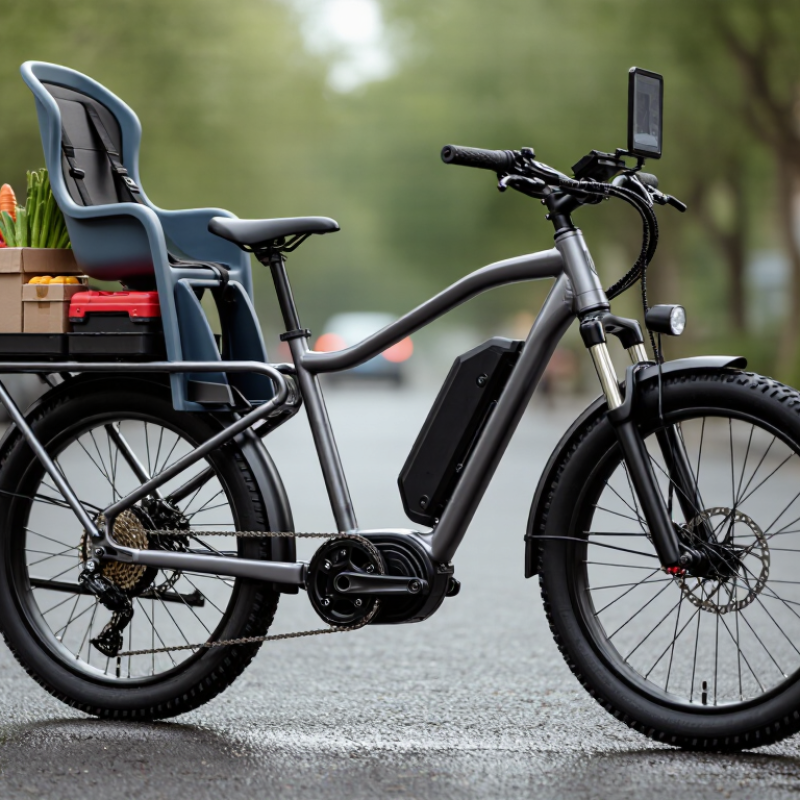
7 Cargo Electric Bike Buying Tips for Buyers

Define Your Cargo Needs and Typical Riding Conditions

Before comparing a cargo electric bike, define what you will actually carry. A child, two grocery bags, or a toolbox creates different demands. Measure bulky items, not just their weight. A narrow box may fit the rated limit but still block your feet or steering. Write down your normal load, its height, and how often you will transport it.

Measure the load.

Then study your usual routes. Flat pavement requires less motor support than steep streets, loose gravel, or uneven paths. Frequent hills can reduce battery range, especially with a full load and cold weather.

Record your daily distance, charging access, parking space, and road surface. A ten-kilometer trip may feel very different with six stops and several steep climbs.

I once underestimated stop-and-go riding; the distance looked easy on paper, but repeated starts consumed more effort than expected.

Test the bike with realistic weight before buying.

Use filled water containers or secure bags, and keep the weight low and centered. Check whether you can start smoothly, turn through a narrow gate, and stop without wobbling.

Pay attention to frame stability, brake response, tire grip, and the space needed for storage. A long rear platform may carry more, but it can be awkward in tight corners.

Weather also matters. Rain, wind, and winter clothing change handling and comfort. Your ideal choice should match ordinary use, not a perfect weekend ride.

Compare Cargo Bike Types, Load Limits, and Frame Designs

7 Cargo Electric Bike Buying Tips for Buyers

Compare Cargo Bike Types, Load Limits, and Frame Designs

Cargo electric bikes usually fall into three useful types: long-tail, front-loader, and tricycle. A long-tail carries children or bags behind the rider and feels familiar in traffic. A front-loader keeps cargo visible, but its extended frame needs more turning space. Tricycles offer stability when parked, though narrow corners can feel awkward. I learned this during a test ride. The empty bike handled easily, but a loaded front box changed the steering noticeably.

Check the total load limit, not only the rear rack rating. This figure normally includes the rider, battery, passengers, and cargo. A 150-kilogram limit may leave little capacity for two adults and groceries. Weigh your regular load at home. Then add a safety margin. It is easy to underestimate wet shopping, tools, or a child’s school bag. Confirm whether the limit applies to the whole bike, each rack, and the seat area.

Frame design affects comfort and control every day. A low-step frame helps frequent stops and makes mounting safer. A long wheelbase improves stability but needs more storage length. Smaller wheels can lower the cargo platform, while larger wheels may roll smoothly over rough roads. Inspect welds, axle spacing, brake size, and steering cables carefully. Ask for the written load guidance and service schedule. Some specifications look impressive, but real handling may still disappoint. A slow, fully loaded test ride reveals more than a showroom glance.

7 Cargo Electric Bike Buying Tips for Buyers

Compare cargo bike types, load limits, and frame designs

The chart shows indicative cargo-payload ranges, excluding the rider, for common electric cargo-bike layouts. Actual limits depend on the frame, wheels, brakes, motor system, and manufacturer certification.

  1. Choose a compact design for light grocery runs and easier storage.
  2. Select a longtail frame when you need passenger space while keeping normal-bike handling.
  3. Consider a front-loader for high-volume cargo, child transport, and a lower center of gravity.
  4. Use a three-wheel design when stationary stability and easy loading are more important than tight cornering.
  5. Check the certified total system weight, because some limits include the rider, passengers, and cargo together.
  6. Compare frame length, wheelbase, step-through access, and turning radius before buying.
  7. Verify brake capacity, tire load ratings, battery range under heavy loads, and available accessories.

Evaluate Motor Power, Battery Range, and Charging Requirements

Choosing a cargo electric bike starts with motor power, not flashy speed claims. A 500-watt motor may handle flat streets well, but heavy loads and steep hills demand stronger torque. Check the rider, cargo, and bike’s combined weight. I once underestimated this figure and noticed slow starts on a mild incline.

Battery range needs practical testing. A larger battery usually supports longer trips, but hills, cold weather, tire pressure, and frequent starts reduce distance. Compare watt-hours, not only advertised miles. Estimate your normal route, then add a 20% cushion. Perfect range claims rarely match daily riding.

Tips: Ask for torque ratings and real-world range data. Confirm the battery’s charging time and replacement process. Use only the supplied charger, inspect cables, and charge in a dry, ventilated place. A removable battery is useful in apartments, but carrying one upstairs becomes tiring. Check whether the battery can be charged safely at your usual destination. Also, leave room for aging; capacity often declines after repeated use. Reliable sellers should provide clear specifications, warranty terms, and safety guidance. If those details seem vague, pause before buying.

7 Cargo Electric Bike Buying Tips for Buyers - Evaluate Motor Power, Battery Range, and Charging Requirements

No. Buying Dimension Practical Data or Benchmark What to Check Why It Matters
1 Motor Power and Torque Common pedal-assist systems use approximately 250–750 W of rated power. Torque is often around 40–90 Nm; higher torque is useful for hills and heavy loads. Compare both continuous or rated power and torque. Confirm that the motor system complies with the laws in your riding area. Power supports speed and sustained output, while torque has a greater effect on starting, climbing, and moving cargo from a stop.
2 Battery Capacity and Usable Range Battery energy is calculated as volts × amp-hours. For example, a 48 V × 15 Ah battery stores about 720 Wh before operating losses. Typical real-world cargo-bike range may be about 25–60 km per charge. Look for the battery voltage, amp-hours, watt-hours, removable design, and the seller’s test conditions. Allow extra capacity for hills, cold weather, payload, and frequent stops. A higher watt-hour rating generally provides more stored energy, but actual range depends on rider weight, cargo weight, terrain, speed, tire pressure, and assist level.
3 Charging Time and Requirements A 500–750 Wh battery commonly takes about 4–8 hours to charge with a standard charger, depending on charger output and battery-management limits. Check input voltage, charger output in amps, charging-temperature limits, indicator lights, cable type, and whether a second charger is available. Charging time affects daily usability. A removable battery is helpful when secure indoor charging is not available near the parking location.
4 Payload and Cargo Capacity Many utility cargo bikes are designed for approximately 100–200 kg of combined rider, passengers, cargo, and accessories. The exact limit is frame-specific. Check the maximum gross vehicle weight, front and rear rack limits, passenger rating, wheel rating, and approved child-seat or cargo accessories. Exceeding any individual component limit can reduce braking, handling, tire life, and frame durability, even when the total load appears acceptable.
5 Brakes, Tires, and Stability Hydraulic disc brakes are generally preferred for heavier loads and frequent hills. Wide tires, a low center of gravity, and a strong kickstand can improve control when loaded. Inspect rotor size, brake lever reach, tire load rating, wheel size, steering limiter, kickstand strength, and whether the bike remains stable during loading. Cargo increases stopping distance and affects balance. Braking and parking equipment should be matched to the intended payload and terrain.
6 Frame Fit, Storage, and Transport Cargo bicycles are often longer and heavier than standard bicycles; many weigh approximately 25–40 kg before accessories and cargo. Measure doorways, elevators, storage areas, turning space, and vehicle-rack compatibility. Check maximum frame height, wheelbase, and total length. A bike that cannot pass through storage or be safely lifted and secured may be impractical regardless of its motor and battery specifications.
7 Maintenance, Safety, and Battery Service Regular checks typically include tire pressure, brake pad wear, chain or belt condition, fastener torque, lights, and battery connections. Lithium-ion batteries should be charged with the supplied compatible charger. Confirm replacement-part availability, battery warranty terms, diagnostic support, charging instructions, water-resistance guidance, and safe battery-storage procedures. Serviceable parts and clear battery procedures reduce downtime and help maintain braking performance, range, and long-term operating safety.

Note: Performance figures are typical planning ranges rather than guarantees. Actual results vary with payload, rider input, terrain, temperature, wind, tire pressure, speed, and assist level.

Check Safety Features, Comfort, Handling, and Storage Options

7 Cargo Electric Bike Buying Tips for Buyers

A cargo electric bike should feel secure before it feels fast. When inspecting one, I check the frame, brake response, tire condition, lights, and reflectors. These basics are easy to overlook in a showroom. Ask for the certified load rating, including the rider, battery, and cargo. A stable kickstand and guarded chain also reduce everyday risks. Test it unloaded. Then add realistic weight, such as groceries or a child seat. Do not rely on a sales specification alone.

Comfort affects control over longer trips. Look for an adjustable saddle, grips that do not pinch, and pedals with solid footing. A low step-through frame helps when the bike is heavy. Check whether the handlebar suits your reach. I once chose a bike with excellent power but poor posture. My wrists hurt after twenty minutes. That mistake changed how I test bikes. Ride over a curb cut and make a slow, tight turn. If steering feels nervous, extra power will not fix it.

Handling depends on wheelbase, weight distribution, and predictable assistance. Try starting on a slight incline, stopping smoothly, and walking the bike backward. The motor should respond gently, not lurch. Storage needs practical inspection. Measure the parking space, doorway, elevator, and charging location. Check rack dimensions, weather protection, child-seat compatibility, and battery removal. Keep heavy items low and centered. Open bins are convenient, but they may need straps or a cover. I prefer organized space to one oversized box. Still, my ideal layout may not suit your routine. Borrow or test the bike for a full errand if possible.

Calculate Total Ownership Costs, Maintenance, and Warranty Coverage

7 Cargo Electric Bike Buying Tips for Buyers

Calculate the complete ownership cost before choosing a cargo electric bike. The sticker price is only the beginning. Add assembly, accessories, electricity, tires, brake pads, servicing, and battery replacement. The U.S. Department of Energy reported lithium-ion battery pack costs near $139 per kWh in 2023, but retail replacement prices include labor and shipping. A 600 Wh battery may therefore cost far more than its raw cell value. That difference is easy to miss.

Track your expected weekly distance. The National Renewable Energy Laboratory uses electricity consumption and charging losses when assessing electric mobility costs. A practical home estimate is simple: battery capacity in kWh multiplied by your local electricity rate. Charging remains inexpensive, though frequent heavy loads accelerate wear. Cargo bikes work hard. Wet roads expose chains, rotors, and connectors to faster deterioration. Schedule inspections every 500 to 1,000 miles. That interval is not universal.

Warranty coverage needs close reading. Check the battery’s coverage period, capacity threshold, charger terms, labor reimbursement, and shipping responsibility. Some policies cover manufacturing defects but exclude water damage, commercial use, or normal capacity loss. Ask for service records and approved repair procedures. The Consumer Product Safety Commission has repeatedly emphasized using compliant micromobility products and chargers, making electrical safety documentation worth verifying. I would also reserve an annual repair budget. My first estimate was too optimistic. Accessories and small adjustments quietly added up.

“Guardian has been a tremendous help in providing storage and distribution solutions for AIR Global. We came to Guardian with a need, and they quickly found a solution for us at a very reasonable price. Our business is very demanding, especially during busy periods, and Guardian has been flexible and able to accommodate all requests with less than 48 hours’ notice. April, our main contact, has been extremely helpful in making sure our orders are shipped on time and that our inventory is accurate. I highly recommend using Guardian and look forward to continuing our relationship for many years to come.”

Matt Buffington
Director of Supply and Operations
Americas

“The Guardian Logistics Team is responsive and helpful on a consistent basis.  This removes a tremendous amount of stress and gives us incentive to route cargo that will touch your dock. Thanks for all that you do!!!”

Charles Reel
Branch Manager
Scan Global Logistics

“I recommend with great confidence, Guardian Logistics Solutions and owner, Brent Smith to whomever needs top shelf deliveries including Last Mile, White Glove, Residential and Commercial.

I have known GLS since its inception. Guardian is always looking for the right answer to solve the customer’s problem. I can, without hesitation, recommend Guardian Logistics to any company that is looking for the best service in their coverage area. They will team with you to create a solution that suits your needs and ensure you are satisfied with the outcome.”

Steven T. Nelson

“I highly recommend Guardian Logistics Solutions. The professionalism and communications offered by the team, along with speediness, cost saving solutions and attitude is a testament to the fact that this is one of the most important partners you can have in the freight movement business.

The company offers exemplary service, they continuously exceed our expectations and that of the importers, they help us service, Guardian Logistics Solutions is the best solid business partner you should add to your company.”

Ubaldo Sierra
Maersk Customs Brokers
General Manager

“Guardian Logistic Solutions is one of those rare companies who under-promise-and-over-deliver EVERY single time!”

James Burke
Manager, Sales Team
OLIMP Warehousing

“I want to thank the team at Guardian for the excellent service we have received.
The shipments have been professionally handled and freight arrives timely and in good order at a fair price. Communication is a very important part of the handling and Guardian does a great job of communication through the delivery.”

Cheri Zetrouer
Access Worldwide
Customs Brokers & Freight Forwarders

“I am very lucky to have found Guardian Logistics to help with our freight needs.  Our business is a bit unique in that we only receive a shipment every 2-3 months and we have to stick to a very strict time schedule in order to unload the delivery.  We found it virtually impossible to consistently coordinate with logistics companies to have shipments arrive on time and when they were expected. After multiple frustrating scenarios, our broker introduced us to Guardian Logistics who handled all of our shipments recently to perfection. Our shipments have arrived on time, when expected, with friendly and helpful drivers.  We will only be using Guardian moving forward for all of our shipping and freight needs. I couldn’t recommend them strongly enough!”

Trey Conrad
Owner
Patriot Power Source

“We have been working with the Guardian company for several years now and I can say without a doubt that their entire team cares about the service they provide. Their personal interest in their customers’ success makes them a standout in the world of final mile delivery.

I highly recommend Guardian for anyone requiring outstanding services in warehousing and final mile delivery programs.”

Frank Ianucilli
Director of Final Mile Operations
Werner Enterprises

“At WeFixFreight.com, client satisfaction is our main priority.  We are proud to partner with the top notch team at Guardian to bring our customers nothing but the best service when it comes to freight reworks, cross docking services, and final mile delivery.”

Bill Carlin
CEO
WeFixFreight.Com

“The Guardian Logistics staff has always been exceptional, and these days, with all the competition out there, it’s the service that matters. We appreciate all they do and look forward to continuing our business with GLS.”

Cathy Avolio
Ocean Import Manager
Mallory Alexander Int'l Logistics (NY), LLC
Back To Top