Skip to content

7 Tips for Buying the Best Electric Rickshaw?

Buying an Electric Rickshaw is not simply a matter of choosing the lowest showroom price. It is a decision about daily income, passenger safety, charging access, and long-term reliability. A vehicle may look polished under bright showroom lights, yet struggle on steep roads with four passengers and cargo. The real test begins outside.

Uday Narang, founder of Omega Seiki Mobility, captures this responsibility clearly: “Electric mobility succeeds when customers receive dependable vehicles, not merely attractive promises.” His point matters because practical ownership involves more than advertised range. Buyers should examine battery capacity, motor performance, payload limits, braking quality, chassis strength, and warranty coverage. They should also ask who will repair the vehicle after six months.

Small details matter. Check the tyre condition. Inspect the wiring. Sit in the driver’s seat. Listen for unusual motor noise during a test drive. Ask for written information about battery replacement costs and charging time. A claimed range of 150 kilometres may fall sharply with heavy loads, traffic, heat, or frequent hill climbs.

This guide, “7 Tips for Buying the Best Electric Rickshaw,” focuses on those real-world checks. It also considers service networks, financing clarity, passenger comfort, and resale potential. No model is perfect. Even reputable brands can have weak dealers in certain regions. That is why careful comparison remains essential.

Look beyond the brochure. Compare evidence, not excitement. A dependable Electric Rickshaw should support your work every day, not create another expensive problem.
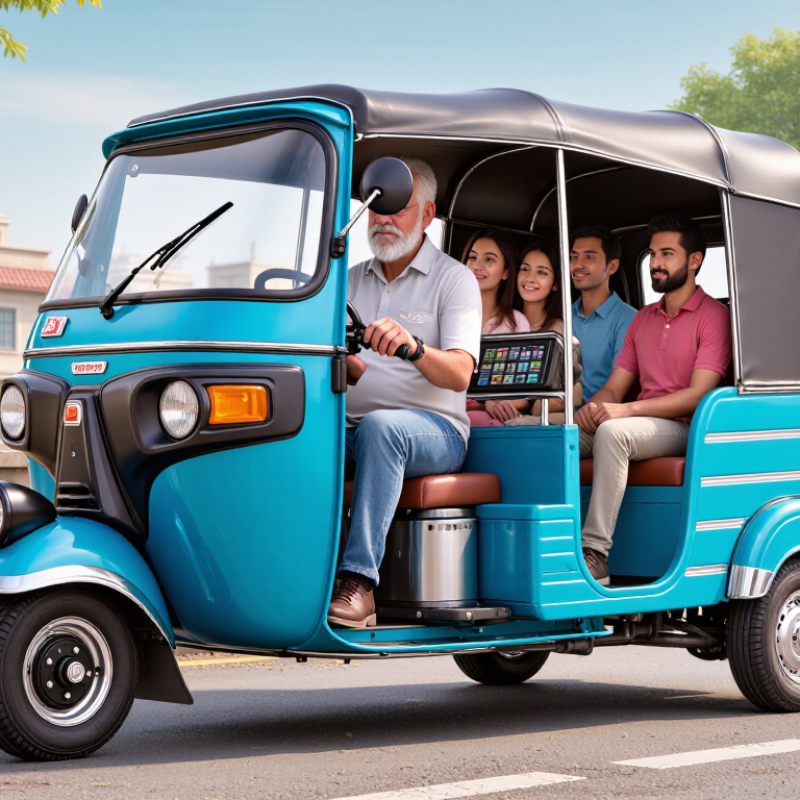
7 Tips for Buying the Best Electric Rickshaw?

Understanding Electric Rickshaw Types and Intended Uses

7 Tips for Buying the Best Electric Rickshaw

Understanding Electric Rickshaw Types and Intended Uses

Choosing an electric rickshaw starts with its job, not its appearance. Passenger models work well for short urban trips and routine shuttle services. Cargo models use stronger frames, wider platforms, and different weight ratings. Enclosed versions offer better protection during rain, dust, and colder mornings.

Tip one: define the daily route. Flat streets, steep lanes, and rough roads demand different motors and suspension systems.

Tip two: check the payload carefully. Count passengers, tools, and cargo together. Overloading can reduce control and shorten component life.

Tip three: compare real operating range, not the advertised maximum. Heavy loads, hills, frequent stops, and cold weather reduce range. Leave a practical reserve.

Tip four: inspect charging access before purchase. A vehicle is less useful if its charger cannot reach your normal parking area.

Tip five: examine the battery warranty, replacement cost, and service availability. Battery details matter.

Safety deserves close attention.

Tip six: test the brakes, lights, mirrors, tires, seat belts, and windshield structure. Test them twice. A quiet motor does not compensate for weak stopping performance. Ask for maintenance records when buying used.

I once focused too much on battery capacity and overlooked poor suspension. That mistake made uneven roads uncomfortable and revealed how easily specifications can distract buyers.

Tip seven: match the cabin and seating layout to real passengers. A compact model may maneuver better, while a larger body may carry more but consume more energy. Confirm the rated motor power, charging time, ground clearance, and permitted road use with reliable documentation. Some sellers explain these details poorly, so verify every figure independently.

Assessing Battery Range, Charging, and Motor Performance

7 Tips for Buying the Best Electric Rickshaw?

Battery range should match your daily route, not an optimistic showroom figure. Check the battery’s usable capacity, rider load, road slope, and weather conditions. A vehicle carrying three passengers uphill may travel far less than its advertised distance. Ask for a written range test under realistic conditions. During inspection, check the battery case for swelling, cracks, loose terminals, or unusual heat. These small details matter. Confirm charging time from a normal power outlet, and ask whether the charger has overheat and overcharge protection. A charging indicator should be easy to read. Also, consider your parking area. A long cable is not a substitute for safe ventilation and dry electrical connections.

Motor performance affects comfort, safety, and operating cost. Test acceleration with a passenger if possible, then listen for grinding, clicking, or sharp electrical noise. The motor should climb a familiar slope without repeated power cuts. Check whether the controller responds smoothly at low speed, especially in crowded streets. Review the rated motor power, continuous output, and maximum load together; one impressive number can mislead. Ask about service records, replacement parts, and battery warranty terms in writing. I would also compare energy use over several trips, because my first estimate was too generous. A short test ride can hide weak hill performance. Leave room for doubt.

Comparing Safety Features, Passenger Capacity, and Comfort

7 Tips for Buying the Best Electric Rickshaw?

Safety should guide every inspection, not just the price. Check the frame for firm welds, stable handling, and balanced weight distribution. Test both brakes on a quiet, level surface. They should respond smoothly without pulling sideways. Look for working headlights, brake lights, turn signals, mirrors, and a clear horn. A covered battery compartment also reduces exposure to water and accidental contact. Ask for documented compliance with applicable local safety standards. Do not rely on appearance alone.

Capacity needs careful measurement. Confirm the rated passenger and load limits in the technical manual. Three narrow seats may feel less practical than two wider seats. Sit inside and check knee room, handholds, entry height, and space for small luggage. Uneven passenger weight can affect steering and braking. Try a short test drive with realistic weight. That detail matters. Sellers may describe maximum capacity, while daily comfort requires a lower number.

Comfort includes more than soft cushions. Examine suspension movement over a small uneven surface. Listen for rattling, harsh impacts, or unusual motor noise. A useful roof should block strong sunlight without trapping hot air. Ventilation openings, washable seat materials, and adequate legroom help during longer trips. Check whether the step becomes slippery when wet. I would also inspect service access and maintenance records. This part is easy to overlook. A comfortable vehicle that is difficult to repair may become an expensive compromise.

7 Tips for Buying the Best Electric Rickshaw

Comparing safety features, passenger capacity, and comfort

How to use this chart: Typical electric rickshaws are commonly configured for three to eight passengers, with payload capacity increasing as the vehicle size grows. Select a model with enough capacity for regular use without exceeding its rated payload.

  1. Check the braking system, parking brake, lights, mirrors, seat belts, and horn.
  2. Confirm the certified passenger capacity and maximum payload.
  3. Compare battery range with your daily route and expected load.
  4. Inspect suspension, tire condition, ground clearance, and frame strength.
  5. Evaluate seat width, roof protection, ventilation, and step height.
  6. Review charging time, battery warranty, and replacement cost.
  7. Test the vehicle with a realistic passenger load before buying.

The chart uses typical non-branded specification ranges commonly published for electric rickshaw configurations. Actual capacity and payload limits vary by vehicle design and local regulations.

Checking Build Quality, Maintenance Needs, and Warranty Coverage

A reliable electric rickshaw starts with careful inspection, not attractive paint.

Check the frame joints, floor panels, roof supports, and door hinges for weak welds or uneven gaps. Press the body panels gently; excessive movement can suggest thin materials. Sit in the driver’s seat and listen for rattles during a short test drive. Solid construction should feel stable on rough streets, not only on smooth showroom floors.

Maintenance needs can determine the real cost of ownership.

Ask how often the brakes, tires, suspension, battery connections, and cooling system require inspection. Look for accessible service points and clearly labeled wiring. A simple dashboard helps drivers notice battery temperature, charging faults, and unusual power loss. Keep written service records. They expose repeated problems more honestly than sales promises.

I once ignored a loose connector because the vehicle still moved. That small mistake caused an avoidable roadside delay.

Warranty coverage deserves careful reading.

Confirm the coverage period for the motor, controller, battery, charger, frame, and major electrical parts. Ask whether labor, transportation, and replacement components are included. Some warranties sound generous but exclude normal battery wear or water-related damage. Request the terms in writing, including claim procedures and service locations. Pay attention to response times. A long warranty is less useful when repairs require unclear paperwork or distant support.

I would also ask what happens if a covered part fails twice; this detail is easy to miss.

Evaluating Total Cost, Seller Reliability, and Legal Requirements

7 Tips for Buying the Best Electric Rickshaw?

The sticker price is only one part of the purchase. Add battery replacement, charging, tires, insurance, permits, maintenance, and financing costs. Ask for a written estimate covering three years. A spreadsheet helps, but it can miss lost income during repairs. Leave room for surprises. Test the rickshaw on slopes, rough roads, and crowded streets. Record energy use after each trip. Advertised range may fall in rain, heavy traffic, or with extra passengers.

Seller reliability deserves equal attention. Request a tax invoice, warranty terms, service schedule, and spare-parts policy. Check whether technicians can repair the motor, controller, brakes, and battery locally. Speak with two recent customers, not only the seller’s references. Inspect the battery casing and charging connector for heat marks or cracks. Read every warranty exclusion. A long warranty means little if transport costs are excluded.

Legal requirements vary by location, so confirm them with the transport authority before paying. Check vehicle classification, registration, insurance, driver licensing, passenger limits, lighting, mirrors, and approved charging practices. Keep copies of all certificates and receipts. Ask whether commercial operation needs an additional permit. Never rely on verbal promises. Regulations can change, and an informal answer may become an expensive mistake.

“Guardian has been a tremendous help in providing storage and distribution solutions for AIR Global. We came to Guardian with a need, and they quickly found a solution for us at a very reasonable price. Our business is very demanding, especially during busy periods, and Guardian has been flexible and able to accommodate all requests with less than 48 hours’ notice. April, our main contact, has been extremely helpful in making sure our orders are shipped on time and that our inventory is accurate. I highly recommend using Guardian and look forward to continuing our relationship for many years to come.”

Matt Buffington
Director of Supply and Operations
Americas

“The Guardian Logistics Team is responsive and helpful on a consistent basis.  This removes a tremendous amount of stress and gives us incentive to route cargo that will touch your dock. Thanks for all that you do!!!”

Charles Reel
Branch Manager
Scan Global Logistics

“I recommend with great confidence, Guardian Logistics Solutions and owner, Brent Smith to whomever needs top shelf deliveries including Last Mile, White Glove, Residential and Commercial.

I have known GLS since its inception. Guardian is always looking for the right answer to solve the customer’s problem. I can, without hesitation, recommend Guardian Logistics to any company that is looking for the best service in their coverage area. They will team with you to create a solution that suits your needs and ensure you are satisfied with the outcome.”

Steven T. Nelson

“I highly recommend Guardian Logistics Solutions. The professionalism and communications offered by the team, along with speediness, cost saving solutions and attitude is a testament to the fact that this is one of the most important partners you can have in the freight movement business.

The company offers exemplary service, they continuously exceed our expectations and that of the importers, they help us service, Guardian Logistics Solutions is the best solid business partner you should add to your company.”

Ubaldo Sierra
Maersk Customs Brokers
General Manager

“Guardian Logistic Solutions is one of those rare companies who under-promise-and-over-deliver EVERY single time!”

James Burke
Manager, Sales Team
OLIMP Warehousing

“I want to thank the team at Guardian for the excellent service we have received.
The shipments have been professionally handled and freight arrives timely and in good order at a fair price. Communication is a very important part of the handling and Guardian does a great job of communication through the delivery.”

Cheri Zetrouer
Access Worldwide
Customs Brokers & Freight Forwarders

“I am very lucky to have found Guardian Logistics to help with our freight needs.  Our business is a bit unique in that we only receive a shipment every 2-3 months and we have to stick to a very strict time schedule in order to unload the delivery.  We found it virtually impossible to consistently coordinate with logistics companies to have shipments arrive on time and when they were expected. After multiple frustrating scenarios, our broker introduced us to Guardian Logistics who handled all of our shipments recently to perfection. Our shipments have arrived on time, when expected, with friendly and helpful drivers.  We will only be using Guardian moving forward for all of our shipping and freight needs. I couldn’t recommend them strongly enough!”

Trey Conrad
Owner
Patriot Power Source

“We have been working with the Guardian company for several years now and I can say without a doubt that their entire team cares about the service they provide. Their personal interest in their customers’ success makes them a standout in the world of final mile delivery.

I highly recommend Guardian for anyone requiring outstanding services in warehousing and final mile delivery programs.”

Frank Ianucilli
Director of Final Mile Operations
Werner Enterprises

“At WeFixFreight.com, client satisfaction is our main priority.  We are proud to partner with the top notch team at Guardian to bring our customers nothing but the best service when it comes to freight reworks, cross docking services, and final mile delivery.”

Bill Carlin
CEO
WeFixFreight.Com

“The Guardian Logistics staff has always been exceptional, and these days, with all the competition out there, it’s the service that matters. We appreciate all they do and look forward to continuing our business with GLS.”

Cathy Avolio
Ocean Import Manager
Mallory Alexander Int'l Logistics (NY), LLC
Back To Top