7 Best Cardboard Sheets for Packaging and Shipping?
Choosing the right Cardboard Sheets can protect products, reduce shipping damage, and control unnecessary packaging costs. However, not every sheet performs equally well. Thickness, fiber quality, surface finish, and moisture resistance can change the result inside a busy warehouse.
This guide reviews seven practical Cardboard Sheets for packaging and shipping. The selection focuses on cushioning, rigidity, cutting convenience, stackability, and overall value. These factors matter when wrapping glass jars, books, electronics, or irregular handmade products. A sheet that feels strong on a worktable may still bend under stacked cartons. That difference deserves attention.
Real packaging decisions are rarely perfect.
We also consider board grades, flute profiles, weight, and common handling conditions. Experienced packers know that oversized sheets waste storage space, while undersized pieces leave vulnerable corners exposed. A clean, tight fit usually provides better protection than simply adding more material. Moisture is another concern. A damp sheet can lose stiffness before the parcel reaches its destination.
The rankings are useful, but they are not absolute. A small online seller may value easy cutting, while a fulfillment center may prioritize consistent sizing. Product weight, carrier handling, climate, and budget can change the best choice. Some recommendations may also need adjustment after real-world testing. A simple drop test and edge inspection can reveal weaknesses that product descriptions hide. This balanced review helps readers compare materials with clearer expectations and choose sheets suited to their actual shipping needs.
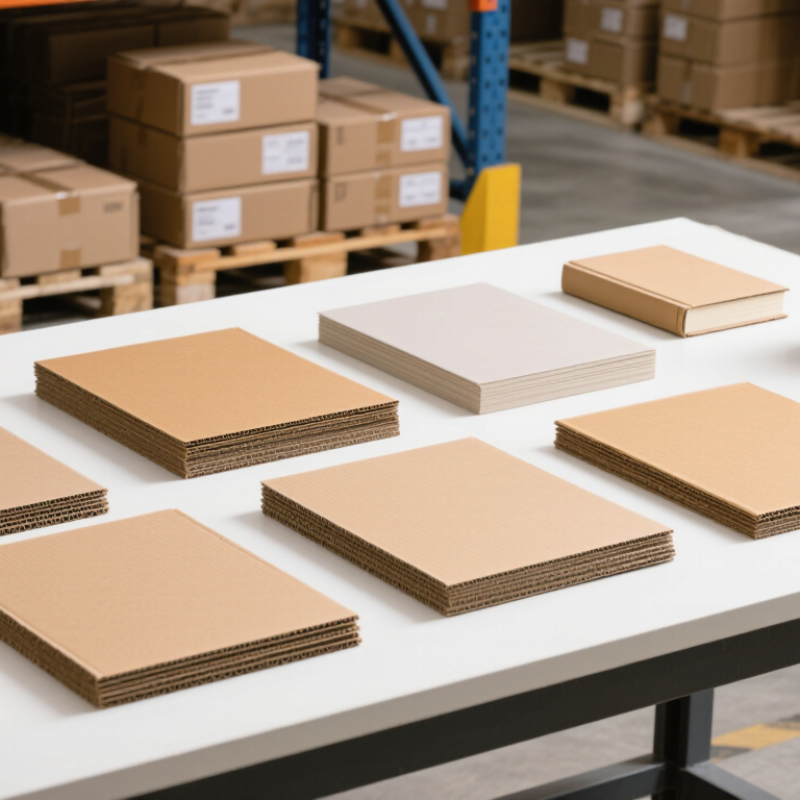
What Makes a Cardboard Sheet Suitable for Packaging and Shipping
A cardboard sheet is suitable for packaging and shipping when it protects the item without adding unnecessary bulk. Start with thickness and stiffness. A sheet should resist bending under the parcel’s expected load, yet still fit neatly around the product. For a framed print, for example, two flat sheets can protect both faces, while a narrow edge strip helps guard the corners. Corners often take the hardest knocks.
Flute structure and paper quality matter, too. Corrugated sheets cushion impacts better than thin, solid board, while solid sheets provide a smooth surface for separating or wrapping flat goods. Check that the board is dry, clean, and free from crushed sections. Even a strong sheet performs poorly if it has been stored in a damp area. Feel the edges. They should not crumble easily.
Match the sheet size to the parcel. Oversized pieces can shift in transit; undersized ones leave vulnerable gaps. A snug fit is better. Consider weight as well: extra layers add protection, but can increase shipping weight without solving the real problem. Test a sample pack by gently pressing the center and checking whether the contents move. This test is useful, though not a substitute for testing under actual handling conditions. We sometimes choose a thicker sheet than needed, then realize it makes folding awkward. The right choice balances cushioning, rigidity, fit, and ease of packing.
Types of Cardboard Sheets Used for Protective Packaging
Cardboard sheets are not interchangeable in protective packaging. Their structure decides how well they absorb impact, resist bending, and separate products. Corrugated sheets are widely used because their fluted inner layer creates cushioning and stiffness. Single-wall sheets suit lightweight parcels. Double-wall sheets provide stronger support for heavier cartons and stacked loads. For fragile edges, folded corrugated pads can create useful corner protection.
Honeycomb cardboard offers high compression strength with relatively low weight. It works well as a floor pad, pallet layer, or spacer between large items. Solid fiberboard is thinner and smoother, making it practical for surface protection, dividers, and wrapping layers. Chipboard sheets are economical for separating flat products, but they offer limited cushioning. They should not carry heavy loads alone.
Material selection should match the product, not just the shipping budget. A glass item may need layered corrugated sheets, soft padding, and firm edge blocks. A metal component may need abrasion-resistant separators. Keep it dry. Moisture weakens paper fibers and can reduce stacking performance. Measure the product carefully, because oversized sheets may shift during handling. Fit matters.
In packaging trials, I have sometimes chosen thicker cardboard than necessary. That improved stiffness but increased material use and made packing slower. A better approach is to test sample packs with drop, compression, and vibration checks. Review the damaged areas afterward. The result may reveal that stronger edges matter more than a thicker center panel. Thickness alone is not proof of protection.
Seven Best Cardboard Sheets for Different Shipping Requirements
7 Best Cardboard Sheets for Packaging and Shipping?
Seven Best Cardboard Sheets for Different Shipping Requirements
Choosing cardboard sheets depends on weight, distance, moisture, and stacking pressure. The U.S. Environmental Protection Agency reported a 95.5% recycling rate for corrugated boxes in 2018. That figure supports fiber-based packaging, but recycled content can reduce stiffness. Test before large-volume use. These are seven practical options for different shipping needs.
Single-wall corrugated sheets suit lightweight parcels and everyday protection. Double-wall sheets handle heavier products and longer delivery routes. Triple-wall sheets support industrial parts with high compression demands.
Corrugated pads separate stacked items inside cartons. Solid fiberboard sheets resist punctures around flat or sharp products. Honeycomb cardboard sheets provide strong cushioning with low material weight.
Chipboard sheets protect documents, books, and small retail items from bending. The International Safe Transit Association recommends performance testing that reflects real handling conditions, including vibration, drops, and compression.
Tips: Match sheet strength to the product, not just its weight. Add moisture-resistant coating for humid storage, but check recyclability. Measure the packed product first. A tight fit reduces movement, although excessive pressure may damage fragile edges. I once preferred thicker sheets automatically; that was inefficient. More material does not always mean better protection. Use a simple trial shipment and inspect crushed corners, surface scuffs, and internal shifting.
How to Compare Strength, Thickness, Size, and Recyclability
7 Best Cardboard Sheets for Packaging and Shipping?
Choosing cardboard sheets starts with the product, not the marketing label. I compare edge crush strength, bending resistance, and surface damage before shipping tests. A single-wall sheet suits books, clothing, and other light items. Double-wall board handles heavier loads and stacked cartons better. Honeycomb sheets offer impressive compression strength, but they may need careful cutting. I once selected a thick board that looked safer, yet it wasted space and increased postage.
Thickness matters, but it does not tell the whole story. Measure caliper with a reliable gauge, then check whether the sheet stays rigid across its full size. Small sheets can remain flat, while large sheets may flex under light pressure. Match the length and width closely to the product. Extra gaps require more cushioning and can let items move during handling. A practical test is simple: place the packed sheet under controlled weight and inspect its corners afterward.
Recyclability also deserves a closer look. Prefer clean, fiber-based cardboard without heavy plastic layers, wax coatings, or excessive tape. Moisture-resistant treatments can improve performance, but they may complicate recycling. Local recycling rules differ, so verify them before making a purchasing claim. Recycled content is valuable, though weak fibers can reduce durability after repeated processing. The best choice balances protection, usable size, and recovery options. No option is perfect. Packaging decisions need evidence from real shipments.
7 Best Cardboard Sheets for Packaging and Shipping
Typical thickness ranges help compare cushioning, rigidity, storage efficiency, and shipping protection. Actual performance varies by grade, flute profile, basis weight, and moisture exposure.
Thicker materials generally provide greater compression and impact protection, while folding boxboard and chipboard are more space-efficient for lightweight products. Corrugated fiberboard, solid paperboard, chipboard, and honeycomb paperboard are widely recyclable where local paper-recycling facilities accept them. Remove plastic films, foam, and heavy contamination before recycling.
Choosing the Right Cardboard Sheet for Your Product and Budget
Choosing the right cardboard sheet depends on your product, shipping distance, and available budget. Single-wall corrugated sheets suit lightweight items, such as books, clothing, and small household goods. Double-wall sheets offer stronger protection for ceramics, tools, and heavier products. Kraft cardboard provides a clean appearance and good folding performance. Recycled cardboard costs less in many markets, but its thickness and strength can vary.
Honeycomb cardboard is useful for filling empty space around large products. It absorbs pressure without adding much weight. Coated cardboard resists light moisture and works well for packaged food containers or bathroom products. Chipboard is the budget-friendly choice for backing cards, dividers, and thin retail items. It is not suitable for heavy shipping by itself.
I usually test a sheet with the actual product inside. Press the corners, shake the package, and measure its final weight. A sheet that feels strong may still collapse under stacked boxes. Moisture also changes performance, especially during warehouse storage. Choosing a thicker board can reduce damage, but it may increase postage costs. I have sometimes selected extra protection and later found the packaging unnecessarily expensive. A small sample test would have prevented that mistake. Ask suppliers for edge crush or bursting strength data when possible. Compare those figures with your product’s weight, shape, and handling risks. The cheapest sheet is rarely the cheapest complete solution.