Skip to content

7 Best Mother Tissue Roll Suppliers for Global Buyers?

Choosing a Mother Tissue Roll supplier is not just a matter of comparing prices. For converters, the right jumbo rolls affect machine performance, finished-product quality, and delivery schedules. A roll that looks suitable on paper may cause problems if its width, ply, brightness, or moisture level does not match production needs.

This guide introduces seven suppliers serving global buyers and highlights practical points for comparing them. Look beyond product descriptions. Ask about available grammages, parent-roll dimensions, fiber composition, sample testing, packaging, and export experience. A reliable supplier should provide clear specifications and respond consistently to technical questions. Small details matter, including how rolls are wrapped against humidity and how shipment dates are communicated.

There is no universal best choice. A large mill may suit buyers needing steady volume, while a regional producer may offer more flexible order quantities. Buyers should verify certifications and claims directly, since documentation and standards can vary by market. Check references where possible. A polished catalog is not proof of dependable service. I would also treat quoted lead times cautiously until production capacity and shipping arrangements are confirmed. Even careful comparisons can miss something; sample testing and clear written specifications remain essential. The suppliers covered here offer a starting point, not a substitute for due diligence.
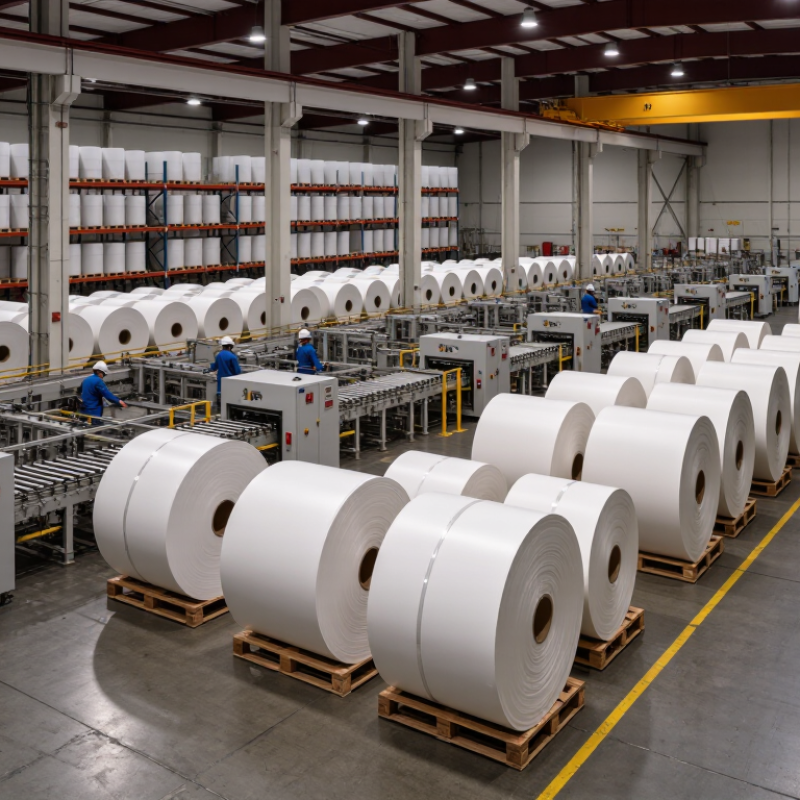
7 Best Mother Tissue Roll Suppliers for Global Buyers?

Understanding Mother Tissue Rolls and Their Role in Paper Converting

Mother tissue rolls are large parent reels that give paper converters the material for finished products such as bathroom tissue, facial tissue, and paper towels. A converter unwinds the reel, adjusts sheet width, embosses or laminates the paper when needed, then rewinds it into smaller rolls or folds it into packs. Small changes matter. Uneven winding can cause web breaks, while inconsistent thickness may affect embossing and the feel of the finished sheet. Operators often watch tension and alignment closely as the paper moves through the line.

For buyers, a useful specification includes basis weight, ply count, reel width, diameter, core size, and winding quality. Strength, softness, and absorbency also need to suit the intended product. A towel roll may need different performance from a delicate facial tissue. Ask for technical data and confirm that reel dimensions match the converting equipment. Then test samples under realistic production conditions. A specification sheet cannot show every issue. Humidity, storage time, and machine settings can change how a reel runs, so even a promising sample may behave differently during a longer production run.

Criteria for Evaluating Global Mother Tissue Roll Suppliers

Global buyers should compare mother tissue rolls by more than price per tonne. Check basis weight, reel width, diameter, core size, moisture, and roll weight against the converting line’s limits. Ask for recent certificates of analysis and batch-level results, not only a polished sample. A sample can hide variation. Request trial reels from different production runs, then record breaks, dust, embossing response, and usable yield. FAO’s 2022 forest-products data put global paper and paperboard production at about 401 million tonnes, a vast supply base where consistent specifications matter.

Supplier evaluation should also cover fibre sourcing, production capacity, lead times, export packing, and shipment records. Ask how the supplier handles moisture protection, edge damage, and claim resolution; inspect packing photos and sample documents. UNCTAD’s Review of Maritime Transport 2023 reported that global container freight rates fell sharply from their pandemic-era peaks, a reminder that freight conditions can change quickly. Compare delivered cost under more than one shipping scenario. Verify mill location and available inventory, and confirm whether quoted capacity is reserved or merely estimated. Audits help, but they do not guarantee every shipment. That part is easy to overlook. Keep a small qualification order before committing to recurring volumes.

7 Best Mother Tissue Roll Suppliers for Global Buyers? - Criteria for Evaluating Global Mother Tissue Roll Suppliers

Evaluation criterion What to assess Evidence to request Practical evaluation method
1. Product specifications and consistency Basis weight, ply, parent-roll width, roll diameter, core diameter, moisture, and agreed quality tolerances. Current technical data sheet, specification sheet, and inspection records for recent production lots. Compare samples and lot records against the same written specification. Confirm how deviations are measured and handled.
2. Paper performance and converting suitability Relevant properties such as tensile strength, bulk, softness, absorbency, and runnability on the buyer’s converting equipment. Test results with stated methods, representative samples, and results from a production-scale converting trial where possible. Test against the intended finished product and equipment. Agree test methods and acceptance limits before comparing offers.
3. Production capacity and supply continuity Available machine capacity, planned maintenance, lead-time reliability, backup arrangements, and ability to support forecast changes. Capacity statement, production and shipment history, lead-time assumptions, and documented continuity or contingency plans. Check capacity against your forecast and order pattern. Validate delivery performance using dated records rather than estimates alone.
4. Quality management and traceability Documented quality controls, batch identification, complaint handling, corrective actions, and traceability from raw material to shipment. Quality-system certificate if applicable, process-control records, sample batch records, and a description of the nonconformance process. Verify certificate scope and validity with the issuing body. Ask the supplier to demonstrate a mock traceability exercise.
5. Fiber sourcing and environmental claims Declared fiber sources, recycled-fiber content where relevant, and substantiation for environmental or chain-of-custody claims. Fiber-source declarations and valid chain-of-custody documentation for any certification or claim being made. Check that certificates cover the relevant site, product, and transaction. Do not treat an unsupported marketing claim as verified evidence.
6. Export logistics and packaging Export experience, roll protection, container loading plan, shipping documents, agreed Incoterms, and damage-claim procedures. Packaging specifications, loading photos or plans, sample shipping documents, and written delivery and claims terms. Review a shipment plan for your destination and confirm responsibility for freight, insurance, customs documentation, and transit damage.
7. Commercial terms and buyer support Transparent pricing basis, minimum order quantities, payment terms, quotation validity, communication, and responsiveness to technical issues. Itemized quotation, written sales terms, sample policy, named technical contact, and documented response or escalation process. Compare total landed cost on the same specification and Incoterm. Record response times and clarify all assumptions before placing an order.

Note: Supplier performance depends on the product specification, destination, order volume, and contract terms. Verify certificates, test results, and delivery claims directly before purchasing.

Profiles of Seven Suppliers Serving International Buyers

International buyers can assess seven common supplier profiles by matching production strengths to order needs. An integrated mill controls pulp preparation and converting, which can support consistent roll dimensions. A regional converter may offer shorter shipping routes and practical communication, but its capacity can be limited. A recycled-fiber specialist can provide clear material specifications; ask how fiber content is documented. Details matter.

A virgin-fiber producer may focus on softness and absorbency for premium applications. A private-label exporter typically offers packaging choices and custom roll formats, though setup requirements can affect lead times. A high-volume supplier may suit distributors placing regular container orders. Request recent production records and confirm that sample specifications match the quotation. A smaller converter can be more flexible with trial quantities, but availability may shift during busy periods.

These profiles are starting points, not guarantees. Compare roll weight, sheet count, core diameter, packaging, and shipment terms on the same basis. Ask for samples and inspect them under normal storage conditions. Request references from buyers in similar markets, where available. No single profile fits every order. Even careful checks leave room for surprises, so record agreed specifications before production begins.

Comparing Product Specifications, Pricing, and Export Capabilities

When comparing seven mother tissue roll suppliers, start with specifications rather than brochure claims. Check basis weight, ply, roll width, diameter, core size, and permitted tolerances. Ask for absorbency and tensile-strength data, plus a sample from a regular production batch. A soft sample can feel impressive, yet converting performance may tell a different story. That matters.

Pricing needs the same careful reading. Compare quotes using matching specifications, order volumes, packaging, and delivery terms. A low price may exclude inner wrapping, palletization, or freight. Confirm minimum order quantities, production lead times, payment schedules, and how rejected or inconsistent batches are handled. I would not treat one attractive quote as the whole cost picture.

Tips: Request a written specification sheet and a sample roll before placing a large order. For export capability, check recent experience with your destination, shipment options, document support, and port handling arrangements. Ask how suppliers protect rolls from moisture during transit, and request estimated loading dates. Small differences in core dimensions or packing can disrupt production. It is easy to overlook them. Compare answers in writing, then reassess any supplier whose details keep changing.

Choosing a Supplier for Reliable Long-Term Sourcing

Reliable mother tissue sourcing depends on more than a low price per tonne. Compare basis weight, roll width, ply structure, brightness, and softness against the needs of your converting lines. Small details matter. A slight width variation can cause trimming waste, while uneven winding may slow production.

Ask suppliers for recent sample rolls and technical data sheets. Check roll diameter, core size, moisture, and edge quality when the samples arrive. Ask for evidence. Request batch inspection records and clear details about production capacity, lead times, and export packaging. A supplier’s stated capacity is useful, but actual delivery history offers better context. Discuss how shortages or quality complaints are handled before placing a large order.

Build a relationship around repeatable checks, not promises alone. Compare samples from different production dates, then record results using the same inspection method. Even a careful checklist can miss a problem if operators use different measuring habits; that is worth reviewing. Agree on acceptable tolerances and how changes to pulp furnish or product specifications will be communicated. Keep a small buffer for demand shifts, but revisit it as order patterns become clearer.

“Guardian has been a tremendous help in providing storage and distribution solutions for AIR Global. We came to Guardian with a need, and they quickly found a solution for us at a very reasonable price. Our business is very demanding, especially during busy periods, and Guardian has been flexible and able to accommodate all requests with less than 48 hours’ notice. April, our main contact, has been extremely helpful in making sure our orders are shipped on time and that our inventory is accurate. I highly recommend using Guardian and look forward to continuing our relationship for many years to come.”

Matt Buffington
Director of Supply and Operations
Americas

“The Guardian Logistics Team is responsive and helpful on a consistent basis.  This removes a tremendous amount of stress and gives us incentive to route cargo that will touch your dock. Thanks for all that you do!!!”

Charles Reel
Branch Manager
Scan Global Logistics

“I recommend with great confidence, Guardian Logistics Solutions and owner, Brent Smith to whomever needs top shelf deliveries including Last Mile, White Glove, Residential and Commercial.

I have known GLS since its inception. Guardian is always looking for the right answer to solve the customer’s problem. I can, without hesitation, recommend Guardian Logistics to any company that is looking for the best service in their coverage area. They will team with you to create a solution that suits your needs and ensure you are satisfied with the outcome.”

Steven T. Nelson

“I highly recommend Guardian Logistics Solutions. The professionalism and communications offered by the team, along with speediness, cost saving solutions and attitude is a testament to the fact that this is one of the most important partners you can have in the freight movement business.

The company offers exemplary service, they continuously exceed our expectations and that of the importers, they help us service, Guardian Logistics Solutions is the best solid business partner you should add to your company.”

Ubaldo Sierra
Maersk Customs Brokers
General Manager

“Guardian Logistic Solutions is one of those rare companies who under-promise-and-over-deliver EVERY single time!”

James Burke
Manager, Sales Team
OLIMP Warehousing

“I want to thank the team at Guardian for the excellent service we have received.
The shipments have been professionally handled and freight arrives timely and in good order at a fair price. Communication is a very important part of the handling and Guardian does a great job of communication through the delivery.”

Cheri Zetrouer
Access Worldwide
Customs Brokers & Freight Forwarders

“I am very lucky to have found Guardian Logistics to help with our freight needs.  Our business is a bit unique in that we only receive a shipment every 2-3 months and we have to stick to a very strict time schedule in order to unload the delivery.  We found it virtually impossible to consistently coordinate with logistics companies to have shipments arrive on time and when they were expected. After multiple frustrating scenarios, our broker introduced us to Guardian Logistics who handled all of our shipments recently to perfection. Our shipments have arrived on time, when expected, with friendly and helpful drivers.  We will only be using Guardian moving forward for all of our shipping and freight needs. I couldn’t recommend them strongly enough!”

Trey Conrad
Owner
Patriot Power Source

“We have been working with the Guardian company for several years now and I can say without a doubt that their entire team cares about the service they provide. Their personal interest in their customers’ success makes them a standout in the world of final mile delivery.

I highly recommend Guardian for anyone requiring outstanding services in warehousing and final mile delivery programs.”

Frank Ianucilli
Director of Final Mile Operations
Werner Enterprises

“At WeFixFreight.com, client satisfaction is our main priority.  We are proud to partner with the top notch team at Guardian to bring our customers nothing but the best service when it comes to freight reworks, cross docking services, and final mile delivery.”

Bill Carlin
CEO
WeFixFreight.Com

“The Guardian Logistics staff has always been exceptional, and these days, with all the competition out there, it’s the service that matters. We appreciate all they do and look forward to continuing our business with GLS.”

Cathy Avolio
Ocean Import Manager
Mallory Alexander Int'l Logistics (NY), LLC
Back To Top