Why Choose a Physiotherapy Electric Machine for Your Clinic?
A Physiotherapy Electric Machine can add useful options to a clinic, but it should never make clinical decisions on its own. The right equipment supports a therapist’s assessment, treatment plan, and follow-up. It does not replace them. Pain researcher and physiotherapist Professor Lorimer Moseley is known for the concise statement, “Pain is a conscious experience.” That perspective is a helpful reminder: a device setting cannot explain a patient’s full experience or determine what care they need.
In practical terms, a well-chosen machine should fit the patients you actually see. Consider the treatment types offered, the controls therapists can use confidently, and the space around the treatment couch. Can staff clean the contact surfaces between appointments? Are the instructions clear during a busy afternoon? These small details matter. So does training. A feature-rich machine may look impressive, yet unused functions add little value.
Clinics should also check maintenance arrangements, warranty terms, and the availability of technical support before buying. Compare specifications with your service needs, and verify claims against credible clinical guidance rather than relying on sales language alone. Evidence for a particular modality can vary by condition and patient. That deserves honest discussion. A device may help deliver a chosen intervention, but outcomes still depend on assessment, communication, and ongoing review. Not every purchase will be the right one. With careful selection, a Physiotherapy Electric Machine can be a practical addition to a thoughtful, patient-centred clinic.
What Is a Physiotherapy Electric Machine?
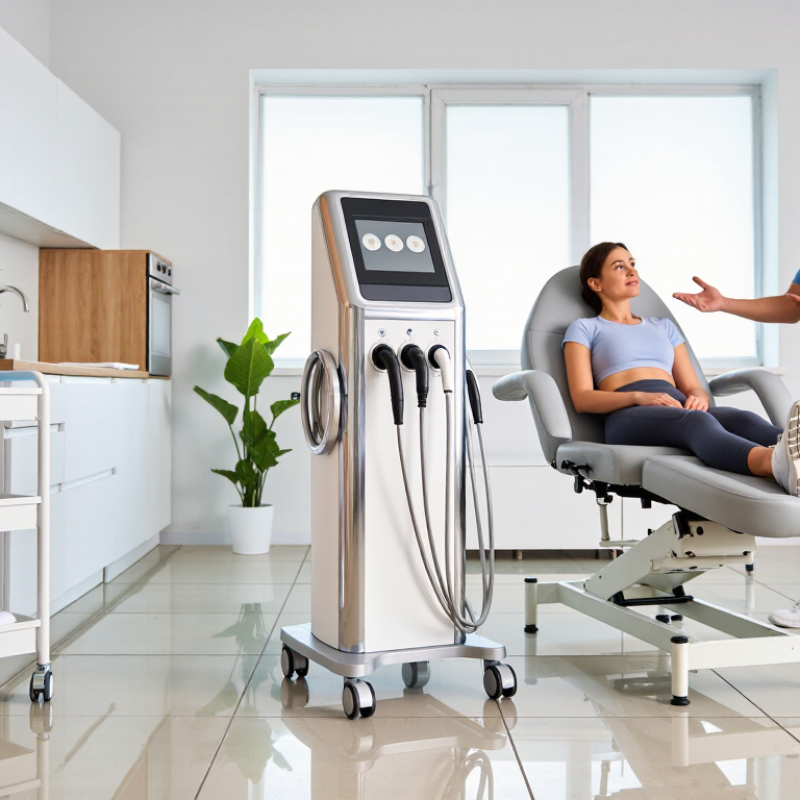
A physiotherapy electric machine is a clinical device that delivers controlled electrical pulses through electrodes placed on the skin. The term covers several types of equipment, including devices used for sensory stimulation or to encourage muscle contractions. They are not all the same. Their purpose depends on the device, the treatment plan, and the patient’s needs.
In a clinic, a physiotherapist may place adhesive electrodes near a treatment area and adjust the current, pulse pattern, and session length. The sensation is often described as tingling or a gentle muscle movement, but it should remain tolerable. Clear communication matters. A patient’s feedback can help the clinician adjust the settings, while observation helps assess the response. The machine supports treatment; it does not diagnose an injury or replace hands-on assessment.
Suitability requires care. A clinician should review the patient’s condition, skin, sensation, and relevant medical devices before treatment. The treatment area and device instructions matter too. Results can vary, and a machine that seems simple still needs thoughtful use. It is not magic. Keeping a record of settings and patient response can make follow-up sessions more consistent, though real clinic routines are not always perfectly tidy.
How Does It Work in Rehabilitation?
A physiotherapy electric machine supports rehabilitation by delivering controlled electrical pulses through skin electrodes. In neuromuscular electrical stimulation, pulses activate motor nerves and produce muscle contractions. Transcutaneous electrical nerve stimulation, or TENS, is commonly used to help manage pain; it does not rebuild strength by itself. The therapist selects the mode, intensity, electrode position, and session length for the patient’s goals. Small changes matter.
In practice, a patient might sit with electrodes around a weak quadriceps while practising a gentle knee extension. Stimulation can help a muscle engage when pain, swelling, or reduced activation makes exercise difficult. It usually works best alongside active movement, progressive strengthening, and task-specific practice. The World Health Organization estimates that 2.4 billion people worldwide live with conditions that may benefit from rehabilitation. This figure describes need, not proof that a particular machine improves outcomes.
A visible contraction can look like progress, but appearance alone is not recovery. The therapist should track function, comfort, and the patient’s ability to repeat meaningful tasks. Settings may need adjustment as symptoms change. Treatment should feel tolerable, not alarming, and the device should be used only after appropriate screening. A machine can support the work; it cannot replace clinical judgement or the patient’s effort.
Why Choose a Physiotherapy Electric Machine for Your Clinic?
How does it work in rehabilitation? Electrical stimulation can activate sensory nerves to help modulate pain or motor nerves to produce muscle contractions. The chart compares typical frequency ranges; treatment settings should be selected by a qualified clinician for each patient and device.
Frequency is measured in pulses per second (Hz). These are common reference ranges, not prescribed settings or a measure of treatment effectiveness.
Which Treatments and Patient Needs Can It Support?
Why Choose a Physiotherapy Electric Machine for Your Clinic?
Which Treatments and Patient Needs Can It Support?
A physiotherapy electric machine may support pain management and muscle re-education when selected for a clear clinical goal. Depending on its functions, it can deliver electrical stimulation to help activate weak muscles or provide sensory input that may ease some patients’ discomfort. It does not diagnose an injury or replace exercise, hands-on care, or a clinician’s assessment. Small details matter.
For a patient recovering from surgery, a therapist might use muscle stimulation alongside carefully graded movement. Someone with persistent pain may respond better to a different setting, or may not find electrical treatment useful at all. Not every patient responds. The therapist should explain the intended sensation, check skin condition, and adjust intensity gradually rather than chasing a strong feeling.
These devices can suit clinics treating varied mobility and strength needs, but screening is essential. Implanted electronic devices, reduced sensation, or certain medical conditions may affect whether treatment is appropriate. Follow device instructions and local clinical guidance, and document settings and patient feedback. In practice, a neat preset is tempting; individual responses are messier. Regular review helps determine whether the treatment is contributing to functional progress.
What Benefits Can It Offer a Clinic?
Why Choose a Physiotherapy Electric Machine for Your Clinic?
A physiotherapy electric machine can give clinicians adjustable, repeatable treatment settings within a structured care plan. For example, a therapist can select stimulation parameters, check electrode placement, and observe a patient’s response during a session. This can support consistent workflows. Small details count.
The World Health Organization’s 2023 rehabilitation fact sheet estimates that 2.4 billion people worldwide live with conditions that may benefit from rehabilitation. That figure signals broad need, not guaranteed demand for any one clinic or device. For a clinic, an electric therapy unit may add another option for selected patients, while freeing staff to plan follow-up exercises and monitor progress. It should complement—not replace—assessment and active rehabilitation.
There are limits. A machine cannot identify why a patient hurts, and settings that feel comfortable may not suit every condition. Clinicians need training, clear screening procedures, and routine equipment checks. Treatment records should note settings and patient response, not just session time. Still, evidence for electrical modalities varies by condition and outcome. That deserves honest review. A purchase makes most sense when the clinic can explain its intended use, assess results, and maintain the device safely.
What Should Clinics Consider Before Choosing a Machine?
Why Choose a Physiotherapy Electric Machine for Your Clinic?
What Should Clinics Consider Before Choosing a Machine?
A machine earns its floor space only when it fits your patients and daily workflow. The World Health Organization’s 2023 Rehabilitation fact sheet estimates that 2.4 billion people worldwide could benefit from rehabilitation. That figure points to varied needs, not a reason to buy every modality. Review your caseload: post-operative recovery, chronic pain, or strength retraining? Check intended uses, adjustable settings, contraindications, and whether therapists can monitor treatment comfortably. Small details matter. Can settings be changed without leaving the patient?
Test the machine in the actual treatment room. Check its footprint, cleaning requirements, setup time, staff training needs, and service support. The U.S. Bureau of Labor Statistics projects 14% growth in physical therapist employment from 2023 to 2033. This is a workforce forecast, not proof that a clinic needs more equipment; it does make appointment flow worth examining. Will the device shorten a recurring bottleneck, or add another step?
Compare total ownership costs, including installation, maintenance, consumables, and downtime. Ask for clinical evidence relevant to the treatment you plan to provide, rather than relying on broad claims. I would still expect some uncertainty: published evidence may not match every patient or clinic. A careful trial with clear outcome measures can reveal what a brochure cannot.
