How to Choose the Best Inflatable Float Tube?
Choosing the right Inflatable Float Tube starts with where and how you plan to use it. A calm pond, a sheltered bay, and a windy open lake place different demands on a float. Think about the water, your usual gear, and how far you may need to carry the tube before comparing styles.
Fit matters more than a flashy shape. Check the recommended load capacity, then account for your body weight, clothing, tackle, and other equipment. A high weight rating can look reassuring, yet it says little about how a fully loaded tube handles wind. Small details matter. Look for durable fabric, reinforced seams, secure valves, and clearly stated dimensions. A stable seat and useful back support can make longer outings more comfortable, though comfort depends on your body and posture.
Also consider practical features you can inspect or verify: storage pockets, rod holders, carry handles, and a repair kit. Check whether the tube inflates with a hand pump or requires a compatible valve adapter. Read the manufacturer’s instructions and care guidance; product materials and limits vary. Visibility features may help others spot you, but they do not replace careful planning or suitable safety equipment. There is no single best model for every angler. It is easy to focus on price or accessories and overlook packed size, setup time, or the feel of the seat. Compare those everyday trade-offs before buying, and choose a tube that suits your conditions rather than one that merely looks impressive.
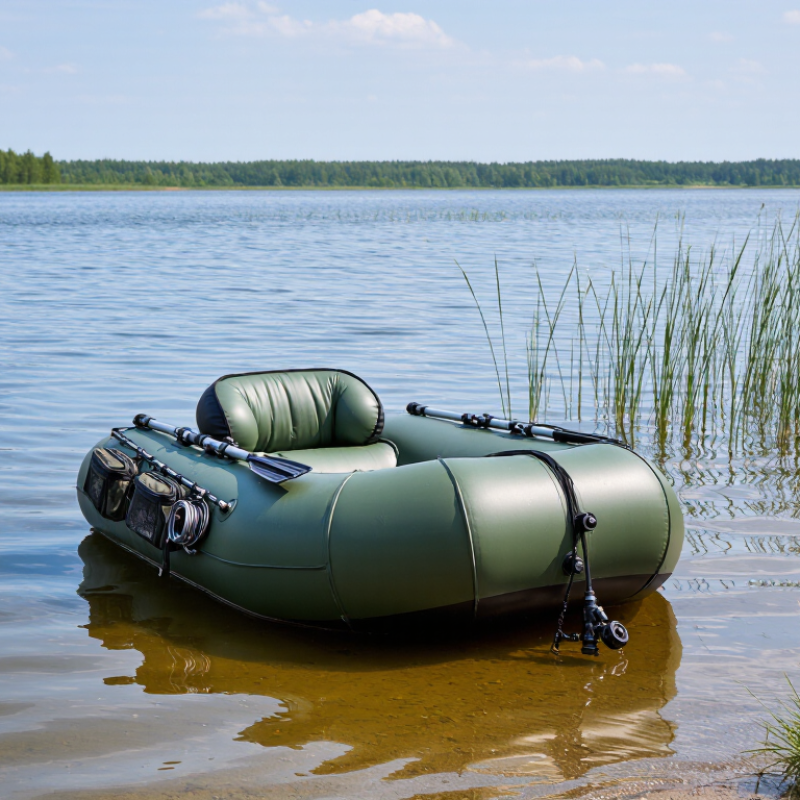
Understand Your Intended Use and Water Conditions
Before choosing an inflatable float tube, picture a typical day on the water. A sheltered pond for relaxed floating calls for different features than a lake where you plan to fish and carry gear. Check the tube’s rated capacity, including your body weight and everything you bring. Room for a tackle box sounds useful, but bulky gear can make boarding awkward. Small details matter. Look for a seat that supports your back and leaves enough space to move your legs.
Water conditions should shape your choice, too. On a breezy lake, wind can push a lightweight tube away from shore surprisingly fast. A broad shape may feel steadier, but stability does not make a tube suitable for every setting. Check whether its design is intended for calm water or more exposed conditions, and follow the maker’s guidance. Rocky shorelines can scrape the material, while cold water makes a quick return to land more important. It is easy to focus on comfort and overlook launch points. Inspect seams and valves before use, inflate the tube as directed, and wear a properly fitted life jacket.
Choose the Right Size, Shape, and Weight Capacity
How to Choose the Best Inflatable Float Tube?
Choose the Right Size, Shape, and Weight Capacity
A float tube should fit your body and fishing kit, not just your car trunk. Check its rated capacity against your body weight, clothing, tackle, water, and accessories. Leave some room below the maximum; gear can shift, and wet clothing adds weight. Wider designs may feel steadier, while compact shapes can turn more easily in tight coves. Shape also affects leg clearance, fin movement, and your reach to a landing net. If possible, try a similar model before buying. Dimensions on a page can be misleading.
Capacity is not a substitute for a personal flotation device. The U.S. Coast Guard’s 2023 Recreational Boating Statistics report says 75% of fatal boating-accident victims drowned. The report covers boating broadly, not float tubes specifically, but its safety message still applies. Wear a properly fitted life jacket. If a tube feels cramped, reconsider it—even when its capacity rating seems sufficient.
Tips: Measure your hips and compare them with the seat width and leg openings. Weigh your complete load before choosing. Check whether the capacity includes gear, then inspect seams and valves before each outing. Small checks help. Don’t guess.
How to Choose the Best Inflatable Float Tube: Size, Shape, and Weight Capacity | Type | Typical Outer Size | Shape and Stability | Typical Weight Capacity | Best For | What to Consider |
| Compact U-shaped tube | About 36–42 in. wide | Open front with a rounded back; easy to maneuver, with less room for gear. | About 200–275 lb | Smaller adults, calm water, and anglers who pack light. | Check that the seat and leg openings fit comfortably. Allow room in the capacity for clothing and equipment. |
| Standard U-shaped tube | About 42–48 in. wide | Rounded design with a balance of maneuverability and support. | About 275–350 lb | General-purpose fishing on ponds and sheltered lakes. | A practical choice for many users; compare usable seating space as well as the advertised outer dimensions. |
| Large U-shaped tube | About 48–54 in. wide | Wider body provides more space and can feel more stable, but may be slower to turn. | About 350–450 lb | Taller users, colder-weather clothing, or anglers carrying extra gear. | Confirm the inflated size fits your vehicle and storage area. A larger tube can be heavier and harder to transport. |
| Pontoon-style float tube | About 45–60 in. overall width | Two separate side pontoons with a seat between them; often tracks well and offers a raised seating position. | About 250–400 lb | Anglers who prioritize seating comfort, directional control, and gear space. | Check the frame, inflation requirements, packed size, and whether the design suits your intended water conditions. |
| Tandem or multi-person inflatable | About 8–12 ft long | Longer hull with more interior space; handling and stability depend on the hull design and how the load is distributed. | About 400–600 lb total | Two users or users carrying substantial shared equipment. | Capacity is shared by occupants and gear. Check seating positions, passenger limits, and the manufacturer’s loading instructions. |
| Choosing the right capacity: Add the weight of every occupant, clothing, and equipment, then select a tube with capacity comfortably above that total. Capacity ranges are approximate examples, not specifications for a particular product; always follow the manufacturer’s stated limits. Wear a properly fitted personal flotation device and use the tube only in conditions suited to its design. |
Compare Materials, Seams, and Inflation Systems
A float tube’s fabric is only part of the decision. Check whether its coated polyester or nylon feels evenly finished, with no thin patches or peeling at folds. Textile Exchange’s Materials Market Report 2024 says polyester made up 57% of global fiber production in 2023. That figure describes fiber supply, not float-tube durability, so it should not be treated as a quality score. Look for published coated-fabric test results; ASTM D751 includes methods for evaluating properties such as tear resistance and water resistance.
Small details matter.
Inspect the seams closely. Welded seams can avoid needle holes, while stitched seams need sound sealing and consistent stitching. Press gently around corners and seat attachments, where stress tends to gather.
Check the seams. A neat surface can still hide weak bonding, so ask how seams are tested rather than judging appearance alone.
Compare valves by how easily they connect to your pump and hold pressure. A wide-opening valve may speed inflation, while a smaller valve can be easier to protect from snags. Multiple air chambers can help limit the effect of one leak, but only if each chamber inflates and closes properly. Follow the stated pressure range, and use a gauge when available; firmness by hand is an imperfect measure.
It is easy to focus on fast setup and overlook whether the valve cap stays secure after repeated use.
Check Safety Features and On-Water Stability
A float tube should feel stable before you paddle far from shore. Check the stated weight limit, number of air chambers, and valve design. Separate chambers can help preserve some buoyancy if one section loses air, but they do not make a damaged tube safe. Inspect seams and valves for cracks, soft spots, or escaping air before each outing. Small leaks can be hard to spot.
Wear a properly fitted personal flotation device, and keep its straps snug. Test the tube in shallow, calm water first. Sit centered, then shift gently from side to side and notice how quickly it rocks or settles. A wide base may feel steadier, but seat height, your position, and wind can change the balance. Keep heavier gear low and secured; loose items can slide when you turn. Check the maker’s instructions for inflation pressure and capacity rather than guessing by feel. It is easy to mistake a firm surface for a fully safe setup. Even a stable tube can tip in waves or strong currents, so conditions matter as much as the design.
Evaluate Portability, Setup, and Maintenance Needs
How to Choose the Best Inflatable Float Tube?
An inflatable float tube should fit your trip, not just look comfortable in a product photo. The Outdoor Foundation’s 2024 Outdoor Participation Trends Report estimated that 175.8 million Americans participated in outdoor recreation in 2023. For many outings, gear that is easy to carry and care for can make getting outside simpler. Still, lighter materials may feel less sturdy, so check the tube’s stated weight capacity and construction details.
Evaluate portability by checking packed weight and dimensions, then picture carrying the tube from your car to the water. A compact bag helps, but straps should feel comfortable over a short walk. For setup, look for accessible valves and clear inflation instructions. A compatible pump and pressure gauge can help prevent under- or overinflation; follow the maker’s guidance. Small details matter. After use, rinse off sand and debris, dry the tube fully, and inspect seams and valves for leaks. I once assumed a quick wipe was enough; damp folds can linger longer than expected.
Tips: Before buying, practice packing the tube into its carry bag. Check whether it fits your storage space, and keep a repair patch handy. Convenience has trade-offs, and the easiest tube to carry may not be the most comfortable for every outing.
How to Choose the Best Inflatable Float Tube? — Evaluate Portability, Setup, and Maintenance Needs
Compare typical setup-time estimates for common float-tube preparation tasks. Actual times vary with tube size, pump capacity, and experience; use them as planning estimates, not guaranteed product specifications.
Choosing tip: For portability, compare packed size and carry weight. For easier setup, check pump compatibility and valve type. Before each outing, inspect the tube, seams, and valves; after use, rinse off salt or dirt and let it dry fully before storage.
