What is a Drone Detector and How Does It Work?
In recent years, the rise of drone technology has sparked both excitement and concern. drone detectors have emerged as essential devices to address issues related to unauthorized drone activities. These detectors play a crucial role in ensuring safety and security, particularly in sensitive areas such as airports, military bases, and private events.
A drone detector functions by using advanced sensors to identify and track drone signals. This technology can differentiate between various drone types and provide real-time alerts. However, the effectiveness of drone detectors can depend on several factors, such as the environment and potential interference. Developers strive to enhance detection capabilities, yet no system is flawless.
While drone detectors are gaining traction, their implementation raises significant questions. How reliable are current technologies? Are they capable of adapting to rapidly evolving drone technologies? As the demand for safety grows, so does the need for further research and development in this field. Therefore, understanding drone detectors is vital for anyone involved in security and technology.
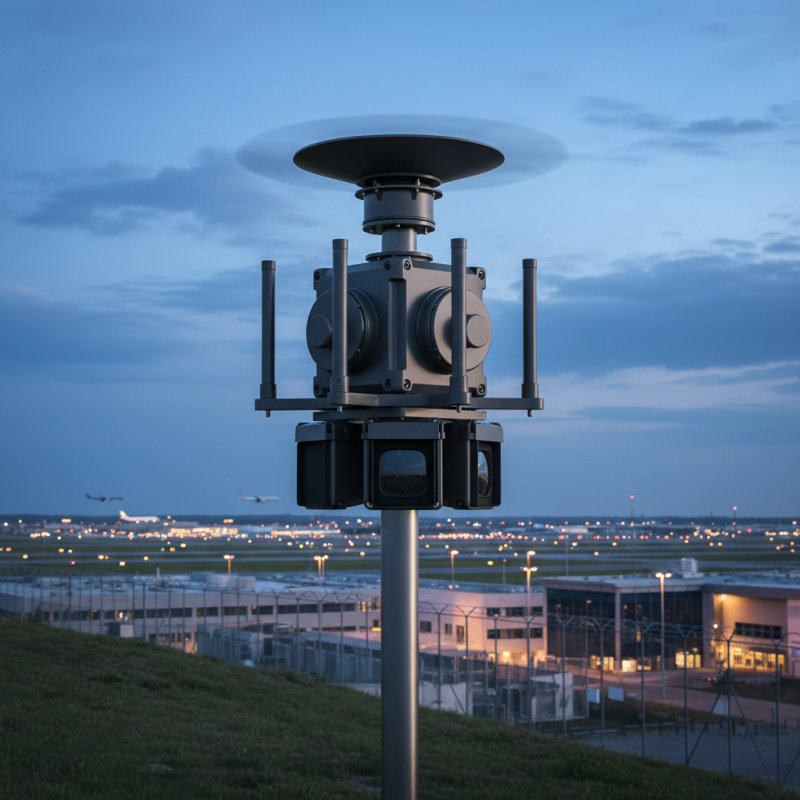
What is a Drone Detector? An Overview of Its Definition and Purpose
A drone detector is an innovative tool designed to identify and monitor drone activities in a specific area. These devices utilize a combination of radio frequency analysis, visual detection, and advanced software algorithms. Their primary purpose is to enhance security in sensitive locations, such as military bases, airports, and public events. By providing real-time information, drone detectors help authorities manage potential threats posed by unauthorized drone flights.
The effectiveness of drone detectors relies on their ability to analyze various signals transmitted by drones. Many systems can differentiate between commercial and recreational drones. Some detectors may struggle in complex environments, such as urban areas with numerous electronic signals. Nonetheless, the growing demand for security solutions has advanced the technology significantly. Users should be aware that while drone detectors can improve safety protocols, they may sometimes produce false positives or negatives. This necessitates continuous evaluation and adjustments to their systems to maintain reliability and accuracy.
Drone Detection Capabilities by Technology
Types of Drone Detection Technologies: Radar, RF, and Optical Methods
Drone detection technologies have evolved to address the growing concerns around airspace security. The primary methods include radar, radio frequency (RF), and optical systems. Each offers unique advantages and challenges.
Radar systems provide a reliable way to detect drones. They can operate in various weather conditions and cover large areas. However, they may struggle with cluttered environments, leading to false positives. In 2021, data indicated that radar systems account for about 35% of the drone detection market. This showcases their widespread reliance despite limitations.
RF detection technologies focus on intercepting communications between a drone and its operator. This method allows for identifying drone types and assessing threats. Nevertheless, RF detection can be thwarted when drones operate autonomously or use encrypted signals. According to industry reports, RF systems represent 45% of the market share but struggle against advanced drone technologies.
Optical methods, utilizing cameras and thermal imaging, can enhance detection accuracy. These systems excel in recognizing visuals and tracking drones in real-time. Still, they face challenges with low-light conditions and extensive ranges. Many security experts emphasize integrating multiple methodologies to improve drone detection effectiveness and reliability in various settings.
How Drone Detectors Identify UAVs: Technical Mechanisms Explained
Drone detectors are specialized devices designed to identify and track Unmanned Aerial Vehicles (UAVs). They employ a combination of radio frequency (RF) detection, radar systems, and, in some cases, optical sensors to locate drones. According to a 2022 market study, the global drone detection market is projected to reach $3 billion by 2025, driven by increasing security concerns and the rise in drone usage.
The technical mechanisms behind drone detection can be intricate. RF detectors listen for unique signals emitted by drones during operation. These signals can reveal the drone's presence and location. Radar systems, on the other hand, detect the physical presence of UAVs in a designated airspace. Optical sensors use cameras to visually confirm drone activity. Each system offers its advantages, but they can also face limitations, such as interference from environmental factors.
Tips: Regular calibration and updates of detection systems are paramount. This ensures accuracy and reliability in drone identification. Understand that no system is infallible. False positives can occur, and environmental factors can hinder detection reliability. Users should continuously monitor and adapt their strategies. Ongoing training and awareness can enhance efficacy in different scenarios.
What is a Drone Detector and How Does It Work?
| Detection Method | Range (meters) | Accuracy (%) | Interference Resistance | Power Supply |
| Radio Frequency (RF) Detection | 1000 | 90 | Moderate | Battery-operated |
| Acoustic Detection | 500 | 85 | High | AC Mains |
| Camera-based Detection | 300 | 92 | Low | Battery-operated |
| Radar Detection | 2000 | 95 | Very High | AC Mains |
| Lidar Detection | 800 | 91 | Moderate | Battery-operated |
Applications of Drone Detectors in Security, Military, and Commercial Sectors
Drone detectors are increasingly vital in various sectors, providing crucial security measures against unauthorized drone activity. In military applications, drone detection systems help identify adversary threats. A 2022 report by the Defense Security Agency highlighted that 75% of defense organizations are investing in drone detection solutions. This shift underscores the need for robust surveillance systems, given the rise in drone usage for surveillance and attacks.
In commercial settings, drone detectors are becoming essential for protecting privacy. Airports and large venues are now deploying these technologies as part of their security infrastructure. According to a 2023 market analysis by the Drone Security Institute, the demand for commercial drone detection systems is expected to grow by 35% annually. This rapid growth reflects heightened awareness of security risks posed by drones.
Tips: Regular training is crucial for personnel operating drone detection systems. Keeping up with the latest technology can significantly enhance detection accuracy. Always assess the detection range, as many systems may not cover all necessary areas, leaving blind spots vulnerable.
Industry Standards and Regulations Governing Drone Detection Systems
When discussing drone detection systems, it's crucial to understand the industry standards and regulations that shape this technology. These standards ensure that drone detectors are effective, reliable, and compliant with legal frameworks. A well-defined set of guidelines helps manufacturers create systems that protect sensitive areas without invading privacy.
Regulatory bodies have developed frameworks to address safety and security concerns. These frameworks often specify detection ranges, localization accuracy, and response protocols. Companies must regularly update their systems to align with evolving regulations. This adaptability is vital in maintaining legitimacy and trust in drone detection solutions.
Tip: Always stay updated on local regulations regarding drone detection. Compliance helps avoid penalties and enhances system effectiveness.
Investing in quality training for personnel who operate these systems is key. Understanding the technology and regulations is essential for efficient use. Some personnel might struggle with the technical aspects, highlighting a need for continuous education.
Tip: Conduct regular training sessions to keep skills sharp. This ensures a better understanding of systems and adherence to standards.