How to Choose the Best Agriculture Drone for Your Farm
Choosing the best Agriculture Drone is no longer a simple equipment purchase. It is a field-management decision. A suitable model must match crop type, acreage, terrain, weather, and operator skill. A six-liter sprayer may suit small vegetable plots. It may become inefficient across hundreds of hectares.
Industry forecasts show strong momentum. MarketsandMarkets estimates that the agriculture drone market could grow from about USD 1.5 billion in 2023 to USD 3.6 billion by 2028. Grand View Research reports a different market size and projects a 25.6% compound annual growth rate through 2030. The difference matters. These reports use different definitions, regions, and product categories. Forecasts are not farm results.
Dr. John Fulton, a precision-agriculture specialist at Ohio State University, offers a useful principle: “The value of a drone is in the information it delivers, not in the aircraft itself.” That idea should guide every comparison. Look beyond camera resolution and advertised flight time. Examine battery replacement costs, spare-part access, terrain-following performance, mapping accuracy, software compatibility, and local technical support. A bright screen cannot repair weak data.
Real experience exposes the overlooked details. Dust can enter connectors. Wind can reduce spray consistency. Dense crops can block signals and hide stressed plants. Farmers should test one field before expanding. They should also compare drone data with scouting notes, weather records, and yield maps. No single aircraft is perfect. The best Agriculture Drone is the one that produces reliable decisions, manageable operating costs, and useful results under actual farm conditions.
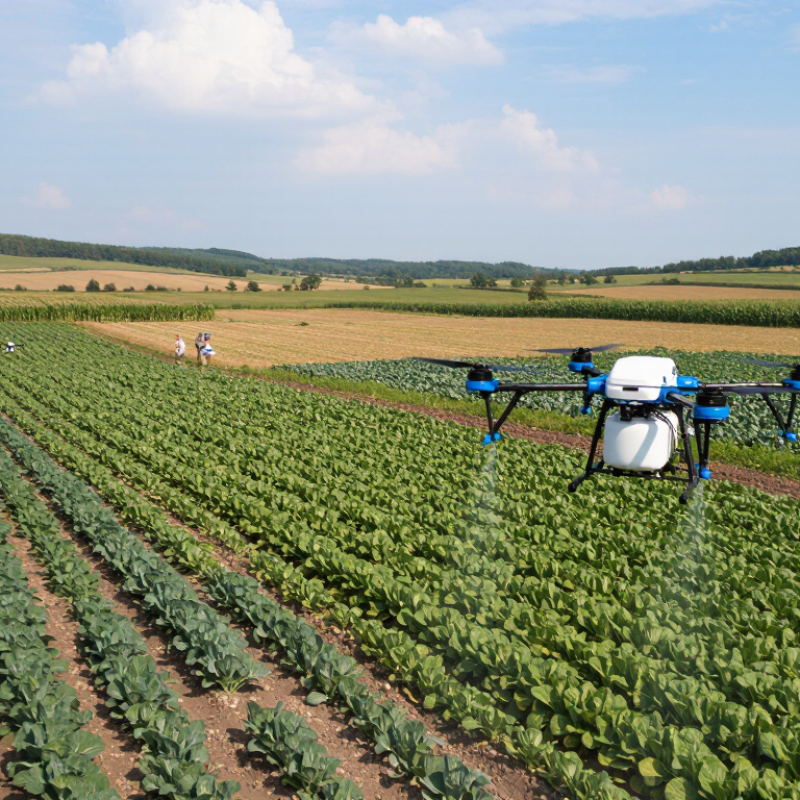
Define Your Farm’s Agricultural Drone Requirements
Define Your Farm’s Agricultural Drone Requirements
Choosing an agricultural drone starts with the field, not the aircraft. Record your acreage, crop height, terrain, slopes, irrigation layout, and seasonal workload. The 2022 USDA Census of Agriculture reported an average U.S. farm size of 463 acres. That scale can make battery planning and flight efficiency decisive. Small, irregular plots may need precise imaging, while broad fields may require longer endurance and faster coverage.
Measure the job carefully. Do you need scouting images, multispectral data, mapping, or targeted application? Each task demands different sensors, payload capacity, and flight stability. A 2024 MarketsandMarkets report projects the agricultural drone market will grow from about $2.9 billion to $5.7 billion by 2029. Growth is impressive, but market momentum should not replace field testing. Ask whether the data will improve irrigation checks, detect crop stress, or reduce unnecessary passes.
Start with one representative block. Check image quality under wind, signal reliability near trees, battery turnaround, and software export formats. Keep records.
My first checklist was too generic. I ignored muddy access roads and underestimated operator training time. That mistake matters. Confirm maintenance support, weather limits, data security, and applicable aviation and agricultural rules before purchase. A practical requirement sheet should include measurable targets, such as covering 40 acres per session, identifying stress zones within 24 hours, or maintaining usable images after light wind. If a feature cannot support a farm decision, it may be expensive decoration.
Evaluate Imaging, Spraying, and Data Collection Technologies
Choosing the best agriculture drone starts with the work it must perform. Imaging, spraying, and data collection require different aircraft features. A sharp RGB camera can reveal lodging, gaps, and visible pest damage. Multispectral sensors may show plant stress before it appears clearly to the eye. Thermal imaging can help identify uneven irrigation, but hot soil can distort readings.
No sensor is perfect. Field images can lose accuracy under glare, dust, or poor lighting. Ask for image samples from crops similar to yours. Check ground resolution, camera calibration, and flight coverage. A useful image is not merely colorful; it should support a practical decision.
Spraying performance depends on more than tank size. Examine nozzle control, flow-rate accuracy, droplet consistency, and flight stability. A drone should maintain a steady height over uneven fields. Wind changes the spray pattern quickly. Test a small strip first, then inspect leaf coverage and nearby drift. Calibration is easy to postpone. That can become an expensive mistake.
Data collection also deserves careful attention. Confirm that the system records accurate location, altitude, time, and flight paths. Raw files are valuable when software analysis changes later. Export options matter because locked data can limit independent review. Operators should understand overlap, battery planning, and sensor maintenance. A common mistake is collecting thousands of images without a clear question. Define the decision before flying. Then review a sample manually, because automated maps can miss muddy wheel tracks, shaded plants, or damaged leaves.
Assess Battery Life, Operating Range, and Flight Safety
Choosing an agriculture drone starts with battery performance, not camera resolution. A full tank of power should cover a realistic field route. Wind, cold temperatures, and heavy payloads reduce flight time. Always compare advertised endurance with working endurance.
Test the battery during a typical farm task. A drone that flies for thirty minutes may spray safely for only twenty minutes. Keep spare batteries ready, but store them in a dry, temperature-controlled place. Charging access matters when fields are far from buildings. My early estimates would have been too optimistic without considering return flights. Small delays can become expensive.
Operating range should match the farm’s shape and terrain. Trees, hills, and metal structures may weaken the control signal. A reliable connection is more important than an impressive distance figure. Set a conservative return point before takeoff. Flight safety also requires weather checks, visible landing areas, and clear separation from people, animals, and buildings. Avoid flying when rain or strong gusts make control uncertain. Use obstacle detection, emergency landing settings, and updated navigation data. Local aviation and agricultural rules still apply. Training helps, but it does not remove risk. A written preflight checklist may feel excessive on a quiet morning. It can prevent a rushed decision.
Calculate Costs, Regulations, Maintenance, and Long-Term Value
Choosing an agriculture drone starts with a realistic cost calculation. Include the aircraft, batteries, charger, spare parts, training, insurance, mapping software, and storage. A low purchase price can hide expensive battery replacement or limited service support. My first estimate was too optimistic. I ignored travel time between fields and charging delays.
Regulations also affect the budget and daily schedule. Check local aviation rules before purchasing, including registration, pilot certification, operating height, and restricted airspace. Agricultural spraying may require additional permits, chemical-handling training, buffer zones, and weather records. Privacy rules can matter when cameras capture neighboring properties. Requirements change by region, so confirm details with the relevant aviation and agricultural authorities. Keep every document accessible.
Maintenance protects long-term value. Inspect propellers before each flight, clean sensors after dusty work, and check battery temperature during charging. Calibrate the spray system regularly, even when output appears consistent. Keep firmware and flight logs current. Small neglect becomes costly. A damaged pump can stop work during a narrow treatment window.
Evaluate value through measurable results, not impressive specifications. Compare hectares covered per hour, water saved, labor reduced, and avoided crop damage. Also calculate downtime and the cost of trained operators. A drone that serves several fields may justify a higher initial investment. However, seasonal demand can make ownership inefficient for a small farm. Renting or using a qualified service provider might be better. Recheck the calculation after one full season. The numbers may surprise you.