Skip to content

How to Choose the Best Nitrate Based Fertilizer?

Choosing the right Nitrate Based Fertilizer starts with the crop, soil, and growing conditions—not the product label alone. Nitrate nitrogen is readily available to plants, but that does not make every nitrate product suitable for every field. A leafy vegetable crop, an orchard, and a greenhouse planting can have very different nutrient needs. Small details matter.

Begin with a recent soil test and the crop’s nutrient recommendations. Check the fertilizer analysis, nitrogen percentage, and any added nutrients, such as calcium or potassium. Then consider soil texture, irrigation, rainfall, and application timing. On sandy soil or during wet periods, nitrate may move below the root zone. That can reduce nutrient-use efficiency. It can also create avoidable environmental concerns. More fertilizer is not automatically better.

Product form and handling deserve attention, too. Granules may fit some spreading systems, while soluble products can suit fertigation when the label permits. Confirm equipment compatibility and follow the product directions. Compare cost per unit of nutrient, not just the price of the bag. A cheaper product may not be the better fit. Not always. Keep records of application rates, dates, and crop response; those notes can improve future decisions. I would still treat any recommendation as provisional until field conditions are checked. Soil tests can be imperfect, and weather rarely follows a tidy plan. When rates or timing are uncertain, consult a qualified agronomist or local extension service. The best choice is the one that meets the crop’s measured needs while fitting the field and management plan.
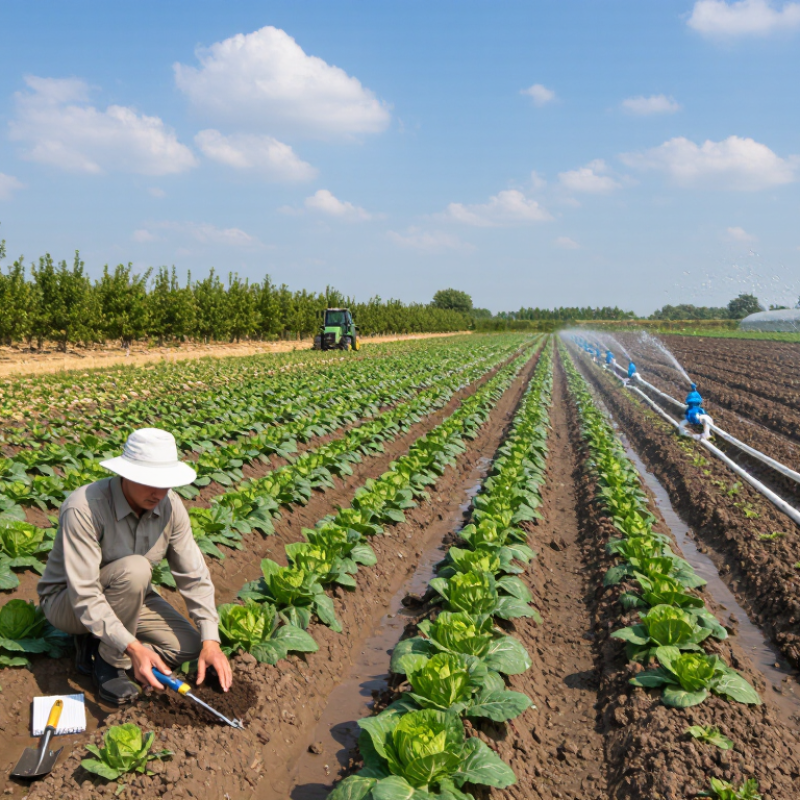
How to Choose the Best Nitrate Based Fertilizer?

Understanding Nitrate-Based Fertilizers and Their Main Types

Nitrate-based fertilizers supply nitrogen as nitrate, which roots can absorb directly. Some products also contain ammonium, calcium, or potassium, so their effects differ. Ammonium nitrate provides both nitrate and ammonium nitrogen; a common grade contains about 34% total nitrogen. Calcium ammonium nitrate blends nitrogen with limestone or dolomite and often has a lower nitrogen concentration. Calcium nitrate supplies readily soluble nitrate nitrogen and calcium, while potassium nitrate adds potassium as well. Typical grades contain about 15.5% nitrogen in calcium nitrate and 13% nitrogen plus 46% potash (K₂O) in potassium nitrate. Check the actual product label: formulations vary.

The International Fertilizer Association’s June 2024 Short-Term Fertilizer Outlook estimated global fertilizer use at 192.5 million tonnes of nutrients in 2023/24. That was a 4% annual increase. The figure covers fertilizers broadly, not nitrate products alone, but it shows the scale of nutrient management. Choice should reflect crop demand, soil conditions, irrigation, and the other nutrients needed. For example, calcium nitrate may suit a crop needing both calcium and nitrogen, while potassium nitrate supplies potassium too. One easy mistake is choosing by nitrogen percentage alone. Nitrate can move with water, so heavy irrigation or rain may increase losses. That detail is easy to overlook. A soil test and a local agronomist’s advice can help match the source and application timing.

How to Choose the Best Nitrate Based Fertilizer? - Understanding Nitrate-Based Fertilizers and Their Main Types

Fertilizer type Typical nutrient analysis Nitrogen form Best suited for Key selection considerations
Ammonium nitrate About 34% total N Approximately half nitrate-N and half ammonium-N Rapid nitrogen supply for many field and horticultural crops where permitted and appropriate Provides readily available nitrate alongside ammonium. Check local regulations and follow label directions; store securely and keep away from heat and incompatible materials.
Calcium ammonium nitrate (CAN) Commonly about 26–27% total N; grade varies A blend of nitrate-N and ammonium-N Field crops and pastures needing a granular nitrogen source Often contains limestone or dolomite. Check the product label for its exact nitrogen and calcium content; do not assume all CAN grades supply the same amount of calcium.
Calcium nitrate Commonly about 15.5% total N and 19% calcium Mostly nitrate-N, with a small ammonium-N portion in common grades Vegetables, fruit crops, and fertigation programs where both nitrogen and calcium are needed Useful when calcium is also required, but it does not replace a soil or tissue test. Confirm compatibility before mixing with phosphate- or sulfate-containing concentrates.
Potassium nitrate Commonly 13-0-46 (N-P2O5-K2O) Nitrogen is supplied as nitrate-N Crops with a need for both nitrogen and potassium, including many fruit and vegetable crops Choose it when the crop and soil need potassium as well as nitrogen. Account for its potassium contribution when planning the full fertilizer program.
Sodium nitrate Commonly about 16% total N Nitrogen is supplied as nitrate-N Situations where a nitrate source is desired and added sodium is acceptable Contains sodium, so consider soil salinity, drainage, irrigation-water quality, and crop sensitivity before use. It may be unsuitable for sodium-sensitive crops or soils.
Urea-ammonium nitrate solution (UAN) Common liquid grades contain 28% or 32% total N A mixture of nitrate-N, ammonium-N, and urea-N Liquid fertilizer programs, including suitable field application and fertigation systems Only part of its nitrogen is immediately present as nitrate. Check equipment, crop safety, application method, and product compatibility; avoid leaf contact unless the label permits it.

How to choose: Match the nitrogen source to the crop’s nutrient needs, soil and water test results, application method, and local conditions. Nutrient analyses shown are typical examples, not guaranteed specifications; always verify the product label and follow local agronomic guidance.

Assessing Crop Needs and Soil Nutrient Conditions

Choosing a nitrate-based fertilizer starts with the crop’s growth stage, not the bag label. Leafy vegetables and actively growing cereals may need nitrogen at different times and rates. Check the field’s yield goal, previous crop, manure history, and expected rainfall. A legume cover crop can leave useful nitrogen behind. Soil conditions vary.

Use a recent soil test to assess nitrate-N, ammonium-N, pH, and other nutrients. Sample the depth recommended by a local agronomist; surface results alone may miss nitrate that has moved lower in the root zone. Nitrate is mobile, especially after heavy rain or irrigation. A test is a snapshot, not a promise. Compare results with regional crop recommendations, then consider split applications where local guidance supports them.

The FAO’s World Fertilizer Trends and Outlook to 2026 projected global fertilizer nutrient demand at 208.2 million tonnes for 2026. That scale underscores why field-specific rates matter: excess nitrogen can move beyond roots, while too little can limit yield. Keep records of application dates, rates, weather, and crop response. Small details matter. Recommendations can still miss the mark when weather shifts or sampling is uneven, so review the plan during the season rather than treating one soil report as final.

Comparing Nitrate Sources, Nutrient Ratios, and Formulations

Choosing the best nitrate-based fertilizer means matching its nutrient profile to the crop and soil, not simply picking the highest nitrogen number. Calcium nitrate supplies nitrate nitrogen and calcium, which can suit crops with a known calcium requirement. Potassium nitrate adds potassium, useful when both nutrients are needed. Sodium nitrate also supplies nitrate, but sodium may contribute to salinity in sensitive soils. Check the full analysis on the label. A soil test helps identify what is actually missing. Numbers can mislead.

Formulation matters, too. Soluble products dissolve readily for fertigation or carefully measured watering, while granules may suit soil application. Confirm the product is appropriate for your irrigation setup, and follow its label for dilution and application rates. Calcium-containing fertilizers can react with phosphate or sulfate solutions and form deposits, so check compatibility before mixing. A clean jar test can reveal cloudiness or settling. Still, a jar test cannot replace label guidance.

Tips: Compare nutrient ratios against a soil test and crop needs. Apply measured amounts, then watch leaf color and growth. Keep notes. They make adjustments easier, though weather and soil conditions can still complicate the picture.

How to Choose the Best Nitrate-Based Fertilizer?

Comparing typical nutrient analyses by product weight. N-P-K values use the conventional label format: total nitrogen (N), phosphate (P₂O₅), and potash (K₂O).

How to read this: Potassium nitrate supplies both nitrate nitrogen and substantial potash, while calcium and magnesium nitrate also provide their named secondary nutrients. Ammonium nitrate contains both nitrate and ammonium forms of nitrogen. Actual analyses vary by formulation; check the product label and match nutrients to crop needs and soil or water tests.

Matching Application Methods and Timing to Growing Conditions

Nitrate fertilizer is highly soluble, so application timing should follow crop demand and soil moisture. On sandy ground, a heavy irrigation or storm can move nitrate below shallow roots. On clay soil, saturated conditions can delay field access and increase runoff risk. Iowa State University Extension’s corn nitrogen uptake guidance indicates that roughly 60% of seasonal nitrogen uptake occurs from the V6 stage through silking. That supports applying a portion near planting and splitting the remainder closer to rapid growth. Crop stage matters more than a fixed calendar date. Rain changes everything.

Choose the method to fit the field. A side-dress band can place nutrients near developing roots, while fertigation allows smaller doses through an irrigation system. Before spreading, check the forecast, soil test, and field drainage; avoid applying ahead of intense rain or onto frozen, flooded, or saturated ground. The USDA NRCS Nutrient Management Conservation Practice Standard 590 calls for nutrient timing and placement suited to soil, weather, and crop needs. Keep records of rates and dates, then compare them with crop response. I still treat uptake figures as a guide, not a promise: varieties, soils, and weather shift demand, and a missed application window can be hard to correct.

Evaluating Product Safety, Cost, and Environmental Requirements

A nitrate fertilizer should be judged by more than its label price. Compare the cost per kilogram of plant-available nitrogen, then include freight, spreading, and storage costs. A cheaper product may need more material to meet the crop’s needs. Check the safety data sheet, keep bags dry, and use suitable gloves and eye protection when handling granules.

Environmental risk depends on timing and field conditions. The IPCC’s 2019 Refinement uses a default factor of 1% of nitrogen inputs emitted directly as nitrous oxide-nitrogen; it is an estimate, not a prediction for every field. Rain soon after application can also move nitrate below roots, especially in sandy soil. Split applications may help, though they add labor and are not a perfect fix.

Keep water protection in view. The U.S. Environmental Protection Agency’s drinking-water limit for nitrate is 10 mg/L, measured as nitrogen. That is a water-quality standard, not a fertilizer product rating. Avoid application before heavy rain, calibrate the spreader, and follow soil-test recommendations. Small details matter. Records of rates, dates, and rainfall can reveal what worked, though one season rarely proves much.

“Guardian has been a tremendous help in providing storage and distribution solutions for AIR Global. We came to Guardian with a need, and they quickly found a solution for us at a very reasonable price. Our business is very demanding, especially during busy periods, and Guardian has been flexible and able to accommodate all requests with less than 48 hours’ notice. April, our main contact, has been extremely helpful in making sure our orders are shipped on time and that our inventory is accurate. I highly recommend using Guardian and look forward to continuing our relationship for many years to come.”

Matt Buffington
Director of Supply and Operations
Americas

“The Guardian Logistics Team is responsive and helpful on a consistent basis.  This removes a tremendous amount of stress and gives us incentive to route cargo that will touch your dock. Thanks for all that you do!!!”

Charles Reel
Branch Manager
Scan Global Logistics

“I recommend with great confidence, Guardian Logistics Solutions and owner, Brent Smith to whomever needs top shelf deliveries including Last Mile, White Glove, Residential and Commercial.

I have known GLS since its inception. Guardian is always looking for the right answer to solve the customer’s problem. I can, without hesitation, recommend Guardian Logistics to any company that is looking for the best service in their coverage area. They will team with you to create a solution that suits your needs and ensure you are satisfied with the outcome.”

Steven T. Nelson

“I highly recommend Guardian Logistics Solutions. The professionalism and communications offered by the team, along with speediness, cost saving solutions and attitude is a testament to the fact that this is one of the most important partners you can have in the freight movement business.

The company offers exemplary service, they continuously exceed our expectations and that of the importers, they help us service, Guardian Logistics Solutions is the best solid business partner you should add to your company.”

Ubaldo Sierra
Maersk Customs Brokers
General Manager

“Guardian Logistic Solutions is one of those rare companies who under-promise-and-over-deliver EVERY single time!”

James Burke
Manager, Sales Team
OLIMP Warehousing

“I want to thank the team at Guardian for the excellent service we have received.
The shipments have been professionally handled and freight arrives timely and in good order at a fair price. Communication is a very important part of the handling and Guardian does a great job of communication through the delivery.”

Cheri Zetrouer
Access Worldwide
Customs Brokers & Freight Forwarders

“I am very lucky to have found Guardian Logistics to help with our freight needs.  Our business is a bit unique in that we only receive a shipment every 2-3 months and we have to stick to a very strict time schedule in order to unload the delivery.  We found it virtually impossible to consistently coordinate with logistics companies to have shipments arrive on time and when they were expected. After multiple frustrating scenarios, our broker introduced us to Guardian Logistics who handled all of our shipments recently to perfection. Our shipments have arrived on time, when expected, with friendly and helpful drivers.  We will only be using Guardian moving forward for all of our shipping and freight needs. I couldn’t recommend them strongly enough!”

Trey Conrad
Owner
Patriot Power Source

“We have been working with the Guardian company for several years now and I can say without a doubt that their entire team cares about the service they provide. Their personal interest in their customers’ success makes them a standout in the world of final mile delivery.

I highly recommend Guardian for anyone requiring outstanding services in warehousing and final mile delivery programs.”

Frank Ianucilli
Director of Final Mile Operations
Werner Enterprises

“At WeFixFreight.com, client satisfaction is our main priority.  We are proud to partner with the top notch team at Guardian to bring our customers nothing but the best service when it comes to freight reworks, cross docking services, and final mile delivery.”

Bill Carlin
CEO
WeFixFreight.Com

“The Guardian Logistics staff has always been exceptional, and these days, with all the competition out there, it’s the service that matters. We appreciate all they do and look forward to continuing our business with GLS.”

Cathy Avolio
Ocean Import Manager
Mallory Alexander Int'l Logistics (NY), LLC
Back To Top