What is Inventory Management and Why Does It Matter?
Inventory management is a critical component of any successful business. It involves tracking and overseeing the ordering, storage, and use of products. Effective inventory management ensures that companies have the right products on hand at the right time. This way, they can meet customer demands without overstocking, which can tie up capital.
Many businesses struggle with inventory management. They often face issues like stockouts or excess inventory. These problems can lead to lost sales and wasted resources. Furthermore, poor inventory practices can damage customer satisfaction. Customers expect timely deliveries and product availability. When companies fail to meet these expectations, it can tarnish their reputation.
Implementing robust inventory strategies is essential. Professionals can optimize inventory levels and minimize costs. However, finding the right balance is challenging. It demands constant monitoring and adjustment based on market trends. In a business landscape that is constantly changing, effective inventory management can be the difference between thriving and merely surviving.

What is Inventory Management?
Inventory management is a crucial aspect for businesses of all sizes. It involves overseeing the flow of goods from manufacturers to warehouses and ultimately to the point of sale. Effective inventory management ensures that a business has the right products available at the right time. This prevents stockouts and minimizes excess inventory, saving both time and money.
Many companies face challenges in maintaining accurate inventory levels. Over-ordering often leads to excess stock, which ties up cash. Under-ordering results in missed sales opportunities. It's a balancing act that requires a keen understanding of market demand and supplier reliability. Utilizing inventory management software can streamline this process, but even the best tools can't eliminate the need for human judgment.
Tracking inventory should be an ongoing process. Periodic audits can help identify discrepancies. Regularly reviewing sales data aids in making informed decisions. Encourage communication among staff members about inventory levels. Remember that even small adjustments can lead to improved efficiency. A solid inventory management strategy not only enhances operational efficiency but also fosters customer satisfaction by ensuring product availability.
Key Objectives of Inventory Management
Inventory management plays a crucial role in the overall success of any business. The key objectives include minimizing costs, maximizing efficiency, and ensuring customer satisfaction. By maintaining optimal stock levels, businesses can avoid overstocking or stockouts. Overstocking ties up capital and increases storage costs. Stockouts can lead to missed sales opportunities and unhappy customers.
Efficient inventory management also focuses on accurate forecasting. Predicting demand helps businesses align their inventory with market trends. Seasonal demands can fluctuate dramatically. Therefore, appropriate strategies need to be in place to adapt to these changes. Regular audits are necessary to assess the accuracy of inventory counts. Mistakes can occur, leading to financial losses.
Additionally, improving supply chain communication enhances inventory processes. Sharing information with suppliers allows for better planning and quicker response times. However, not all companies effectively collaborate with their vendors. Some may need to revisit their approach. Achieving these objectives requires ongoing evaluation and adjustments, especially in a dynamic market.
Benefits of Effective Inventory Management
Effective inventory management is crucial for any business. It ensures that products are available when customers want them. This not only boosts sales but also enhances customer satisfaction. With good inventory practices, businesses can minimize wastage and reduce storage costs. An efficient system helps in tracking stock levels and ordering cycles.
Understanding the flow of inventory can reveal hidden issues. For instance, excessive stock can tie up valuable cash resources. On the other hand, insufficient inventory can result in lost sales and poor customer reviews. Striking this balance is key to financial stability. Regular audits and analysis of inventory turnover can provide insights to improve these processes.
Consider implementing periodic reviews to assess stock levels. This can help identify slow-moving items that may need promotional boosting. Another tip is to invest in technology that offers real-time tracking. This enhances transparency and helps avoid stockouts or surpluses. Having an organized inventory system creates a smoother workflow and allows for better decision-making. It is vital to keep refining approaches to meet changing market demands.
Inventory Management Overview
Effective inventory management is crucial for optimizing the stock levels of different product categories. This bar chart illustrates the inventory levels in units across various categories, highlighting the importance of keeping balanced inventory to meet customer demand.
Challenges in Inventory Management
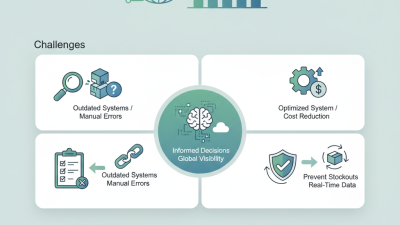
Inventory management is a crucial aspect of any business. It involves tracking stock levels, orders, and deliveries. However, several challenges can undermine effective inventory control. One common issue is inaccurate stock tracking. This occurs due to human error or outdated technology. Such mistakes can lead to overstocking or stockouts, both of which are costly.
Another challenge is demand variability. Customer preferences can change rapidly, making it difficult to predict future sales accurately. Companies often struggle to adjust their inventory accordingly. This can result in wasted resources or lost sales opportunities. Many businesses underestimate the impact of seasonal fluctuations, which can further complicate inventory levels.
One approach is to invest in better software solutions. Advanced inventory systems can provide real-time data. This helps in making informed decisions more quickly. Additionally, regular audits of inventory can identify discrepancies sooner. These measures enhance accuracy and efficiency. Training staff on proper inventory practices can also reduce errors and improve overall management. Addressing these challenges proactively can lead to smoother operations.
What is Inventory Management and Why Does It Matter? - Challenges in Inventory Management
| Dimension |
Description |
Challenges |
| Stock Levels |
The amount of inventory a company has at a given time. |
Overstocking or stockouts can lead to increased costs or lost sales. |
| Order Fulfillment |
The process of delivering the right products to the right locations within the promised timeframe. |
Delays in fulfillment can harm customer satisfaction and loyalty. |
| Inventory Turnover |
A measure of how often inventory is sold and replaced over a period. |
Low turnover can indicate overstocking and tied-up capital. |
| Demand Forecasting |
Predicting future customer demand for products. |
Inaccurate forecasts can lead to excess or insufficient stock, impacting sales. |
| Supplier Management |
Managing relationships and agreements with suppliers. |
Dependence on unreliable suppliers can disrupt inventory flow. |
| Inventory Audit |
Regular checks to verify that inventory records match physical stock. |
Infrequent audits can lead to discrepancies and financial loss. |
The Impact of Inventory Management on Business Success
Effective inventory management is crucial for business success. It directly impacts cash flow and customer satisfaction. When businesses have the right amount of stock, they can fulfill orders promptly. Shortages lead to lost sales. Excess inventory ties up capital that could be used elsewhere. This balance is not easy to achieve.
Many businesses struggle to refine their inventory processes. Poor management can result in excess waste and lower revenue. A streamlined approach involves regular audits and data analysis. Companies should track sales trends and seasonal variations. Understanding these patterns helps in making informed decisions. Yet, even with planning, unexpected demand can disrupt operations. This uncertainty requires flexibility and adaptability in inventory practices.
Another challenge is maintaining accurate records. Inaccuracies can cause stockouts or overstocked items. Implementing technology like inventory management software may help. However, it's essential to ensure staff are trained to use these systems effectively. Regular reviews of inventory practices are needed. Without reflection and adjustment, businesses risk falling behind their competitors.