What is Last Mile Delivery Service and Why Does It Matter?
Last mile delivery service has emerged as a crucial component in the logistics ecosystem. According to a report by McKinsey, last-mile delivery accounts for up to 28% of the total delivery costs in e-commerce. This segment is the final step in the logistics process, where goods travel from a distribution hub to the customer's doorstep. Its efficiency can significantly impact customer satisfaction and retention.
As e-commerce continues to grow, the demand for efficient last mile delivery service rises. Research by Statista highlights that global e-retail sales are projected to reach $6.54 trillion by 2023. This growth underscores the importance of optimizing last-mile operations. However, challenges remain. High costs, traffic congestion, and variability in service quality can hinder the effectiveness of last mile delivery.
Businesses must innovate continually to meet consumer expectations. Technology plays a vital role in addressing these issues. Yet, many companies grapple with the complexity of implementing these solutions. As demand increases, the pressure for timely and reliable last mile delivery service will only intensify. Companies must reflect on their processes to stay competitive and meet the evolving needs of the market.
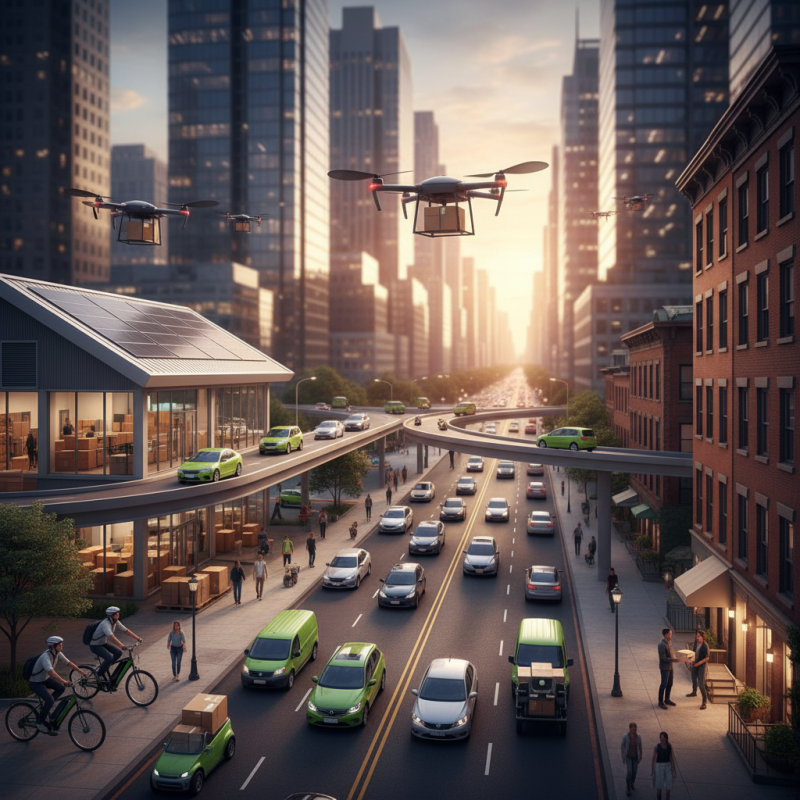
Definition of Last Mile Delivery Service
Last mile delivery service refers to the final step of transporting goods from a distribution center to the end customer. This phase is crucial in the supply chain. It directly impacts customer satisfaction. When goods arrive promptly, customers feel valued. But delays can lead to frustration and lost trust.
The challenges in last mile delivery are significant. Urban congestion often hinders efficient transport. Route optimization is essential for speed and cost efficiency. Advanced technology, like GPS and route planning software, aids in this process. However, reliance on technology can lead to unexpected pitfalls. Not every system is foolproof. Human oversight remains important.
Customer expectations continue to rise. They want speed and convenience. Yet, providing this service at a competitive price is difficult. Companies often struggle to balance cost and quality. Last mile delivery matters greatly, influencing overall service success. Finding effective solutions is ongoing and requires continuous reflection and adaptation.
Importance of Last Mile Delivery Service
Last mile delivery is critical because it directly impacts customer experience and satisfaction. The chart above illustrates the importance of various factors affecting last mile delivery services, highlighting speed and customer satisfaction as the most crucial elements.
Importance of Last Mile Delivery in E-commerce
In the world of e-commerce, the importance of last-mile delivery cannot be overstated. It accounts for up to 53% of the total shipping costs, according to the Logistics Management Reference Guide. This impactful segment of logistics bridges the gap between distribution centers and consumers' doorsteps. The final leg of delivery holds the key to customer satisfaction and loyalty, impacting overall sales.
Statistics reveal that 70% of shoppers consider fast delivery essential. In a recent survey by Convey, 90% of consumers stated timely delivery affects their purchase decisions. Delays or missed deliveries can push customers toward competitors. For businesses, ensuring smooth last-mile delivery is crucial. It requires innovative solutions to address challenges like traffic congestion and delivery scheduling.
However, the last-mile delivery landscape is not without flaws. Stranded packages and miscommunication are common issues, leading to customer frustration. A study by McKinsey highlights that businesses may need to rethink their strategies to adapt to changing consumer expectations. Efficiency must improve to meet the rising demand for swift and reliable delivery. Balancing speed, cost, and quality should be top priorities in evolving delivery systems.
Challenges Faced in Last Mile Delivery
Last mile delivery is a crucial step in the logistics chain. This is the final stage where goods reach customers from a distribution center. However, it comes with significant challenges. According to a report by McKinsey, last mile delivery can account for up to 28% of total transportation costs. This highlights the financial burden on logistics companies.
One major challenge is traffic congestion in urban areas. In cities, delays can increase delivery times and costs. A study by INRIX revealed that traffic congestion costs the U.S. economy $87 billion annually. This affects not just delivery speed but also reliability. Additionally, customer expectations are rising. People want faster and more precise deliveries, ideally within a few hours. This leads to operational pressure and can strain resources.
Last mile logistics also face issues with technology integration. Many companies struggle with implementing efficient routing systems. A report from Accenture noted that 77% of logistics firms see digital transformation as a top priority. However, only a few have successfully adopted these technologies. With constant developments in consumer behavior, the adaptation becomes even more complicated. The challenges in last mile delivery require continuous reflection and innovative solutions.
What is Last Mile Delivery Service and Why Does It Matter? - Challenges Faced in Last Mile Delivery
| Challenge |
Description |
Impact on Delivery |
Possible Solutions |
| Traffic Congestion |
High levels of traffic can delay delivery times and increase costs. |
Increased delivery times, higher fuel costs. |
Route optimization, time-of-day adjustments. |
| Delivery Window Expectations |
Customers often expect deliveries within narrow time frames. |
Potential for missed deliveries and customer dissatisfaction. |
Clear communication, advanced notifications. |
| Rural Deliveries |
Deliveries to remote areas can be costly and time-consuming. |
Higher operational costs, longer delivery times. |
Consolidation of deliveries, local pickup points. |
| Returns Management |
Handling returns can complicate last mile operations. |
Increased costs and complexity in logistics. |
Streamlined return processes, clear policies. |
| Customer Availability |
Customers may not be available at the time of delivery. |
Failed delivery attempts, re-delivery costs. |
Flexible delivery options, scheduled delivery times. |
Technological Innovations in Last Mile Delivery
Technological innovations in last mile delivery are reshaping the logistics landscape. In 2022, about 61% of consumers reported a preference for fast delivery options. These demands push companies to adopt new technologies, improving efficiency and customer satisfaction. Drones and autonomous vehicles are among the most talked-about innovations. These technologies promise to reduce delivery times and costs significantly.
However, the implementation of such technologies faces challenges. Drones, for instance, are limited by regulations and airspace restrictions. Moreover, maintaining a reliable delivery network requires substantial investments in infrastructure. According to a report by McKinsey, up to $200 billion could be needed to modernize last mile delivery systems globally.
Emerging technologies like predictive analytics also play a crucial role. They help businesses optimize delivery routes and manage resources effectively. Yet, reliance on technology can lead to vulnerabilities. Cybersecurity threats challenge the integrity of delivery systems. In this rapidly evolving space, businesses must navigate the trade-offs of innovation and security to meet consumer expectations.
Future Trends in Last Mile Delivery Services
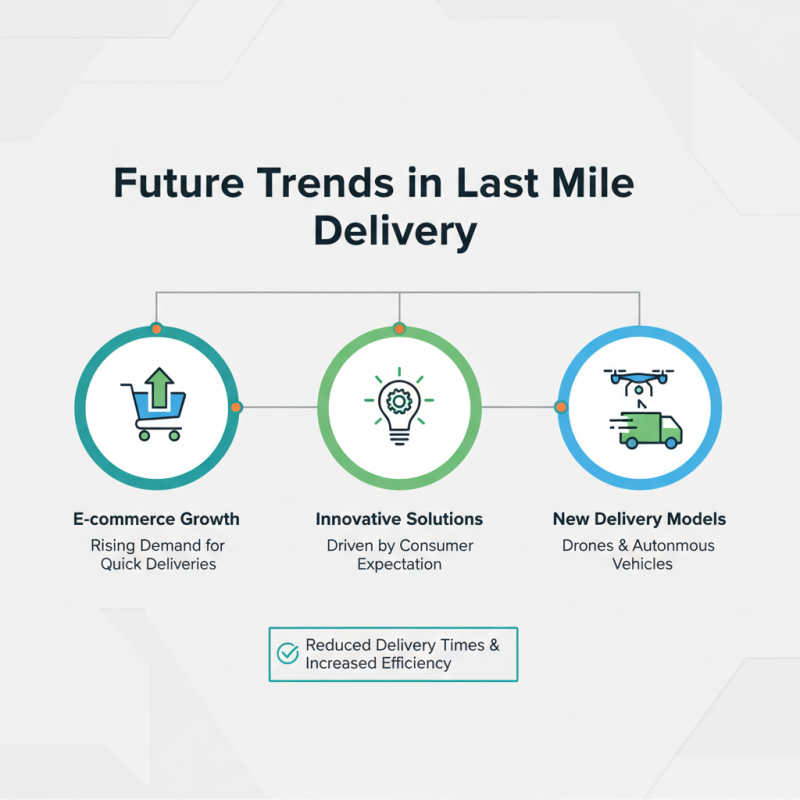
The future of last mile delivery services is evolving rapidly. As e-commerce continues to grow, consumers expect swift and efficient deliveries. This demand drives innovative solutions. Companies are exploring various delivery models, including drones and autonomous vehicles. These technologies promise to reduce delivery times significantly.
Urban congestion poses a challenge for last mile logistics. Traffic delays can hinder timely deliveries. Some companies are looking at micro-fulfillment centers. These smaller facilities, located closer to customers, enable quicker dispatches. However, the implementation of this strategy is not without hurdles. Neighborhood regulations and space limitations can complicate the process.
Sustainability is another key trend. Many consumers are now concerned about the environmental impact of delivery services. Businesses face pressure to adopt eco-friendly practices, such as electric vehicles and optimized routing. Balancing efficiency and sustainability is a constant challenge in the industry. Companies must rethink their approach to meet changing consumer expectations effectively.