Skip to content

Top Suction And Discharge Hose Manufacturers Worldwide

Choosing a reliable hose supplier can affect safety, uptime, and operating costs across demanding industries. This guide examines leading Suction And Discharge Hose manufacturers worldwide, with attention to practical performance rather than marketing language. These hoses move water, chemicals, fuel, slurry, and other materials under changing pressure conditions. Every application creates different risks.

The review considers manufacturing experience, material selection, reinforcement design, pressure ratings, temperature limits, and connection options. It also examines testing procedures, traceability, customization, delivery capability, and technical support. Details matter. A hose may look robust, yet fail when exposed to abrasion, repeated bending, or incompatible fluids. Factory audits, product datasheets, certifications, and customer feedback can provide stronger evidence than attractive brochures.

No directory is perfect. Manufacturer capabilities can change, and regional service quality may vary. Some public information is incomplete or difficult to compare fairly. That limitation deserves attention. Buyers should confirm current specifications, inspection records, warranty terms, and installation guidance before making a final decision. The strongest suppliers usually explain their testing methods clearly and identify suitable operating limits without exaggeration. Their teams understand field conditions, from muddy construction sites to vibrating marine decks. This introduction sets the context for comparing established manufacturers with a balanced and evidence-based approach. Performance claims still require verification.
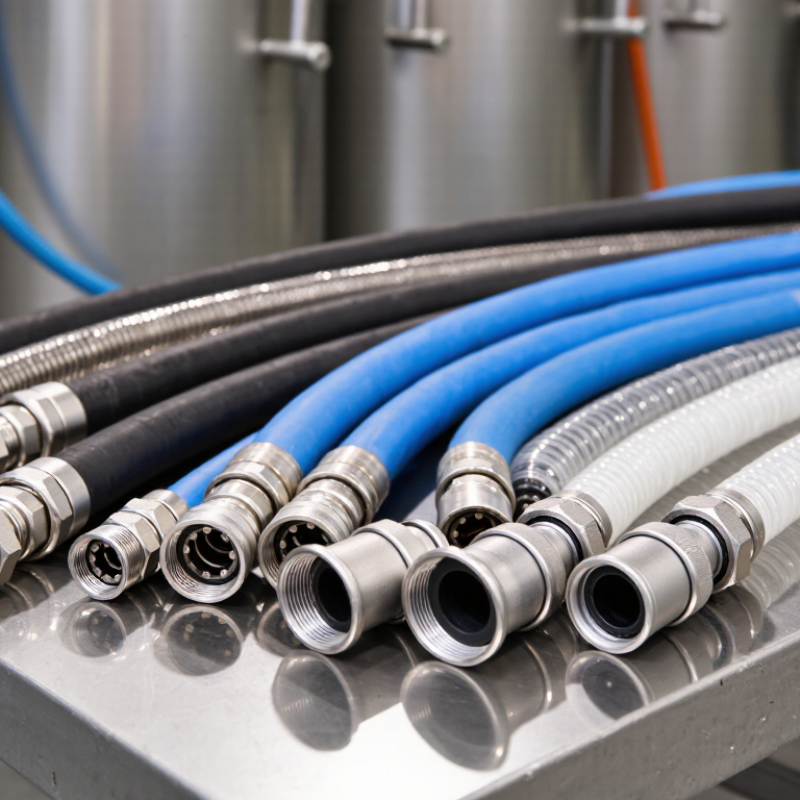
Top Suction And Discharge Hose Manufacturers Worldwide

What Are Suction and Discharge Hoses?

What Are Suction and Discharge Hoses?

Suction and discharge hoses move liquids, slurries, and gases through industrial systems. A suction hose operates under negative pressure, drawing material toward a pump. Its wall needs strong reinforcement, often with a helical wire, to resist collapse. A discharge hose works under positive pressure and must contain internal force without splitting. The difference seems simple. It is not.

Selection depends on more than diameter. Engineers check working pressure, vacuum rating, temperature range, chemical compatibility, abrasion resistance, and minimum bend radius. A hose handling abrasive slurry may require a thicker inner tube, while a fuel-transfer hose needs carefully tested elastomers and static-control features. ISO 1307 addresses hose dimensions and tolerances, but it does not replace application-specific testing. That detail is sometimes overlooked.

Market data reflects this broad industrial demand. Grand View Research estimated the global industrial hose market at USD 13.61 billion in 2022 and projected a 4.3% CAGR from 2023 to 2030. Fortune Business Insights reported a 2023 market value of USD 14.54 billion, forecasting continued growth through 2032. These figures include many hose categories, not suction and discharge products alone. That limitation matters. Real-world performance also depends on couplings, installation, storage, and inspection. A technically correct hose can still fail when sharply bent, dragged over concrete, or used beyond its rated temperature.

Key Materials and Construction Features

Top Suction And Discharge Hose Manufacturers Worldwide

Key Materials and Construction Features

Reliable suction and discharge hoses begin with the right material choice. Natural or synthetic rubber offers flexibility, impact resistance, and strong sealing performance. PVC can reduce weight and simplify handling on general-purpose sites. Thermoplastic polyurethane adds excellent abrasion resistance, especially where sand, gravel, or slurry moves continuously. Material selection should match the fluid, temperature, pressure, and expected bending radius.

Construction matters as much as the compound. A smooth inner tube reduces turbulence and limits material buildup. Textile plies provide pressure support, while embedded steel helixes help the hose resist vacuum collapse during suction service. A thick outer cover protects against sunlight, dragging, moisture, and surface wear. However, a thicker wall is not automatically safer. It may increase weight and make installation unnecessarily difficult.

Field inspections often reveal failures at the ends, not the center. Poorly fitted couplings can create leaks, stress points, and sudden separation. Manufacturers should use compatible clamps, reinforced end sections, and clearly marked pressure ratings. Each hose also needs practical testing, including visual inspection, dimensional checks, and pressure verification. Vacuum performance deserves attention too. Some specifications look convincing on paper but perform poorly after repeated bending. That detail is easy to overlook. Temperature cycling and storage conditions can also change flexibility, so real operating data remains more useful than a generic catalogue claim.

Top Suction And Discharge Hose Manufacturers Worldwide - Key Materials and Construction Features

The specifications below summarize commonly manufactured hose constructions used worldwide. Actual pressure, temperature, chemical-resistance, and dimensional limits depend on hose diameter, compound formulation, reinforcement design, and applicable certification.

Typical construction and performance ranges for industrial suction and discharge hose categories.
Hose Category Typical Applications Inner Tube Material Reinforcement Cover Material Construction Features Typical Working Pressure Typical Temperature Range Common Standards or Design References
Water Suction and Discharge Hose Construction dewatering, irrigation, municipal water transfer, general industrial service EPDM or SBR rubber Synthetic textile plies with embedded steel helix EPDM, SBR, or abrasion-resistant synthetic rubber Flexible Vacuum-resistant Smooth bore Corrugated or wrapped covers are commonly used to improve flexibility and handling. Approximately 5–15 bar Approximately −30°C to +80°C ISO 1307; ISO 4641; application-specific municipal or industrial specifications
Oil and Fuel Suction and Discharge Hose Transfer of diesel, lubricating oils, fuel oils, and petroleum-based liquids NBR or oil-resistant synthetic elastomer Multiple textile plies, anti-static copper wire, and steel helix Oil-, weather-, and ozone-resistant CR or CSM rubber Anti-static Flame-resistant options Low-permeation options Designed to control static electricity and reduce fuel permeation. Approximately 10–20 bar Approximately −30°C to +100°C EN 1765; EN 12115; API 7K for selected drilling-service designs
Chemical Suction and Discharge Hose Transfer of acids, alkalis, solvents, and specialty chemical solutions EPDM, UHMWPE, PTFE, or fluoropolymer-lined tube Textile reinforcement with steel helix; optional anti-static wire EPDM, CSM, CR, or other chemically resistant elastomer Chemical-resistant liner Groundable Vacuum-rated Liner selection must match the chemical concentration, temperature, and exposure time. Approximately 10–25 bar Approximately −40°C to +100°C; PTFE designs may reach higher temperatures EN 12115; ISO 6134 for selected chemical-service hose designs
Abrasive Slurry Hose Mineral processing, sand transfer, dredging, aggregate handling, and wet abrasive solids Natural rubber, NR/SBR blend, or wear-resistant polyurethane Heavy textile plies with steel helix or external support structure Thick natural rubber, SBR, or polyurethane cover High abrasion resistance Thick wall Replaceable ends Tube thickness and compound hardness are selected according to particle size and velocity. Approximately 5–20 bar Approximately −30°C to +80°C ISO 4649 abrasion testing; ISO 1307 dimensional reference
Dredging Hose Sand, gravel, silt, and seawater transport in marine and near-shore dredging Natural rubber or wear-resistant synthetic rubber Heavy-duty textile reinforcement, steel helix, and optional buoyancy layers Marine-grade rubber resistant to abrasion, ozone, and seawater Large diameter Buoyant options Flange-ready May include floating sections, armored bends, and integrated flange systems for marine deployment. Approximately 5–25 bar Approximately −30°C to +80°C Project-specific dredging specifications; ISO 1307 for sizing and tolerances
Food and Beverage Suction Hose Milk, juice, edible oils, alcohol-containing liquids, and hygienic process transfer White EPDM, silicone, or PTFE Textile plies with stainless-steel helix or embedded support wire Food-grade EPDM, silicone, or smooth hygienic elastomer Non-toxic liner Easy to clean Low odor and taste Smooth internal surfaces and sanitary end connections help reduce product retention. Approximately 6–16 bar Approximately −40°C to +120°C, depending on material FDA 21 CFR; EU Regulation 1935/2004; EC 2023/2006; 3-A requirements where applicable
Steam and Hot-Water Hose Steam cleaning, process heating, washdown, and high-temperature water service EPDM or other heat-resistant synthetic rubber Multiple high-strength textile plies, often with steel wire support EPDM or heat-, ozone-, and abrasion-resistant rubber Heat-resistant Safety factor design Anti-kink options Steam service requires dedicated hose construction and strict inspection because heat accelerates aging. Approximately 6–18 bar, depending on steam temperature Hot water up to approximately +100°C; saturated steam commonly up to +170°C EN ISO 6134; EN 6134; application-specific steam-hose safety requirements
Concrete Pumping Hose Transfer of wet concrete, grout, shotcrete, and cement-based materials Wear-resistant natural rubber or SBR Multiple high-tensile textile plies or steel-wire reinforcement Heavy-duty abrasion-resistant rubber High abrasion resistance Burst-pressure margin Thick tube End fittings and bend radius are engineered for pulsating pressure and repeated movement. Approximately 40–85 bar Approximately −30°C to +80°C EN 12001; ISO 1307; equipment-manufacturer requirements
Marine Cargo Hose Ship-to-shore transfer of petroleum products, chemicals, and other bulk liquids NBR, HNBR, EPDM, or PTFE-lined construction Multiple textile plies, steel helix, anti-static wire, and sometimes buoyancy layers CR, CSM, or marine-grade synthetic rubber Marine-rated Anti-static External cover protection May use built-in end fittings, breakaway couplings, and bend restrictors for offshore handling. Approximately 10–20 bar Approximately −30°C to +100°C OCIMF guidance; EN 1765; EN 12115; IMO-related project requirements
Hydraulic Suction Hose Hydraulic pump inlet lines, mobile machinery, agricultural equipment, and industrial power units Oil-resistant NBR Textile reinforcement with embedded wire helix Oil-, ozone-, and weather-resistant synthetic rubber Low collapse resistance Flexible Oil compatible The hose is optimized for low suction pressure and must be sized to limit inlet restriction. Approximately 3–10 bar Approximately −40°C to +100°C SAE 100R4; ISO 1307; equipment-specific hydraulic requirements
Dry-Bulk Material Hose Transfer of cement, flour, grain, powders, pellets, and other dry bulk materials NR/SBR, polyurethane, or conductive elastomer Textile plies with steel helix and embedded grounding wire Abrasion-resistant rubber or polyurethane Anti-static Abrasion-resistant Groundable Conductive construction helps dissipate electrostatic charge generated by dry particulate flow. Approximately 4–10 bar Approximately −30°C to +80°C EN 12115 for selected conductive designs; ISO 1307; ATEX-related risk assessment where applicable

How Manufacturers Ensure Hose Performance and Safety

Top Suction And Discharge Hose Manufacturers Worldwide

Reliable suction and discharge hose manufacturers begin with the application, not a standard catalog size. Engineers review fluid type, temperature, pressure, vacuum level, and bending movement. They select tube materials that resist swelling, abrasion, and chemical attack. Reinforcement layers are then designed to prevent collapse during suction and expansion during discharge. A hose may look strong, yet fail at its coupling. That detail is easy to underestimate.

Manufacturers verify performance through pressure, vacuum, impulse, abrasion, and leak testing. Samples are inspected for wall thickness, reinforcement placement, and bonding consistency. Couplings receive equal attention because poor assembly can cause sudden separation. Traceable batch records help connect test results with production dates and raw materials.

Field feedback also matters. A hose that passes laboratory testing may still kink beside a pump or drag across rough concrete. Real service exposes those weaknesses.

Tips: Match the hose to the actual working pressure, not the pump’s maximum rating alone. Check temperature changes during operation. Inspect covers for cuts, bulges, and soft spots. Keep bends wider than the stated minimum radius. Replace damaged clamps promptly. Do not rely on appearance only. Even experienced teams miss hidden reinforcement damage, so periodic inspection should include pressure checks and coupling reviews. Manufacturers can improve safety further by recording failures honestly, including test methods that did not work.

Leading Global Suction and Discharge Hose Manufacturers

Leading global suction and discharge hose manufacturers support industries that move water, chemicals, slurry, fuel, and other materials. Their products must handle pressure, vacuum, abrasion, temperature, and repeated bending. Experienced manufacturers begin with the application, not a standard catalog page. They review fluid type, working pressure, hose length, coupling design, and installation conditions. Small details matter. A poorly matched coupling can damage an otherwise strong hose.

Reliable manufacturers publish clear technical data and maintain consistent production records. They typically test burst pressure, vacuum resistance, flexibility, leakage, and material compatibility. Factory inspections should examine tube thickness, reinforcement placement, cover quality, and fitting security. For international buyers, traceability adds practical confidence. Batch numbers, inspection reports, and material records help teams investigate failures quickly. This evidence matters. However, some suppliers still present broad claims without enough test detail, which deserves careful questioning.

Leading producers also adapt designs for specialized work. A dredging hose may need heavy abrasion protection, while a marine discharge hose may require buoyancy and saltwater resistance. Food-processing applications demand different internal surfaces and cleaning standards. Customization can introduce risk if dimensions change without renewed testing. That point is easy to miss. In my experience, the most dependable manufacturers explain limitations openly and recommend realistic service conditions. Buyers should compare documented performance, production experience, inspection methods, and after-sales technical support before approving a global supplier.

Choosing the Right Manufacturer for Your Application

Choosing the right suction and discharge hose manufacturer starts with the application, not the catalog. A hose carrying diesel, slurry, food liquids, or corrosive chemicals faces different pressure, temperature, and abrasion demands. The 2024 MarketsandMarkets industrial hose report estimates the market will grow from about USD 14.1 billion in 2024 to USD 18.3 billion by 2029. This growth reflects wider industrial use, but more choices can create confusion.

Ask manufacturers for documented working pressure, burst pressure, vacuum rating, temperature range, bend radius, and compatibility data. For petroleum service, check whether the hose design aligns with relevant requirements such as EN 1765. For other duties, request material specifications, traceability records, and test reports from accredited laboratories. Certificates matter. They are not proof of suitability by themselves. In my experience, a supplier that asks about fluid concentration, particle size, pumping cycles, and installation length is usually more reliable than one offering an instant quotation. Small details matter.

Inspect the reinforcement, coupling method, cover resistance, and storage guidance. A hose may meet its pressure rating but fail early when dragged across concrete or bent near a coupling. That is an easy mistake. Cost comparisons should include replacement frequency, downtime, inspection labor, and disposal. The lowest purchase price can become the highest operating cost. I would also request a sample assembly, verify dimensions on arrival, and record performance during the first operating cycle. Supplier evaluation should remain active, because real site conditions often expose assumptions that laboratory data misses.

“Guardian has been a tremendous help in providing storage and distribution solutions for AIR Global. We came to Guardian with a need, and they quickly found a solution for us at a very reasonable price. Our business is very demanding, especially during busy periods, and Guardian has been flexible and able to accommodate all requests with less than 48 hours’ notice. April, our main contact, has been extremely helpful in making sure our orders are shipped on time and that our inventory is accurate. I highly recommend using Guardian and look forward to continuing our relationship for many years to come.”

Matt Buffington
Director of Supply and Operations
Americas

“The Guardian Logistics Team is responsive and helpful on a consistent basis.  This removes a tremendous amount of stress and gives us incentive to route cargo that will touch your dock. Thanks for all that you do!!!”

Charles Reel
Branch Manager
Scan Global Logistics

“I recommend with great confidence, Guardian Logistics Solutions and owner, Brent Smith to whomever needs top shelf deliveries including Last Mile, White Glove, Residential and Commercial.

I have known GLS since its inception. Guardian is always looking for the right answer to solve the customer’s problem. I can, without hesitation, recommend Guardian Logistics to any company that is looking for the best service in their coverage area. They will team with you to create a solution that suits your needs and ensure you are satisfied with the outcome.”

Steven T. Nelson

“I highly recommend Guardian Logistics Solutions. The professionalism and communications offered by the team, along with speediness, cost saving solutions and attitude is a testament to the fact that this is one of the most important partners you can have in the freight movement business.

The company offers exemplary service, they continuously exceed our expectations and that of the importers, they help us service, Guardian Logistics Solutions is the best solid business partner you should add to your company.”

Ubaldo Sierra
Maersk Customs Brokers
General Manager

“Guardian Logistic Solutions is one of those rare companies who under-promise-and-over-deliver EVERY single time!”

James Burke
Manager, Sales Team
OLIMP Warehousing

“I want to thank the team at Guardian for the excellent service we have received.
The shipments have been professionally handled and freight arrives timely and in good order at a fair price. Communication is a very important part of the handling and Guardian does a great job of communication through the delivery.”

Cheri Zetrouer
Access Worldwide
Customs Brokers & Freight Forwarders

“I am very lucky to have found Guardian Logistics to help with our freight needs.  Our business is a bit unique in that we only receive a shipment every 2-3 months and we have to stick to a very strict time schedule in order to unload the delivery.  We found it virtually impossible to consistently coordinate with logistics companies to have shipments arrive on time and when they were expected. After multiple frustrating scenarios, our broker introduced us to Guardian Logistics who handled all of our shipments recently to perfection. Our shipments have arrived on time, when expected, with friendly and helpful drivers.  We will only be using Guardian moving forward for all of our shipping and freight needs. I couldn’t recommend them strongly enough!”

Trey Conrad
Owner
Patriot Power Source

“We have been working with the Guardian company for several years now and I can say without a doubt that their entire team cares about the service they provide. Their personal interest in their customers’ success makes them a standout in the world of final mile delivery.

I highly recommend Guardian for anyone requiring outstanding services in warehousing and final mile delivery programs.”

Frank Ianucilli
Director of Final Mile Operations
Werner Enterprises

“At WeFixFreight.com, client satisfaction is our main priority.  We are proud to partner with the top notch team at Guardian to bring our customers nothing but the best service when it comes to freight reworks, cross docking services, and final mile delivery.”

Bill Carlin
CEO
WeFixFreight.Com

“The Guardian Logistics staff has always been exceptional, and these days, with all the competition out there, it’s the service that matters. We appreciate all they do and look forward to continuing our business with GLS.”

Cathy Avolio
Ocean Import Manager
Mallory Alexander Int'l Logistics (NY), LLC
Back To Top