Why is Logistics and Supply Chain Management Critical for Global Buyers?
In today's interconnected world, logistics and supply chain play a vital role for global buyers. The efficiency of these systems can make or break businesses. Poor logistics can lead to delays and increased costs. It's crucial for companies to understand the implications of their supply chains.
Successful logistics and supply chain strategies enhance customer satisfaction. When deliveries are timely and products are available, buyers remain loyal. However, challenges exist. Supply chain disruptions can arise from unforeseen events like natural disasters or geopolitical tensions. These risks require proactive management and innovative solutions.
Furthermore, technology significantly impacts logistics and supply chain management. Real-time tracking and data analytics improve decision-making. Yet, many companies struggle to adapt. Is relying solely on technology wise? Organizations must blend tech with human expertise. Balancing these aspects is essential for success in a competitive marketplace.

The Importance of Logistics in Global Trade Dynamics
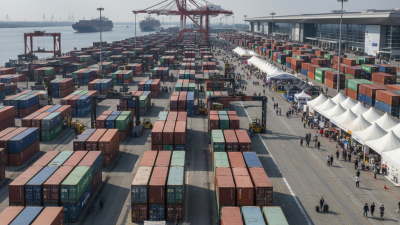
Logistics plays a pivotal role in global trade dynamics. It facilitates the movement of goods across borders, ensuring that products reach their destinations efficiently. When logistics functions well, costs decrease and satisfaction increases. On the contrary, delays disrupt supply chains and lead to financial losses. In many cases, poor logistics choices result in reputational damage for companies.
Moreover, supply chain management is essential for sustaining competitive advantages. It involves coordinating multiple processes, such as sourcing, transportation, and inventory management. Each layer requires attention and expertise. Neglecting any aspect can create bottlenecks that affect overall performance. Real-time data tracking can enhance visibility but may still miss critical insights. Continuous improvement practices can sometimes overlook longstanding issues.
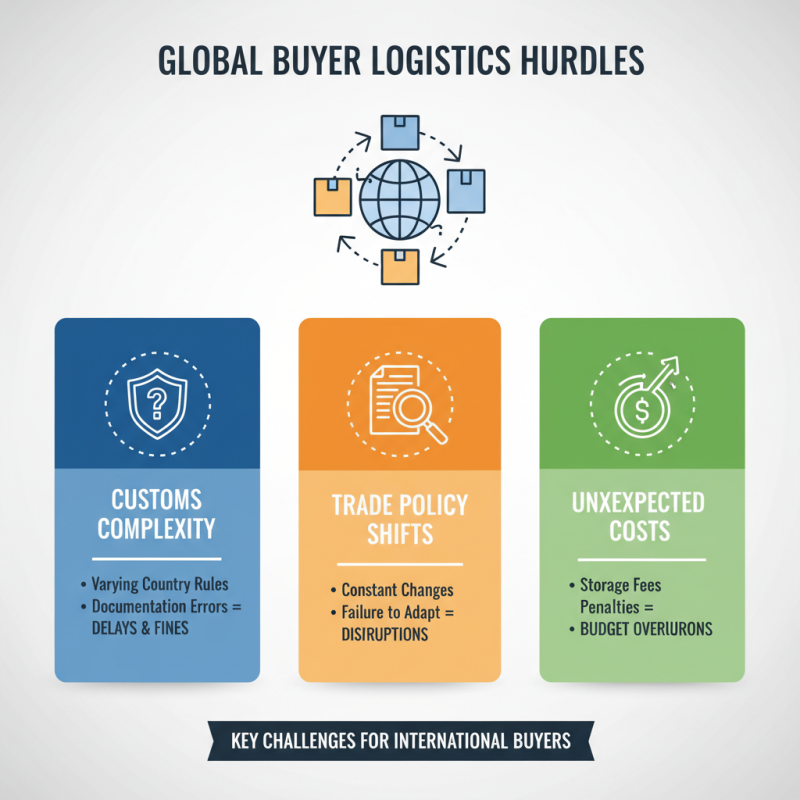
Creating resilient supply chains demands adaptability and innovation. As global trade evolves, so do the challenges. Navigating customs regulations, fluctuating demand, and geopolitical uncertainties adds complexity. Companies must stay informed and agile. They should also foster relationships with logistics partners. However, it takes time and effort to build that trust. The dynamics of logistics remain intricately tied to the global marketplace, affecting every transaction.
Understanding Supply Chain Management's Role in Cost Efficiency
Cost efficiency in supply chain management is crucial for global buyers. According to a report from the Council of Supply Chain Management Professionals, companies that invest in supply chain improvements can experience a reduction in operational costs by up to 20%. Efficiency helps businesses remain competitive in a rapidly changing market. Streamlining logistics can lead to lower transportation costs, reduced inventory holding, and increased customer satisfaction.
Additionally, effective supply chain management can drive meaningful changes in resource allocation. The 2022 State of Logistics Report indicated that shippers could save an average of 10% through optimized shipping routes and better inventory management. However, many firms still face challenges. Inconsistencies in supplier communication can lead to delays and excess costs. The complexity of global logistics often creates inefficiencies that require ongoing reflection and adjustment.
Embracing technology, such as AI and IoT, could improve these inefficiencies. For instance, predictive analytics can minimize stockouts and reduce waste. However, integrating such technologies comes with its own set of challenges, including high upfront costs and the need for employee training. Many organizations struggle to balance these investments with short-term profit goals. Ultimately, enhancing supply chain efficiency is an ongoing journey, requiring both strategy and adaptation to keep pace with global demands.
Why is Logistics and Supply Chain Management Critical for Global Buyers? - Understanding Supply Chain Management's Role in Cost Efficiency
| Dimension |
Description |
Impact on Cost Efficiency |
| Inventory Management |
Efficient inventory systems minimize excess stock and reduce storage costs. |
Reduces holding costs and frees up cash flow. |
| Supplier Relationships |
Strong partnerships can lead to better pricing and priority service. |
Lower procurement costs and improved service levels. |
| Transportation Management |
Optimized routes and methods reduce shipping times and expenses. |
Lower transportation costs and enhanced delivery reliability. |
| Technology Utilization |
Automation and data analytics streamline operations and improve forecasting. |
Increases productivity and reduces operational costs. |
| Risk Management |
Identifying and managing risks can prevent costly disruptions. |
Mitigates losses and ensures steadier cash flow. |
| Demand Planning |
Accurate forecasting aligns inventory levels with customer demand. |
Reduces overstocks and stockouts, optimizing sales potential. |
Impact of Effective Logistics on Customer Satisfaction Metrics
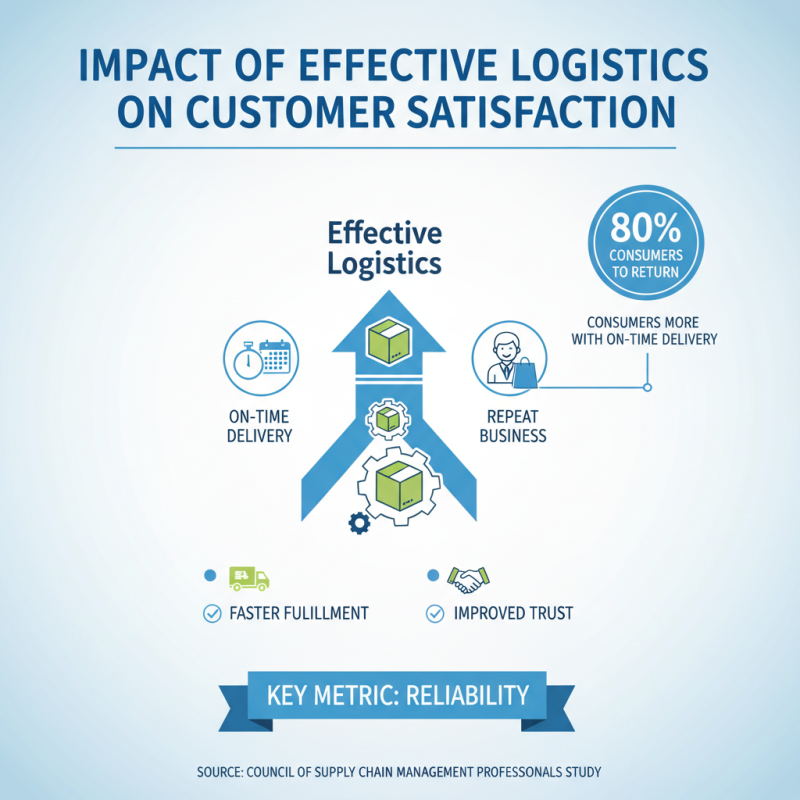
Effective logistics plays a pivotal role in enhancing customer satisfaction metrics. According to a recent study by the Council of Supply Chain Management Professionals, nearly 80% of consumers are more likely to return to a retailer if their delivery is on time. This statistic underscores the importance of reliable logistics in fostering repeat business.
Moreover, accurate order fulfillment is critical. Research indicates that 96% of customers feel a sense of loyalty after receiving exactly what they ordered, on time. However, discrepancies in deliveries can have the opposite effect. For instance, a significant number of consumers report that late shipments lead to cancellations in future purchases. Companies must recognize these dynamics to maintain strong customer relationships.
While many organizations strive for efficiency, challenges persist. Not all logistics operations can guarantee timely deliveries due to unexpected disruptions. A lack of transparency in tracking can lead to frustration among consumers. Addressing these gaps is essential for improving overall customer satisfaction. Therefore, businesses need to invest in robust logistics strategies that prioritize real-time updates and effective communication. This approach can transform logistics from a mere operational function into a valuable driver of customer loyalty.
Global Trends in Supply Chain Optimization and Technology Adoption
Supply chain optimization is crucial for global buyers. According to recent reports, 79% of companies with high-performing supply chains achieve revenue growth significantly above their industry averages. Balance between efficiency and flexibility is vital. As market demands shift, technology adoption becomes essential. Companies are investing in AI and machine learning tools to forecast needs accurately.
The adoption of advanced technology is reshaping logistics. In 2023, 68% of organizations reported leveraging automation for inventory management. Automation not only reduces errors but also speeds up processes. However, it requires a skilled workforce to manage and maintain these systems. Many businesses still struggle with workforce training, leading to reduced efficiency.
Sustainability is another pressing issue. More than 60% of consumers prefer purchasing from environmentally conscious companies. Yet, balancing cost and sustainability remains a challenge for many suppliers. The complexity of implementing green practices often leads to hurdles. Despite these challenges, the shift toward sustainable supply chains is undeniable. Continued focus on optimization and technology is essential for navigating these trends effectively.
Global Trends in Supply Chain Optimization and Technology Adoption