How to Optimize Last Mile Delivery for Better Customer Experience?
Last mile delivery is a crucial component of the supply chain. It directly influences customer satisfaction. Many companies struggle to meet delivery expectations. Delays, miscommunications, and poor service can tarnish a brand's reputation. Customers want their packages fast and intact.
Optimizing last mile delivery is not a simple task. It involves logistics, technology, and customer service. Many ignore the unique challenges of each delivery. Cities have heavy traffic, and rural areas can be unpredictable. A one-size-fits-all solution might not work. Flexibility is key to success.
Customer feedback is essential. Companies must listen to both praise and complaints. Acknowledging shortcomings can lead to better solutions. Improving last mile delivery is an ongoing process. It requires innovation and constant evaluation. Companies must be willing to adapt to changing expectations.
Understanding Last Mile Delivery: Definition and Importance
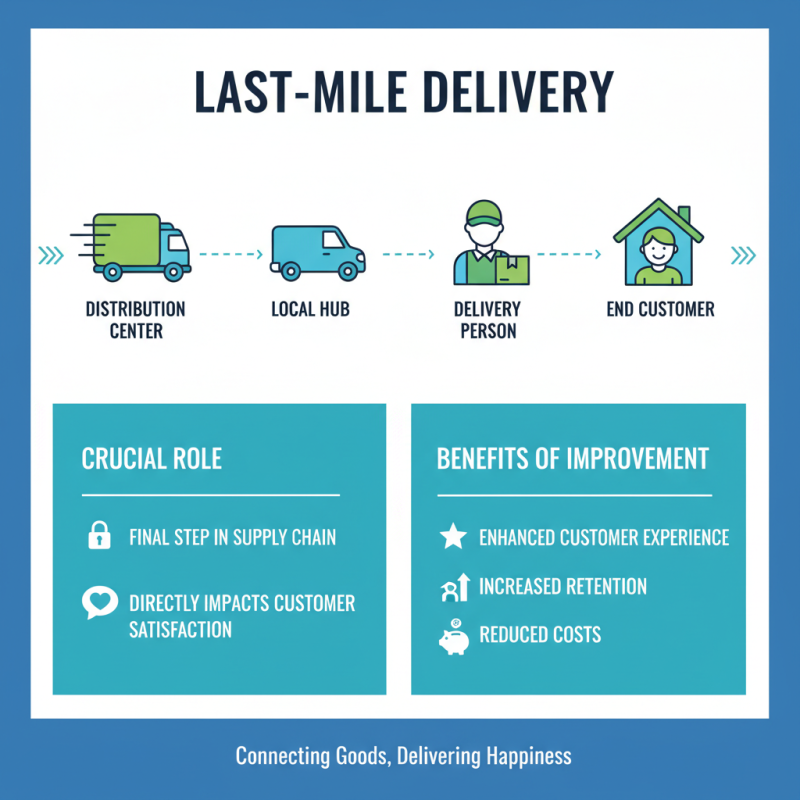
Last mile delivery refers to the final step of the delivery process. It involves transporting goods from a distribution center to the end customer's location. This segment is crucial in the supply chain. It directly affects customer satisfaction and retention. Improving last mile delivery can significantly enhance the customer experience.
Successful last mile delivery is often complex. Factors such as traffic conditions, weather, and delivery timeframes can cause delays. Customers may expect quick and reliable delivery. However, not all logistics providers can meet these high demands. In some cases, missing a delivery window can lead to dissatisfaction and lost trust.
Optimizing this process requires understanding customer needs. Some customers prefer specific delivery times, while others are flexible. Efficient route planning can help reduce delivery times. Technology can also play a role in tracking and communication. However, not every solution is perfect. Frequent software updates may introduce new issues. Continuous reflection on shortcomings is necessary for ongoing improvement.
Key Challenges in Last Mile Delivery: Identifying Pain Points
The last mile delivery is crucial for customer satisfaction. However, it faces significant challenges. According to industry reports, nearly 70% of delivery issues stem from inefficient last mile logistics. This inefficiency can lead to delays, incorrect deliveries, or damaged goods. In a competitive market, these problems can diminish a customer’s trust.
One major pain point is visibility. Many customers want real-time updates on their orders. Yet, only 30% of companies provide this information. This gap can lead to frustration for customers waiting for packages. Additionally, last mile delivery often struggles with route optimization. Inefficient routes increase delivery times and costs. Data suggests that up to 25% of delivery costs are related to fuel and labor inefficiencies.
Another challenge is the growing demand for same-day delivery. Consumers expect faster services, but many companies are not prepared. This rush can compromise service quality. Research indicates that approximately 37% of customers experience dissatisfaction due to late deliveries. Addressing these challenges requires innovative solutions and a focus on customer needs.
Strategies to Enhance Efficiency in Last Mile Delivery Operations
Last mile delivery is a critical component of the logistics chain. Optimizing this phase can greatly enhance customer experience. One effective strategy is route optimization. Using delivery management software can help identify the fastest or most efficient routes. This reduces delivery times, but many companies overlook the importance of updating customer notifications. Timely communication can keep customers informed and reduce frustration.
Tips: Keep your customer updated with delivery progress. A simple text or email can make a significant difference.
Another approach is using data analytics. Understanding delivery patterns can help anticipate busy times. It’s essential to allocate resources accordingly. However, many businesses struggle with incomplete data. This leads to inefficiencies and missed opportunities for improvement. Regularly reviewing data can reveal hidden areas for enhancement.
Tips: Analyze previous delivery data monthly. Look for trends that could inform your future logistics decisions.
Lastly, consider flexible delivery options. Offering time slots or pickup locations can cater to customer preferences. However, some companies might fear this can complicate operations. Balancing flexibility with efficiency is key. Experimenting with various options can lead to better customer satisfaction.
Optimizing Last Mile Delivery for Better Customer Experience
This chart represents the 2023 performance metrics for last mile delivery operations, illustrating on-time delivery rates, customer satisfaction, cost efficiency, and delivery speed. By focusing on these key metrics, companies can enhance their last mile delivery strategies to improve overall customer experience.
Leveraging Technology for Improved Last Mile Delivery Solutions
Last mile delivery remains a critical challenge for many businesses. It often accounts for nearly 28% of the total delivery cost. When optimizing this segment, leveraging advanced technologies is key. Real-time tracking systems can enhance visibility for both businesses and customers. According to a study, 70% of consumers prefer packages with live tracking. This preference shapes how companies design their logistics strategies.
Moreover, the use of AI and data analytics can help predict delivery patterns. Many companies now analyze historical data to optimize routes. Reports suggest that optimized routing can reduce costs by up to 15%. Yet, challenges remain. Technical glitches and integration issues can disrupt operations. It’s important for companies to reflect on their tech investments and continuously improve their systems.
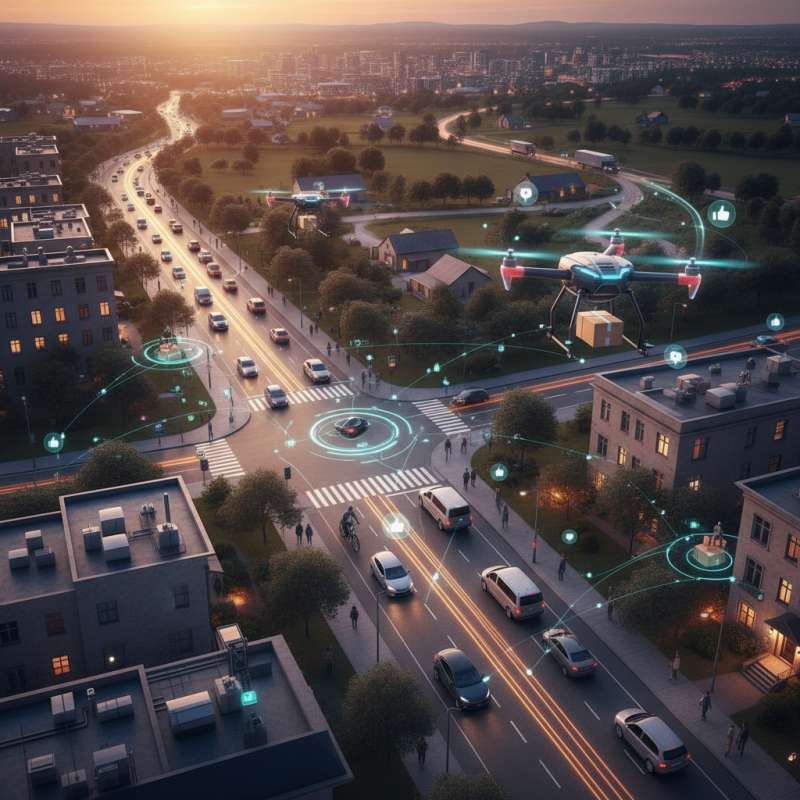
Automated delivery solutions like drones and robots are gaining traction. They provide faster options and can reduce labor costs. However, these technologies are not universally applicable. Factors such as infrastructure and regulatory constraints limit their effectiveness. Understanding when and where to implement these tools is crucial for enhancing customer experiences.
Measuring Customer Satisfaction in Last Mile Delivery Services
Measuring customer satisfaction in last mile delivery services is crucial. High customer expectations demand efficient, timely service. Many businesses struggle to meet these expectations. An effective way to gauge satisfaction is through feedback surveys. These provide valuable insights into the customer experience. However, compliance with feedback requests is often low.
Delivery times are a common pain point. Customers want real-time updates about their orders. Yet, not all businesses provide this feature. Tracking deliveries in real-time can enhance customer trust. Transparency helps in setting realistic expectations. But, issues like inaccurate ETAs can harm the customer experience. While technology can improve efficiency, human error still exists.
Communication is key in last mile delivery. Customers often want to speak to a representative. However, long wait times for support can frustrate them. Some businesses fail to prioritize adequate staffing. Personalizing interactions can make a difference. Learning from past mistakes is essential for growth. Feedback should drive improvements, but it often gets overlooked. Regularly evaluating satisfaction metrics can lead to better service.