How to Optimize Your Supply Chain in the Logistics Industry?
In the logistics industry, optimizing the supply chain is crucial for success. Companies face numerous challenges, such as rising costs and increasing customer demands. A well-optimized supply chain can enhance efficiency and reduce delays. It can also improve customer satisfaction by ensuring timely deliveries.
Supply chains in logistics are complex and often fragmented. Companies must navigate various processes, from procurement to final delivery. Inefficiencies can lead to wasted resources and higher expenses. Identifying bottlenecks and streamlining operations is essential. Small changes can yield significant results.
In this fast-paced environment, it is vital to stay current with industry trends. Emerging technologies, like AI and automation, can provide valuable insights. However, not every solution suits every business. Careful evaluation and customization are necessary. This approach can elevate a logistics company's performance and boost its competitive edge.

Understanding the Key Components of the Supply Chain in Logistics
Understanding the key components of the supply chain in logistics is essential for optimizing operations. The supply chain involves multiple stages, including sourcing, transportation, warehousing, and distribution. Each part plays a crucial role in ensuring efficiency and effectiveness. For instance, poor sourcing can lead to delays and increased costs. Companies need to assess supplier reliability carefully. Selecting the wrong partners can create a ripple effect throughout the chain.
Transportation is another vital component. The choice of transport mode influences delivery speed and cost. Many logistics firms struggle to strike the right balance between speed and expenses. Real-time tracking systems can enhance visibility but require investment. However, not all businesses take advantage of the latest technologies. This oversight can lead to inefficiencies that impact customer satisfaction.
Warehousing must also align with overall strategy. Overcrowded warehouses can hinder quick order fulfillment. Space management techniques, such as slotting optimization, can improve flow. Yet, not every company implements these strategies effectively. Often, organizational inertia prevents necessary changes. Reflecting on current practices and seeking improvements in these areas is crucial for maintaining a competitive edge.
Analyzing Supply Chain Performance Metrics for Optimization
Analyzing supply chain performance metrics is crucial for optimization in the logistics industry.
Key metrics like order accuracy, inventory turnover, and lead times reveal strengths and weaknesses in the supply chain.
For instance, tracking order accuracy can help identify issues in fulfillment processes.
Low accuracy often leads to customer complaints and increased costs. Understanding where errors occur is vital.
Inventory turnover is another crucial metric. A low turnover rate could indicate overstocking or slow-moving products.
This situation ties up capital and raises storage costs. However, too high a rate might mean stockouts, causing potential lost sales.
Constantly balancing these factors requires regular assessment and adjustment.
Lead times are also critical for customer satisfaction. If deliveries consistently take longer than expected,
it reflects inefficiencies in the supply chain. Frequent delays can sink customer trust.
Reflection on these metrics allows companies to consider changes in their processes.
For example, simplifying supplier communications may enhance lead times.
Tracking these performance metrics provides a roadmap for continual improvement, driving a more efficient supply chain.
Strategies for Reducing Costs and Increasing Efficiency
In the logistics industry, reducing costs while increasing efficiency is crucial. One effective strategy involves streamlining operations. Evaluate your current processes to identify redundancies. Map out workflows and pinpoint delay sources. Small adjustments can lead to significant improvements. For instance, optimizing warehouse layouts can reduce picking time.
Another approach is to invest in technology. Implementing a robust supply chain management system can provide real-time data. This data aids in decision-making and enhances forecast accuracy. It's essential, however, to ensure that staff are trained to utilize these systems effectively. Without proper training, technology can become a burden rather than a benefit.
Collaboration with suppliers is often overlooked. Strong relationships can lead to better pricing and priority during shortages. Discussing mutual needs can foster trust, creating a more agile supply chain. Reflect on how well you communicate with partners. It may reveal areas for improvement. Each adjustment contributes to a more resilient logistics operation.
Leveraging Technology and Automation in Supply Chain Management
In the logistics industry, optimizing your supply chain is crucial for efficiency. Leveraging technology and automation can significantly improve operations. According to a McKinsey report, companies that adopted digital tools saw a 20%-30% increase in productivity. This shift allows businesses to respond quickly to market fluctuations, minimizing delays.
Integrating automation tools like AI and machine learning helps in demand forecasting. A study by Gartner revealed that predictive analytics can enhance forecast accuracy by up to 50%. This means better inventory management and reduced waste. However, relying solely on technology may lead to over-automation, neglecting the human touch in customer service.
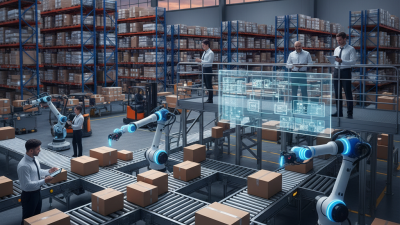
Consider using robotics in warehousing to speed up order fulfillment. Implementing automated systems can cut processing time significantly. But be cautious. Over-automation can create gaps where human insight is needed. Regular evaluations of tech investments are vital. They help in aligning technology with actual business needs. Emphasizing continuous improvement is critical. This will ensure your supply chain remains competitive and resilient.
Enhancing Collaboration and Communication Among Stakeholders
Effective collaboration and communication are essential in optimizing the supply chain within the logistics industry. According to a report by McKinsey, companies that enhance stakeholder engagement can see up to a 20% reduction in logistics costs. This improvement stems from clear information flow and timely decision-making, which minimizes delays and boosts efficiency.
To achieve better collaboration, invest in technology that integrates various platforms. Real-time data sharing within your network leads to quicker responses to market changes. Transparency in operations fosters trust among stakeholders, driving a culture of teamwork. Each node in the supply chain should have access to critical information. This approach not only streamlines processes but can cut response times by as much as 50%, according to recent industry findings.
Communicating with stakeholders is not just about sharing data. It's about understanding their needs and challenges. Regular updates and feedback loops can uncover potential issues before they escalate. Each meeting should focus on actionable insights rather than solely addressing problems. This proactive dialogue is essential for building long-term partnerships that improve overall supply chain performance.