
Skip to content

What Is a Sightseeing Vehicle and Which Type Is Best?

A Sightseeing Vehicle is more than a way to move visitors between attractions. It shapes comfort, accessibility, safety, and the pace of an experience. On a quiet resort road, an electric cart can offer open air, low noise, and easy conversation. In a historic city, however, a covered shuttle may handle rain, luggage, and longer routes better.

Demand for visitor transport is growing with tourism recovery. UN Tourism’s World Tourism Barometer, published in January 2025, reported that international arrivals reached approximately 99% of pre-pandemic levels in 2024. WTTC’s 2024 Economic Impact Research also valued global travel and tourism activity at about $11.1 trillion. These figures suggest stronger pressure on destinations to provide efficient, comfortable mobility. The IEA’s Global EV Outlook 2024 further confirms the expanding role of electric transport, although its data mainly covers road vehicles rather than sightseeing fleets.

The best choice depends on the route, passenger volume, terrain, weather, and operating budget. Electric sightseeing carts suit short, calm routes with frequent stops. Open-sided trains can carry larger groups and create a memorable visual experience. Accessible minibuses may be less distinctive, but they often serve mixed-age passengers more reliably. Small details matter. A steep slope, narrow gate, weak charging access, or missing rain cover can change the decision completely.

There is no universal winner.

This guide compares common vehicle types, operating conditions, and practical trade-offs. Some recommendations remain imperfect, because visitor expectations and site conditions vary. A vehicle that feels ideal beside a beach may perform poorly on a crowded heritage street. Experience should support the data, not replace it.
What Is a Sightseeing Vehicle and Which Type Is Best?

What Is a Sightseeing Vehicle?

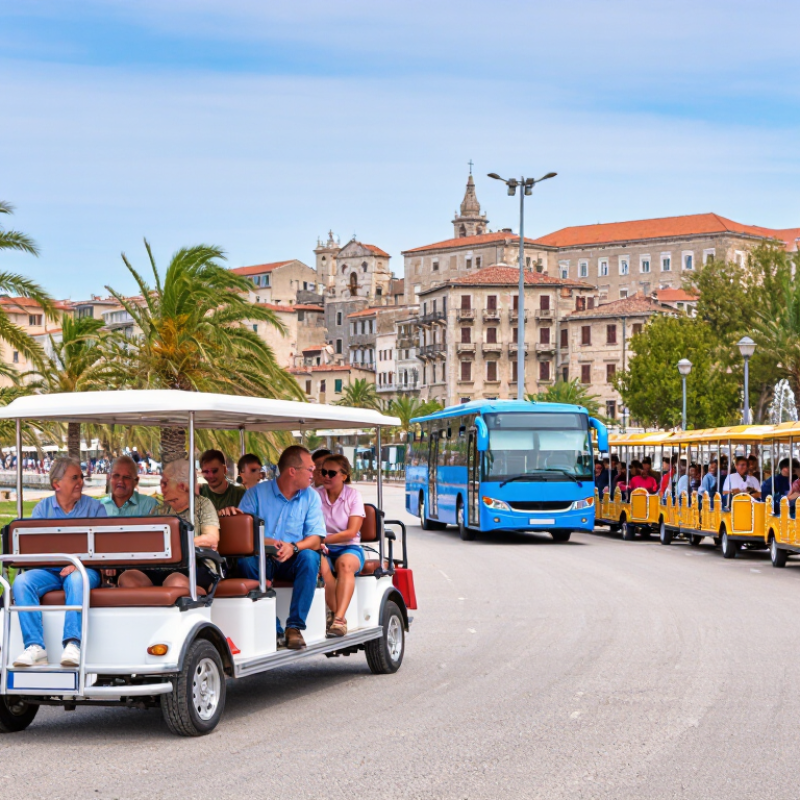
A sightseeing vehicle is designed to move visitors comfortably through places worth seeing. It may be an open-sided electric cart, a small shuttle, a tram-style road vehicle, or a specially adapted bus. Unlike ordinary transport, it supports viewing, commentary, and frequent stops. Large windows, raised seating, shade, and quiet movement can matter more than speed. In practice, passengers often remember a clear view and a smooth ride. Not horsepower.

The best choice depends on the route, group size, weather, and surface conditions. An open vehicle suits scenic parks and mild climates, but sudden rain can quickly change the experience. A covered shuttle offers better protection and accessibility, although its windows may limit photographs. Narrow paths favor compact vehicles, while long routes need supportive seats, storage space, and dependable climate control. Operators should check braking, lighting, seat restraints, boarding steps, and daily maintenance records. These details reflect professional care, not decoration.

A sightseeing vehicle should also match the destination’s character. Quiet electric operation may suit gardens, historic districts, or wildlife areas where noise is distracting. On uneven paths, stable suspension and careful speed control deserve attention. I have seen visitors choose the most attractive vehicle, then regret its hard seats after an hour. Appearance can mislead. Passenger feedback, route testing, and clear capacity information provide stronger evidence. Even experienced planners can miss one issue: the best vehicle is useless if guests cannot board it safely or comfortably.

What Is a Sightseeing Vehicle and Which Type Is Best?

A sightseeing vehicle is designed to transport visitors along scenic, cultural, or recreational routes. The best type depends on passenger capacity, route conditions, accessibility, and the desired viewing experience.

Typical passenger capacity:Open-air electric shuttles are suitable for smaller groups and narrow routes, while double-decker Sightseeing Buses provide the highest capacity. Tram-style road trains and safari vehicles offer a balance between group size and outdoor visibility.

How Sightseeing Vehicles Work and Where They Are Used

Asightseeing vehicle is a moving platform for guided observation, not merely public transport with larger windows. It usually follows a planned route, stops at major viewpoints, and provides narration through a guide or audio system. Open-top vehicles suit mild weather and historic districts, while enclosed coaches perform better in rain, heat, or dusty environments. Smaller electric shuttles can navigate narrow streets and reduce local noise. The best type depends on passenger volume, road width, terrain, climate, and accessibility needs.

Demand is substantial. UN Tourism reported about 1.4 billion international tourist arrivals in 2024, nearly returning to pre-pandemic levels. High-traffic destinations therefore need vehicles that manage queues without creating street congestion. The U.S. National Park Service recorded more than 325 million recreation visits in 2023, showing why shuttle-style sightseeing systems matter at protected sites. In practice, operators often combine frequent departures with timed stops, clear boarding areas, and low-floor access. Small details matter.

The choice is rarely perfect. An open vehicle offers better views but less weather protection. A large coach carries more people but may struggle on older roads. Electric vehicles operate quietly, yet charging schedules can limit service during peak hours. Route planners should measure dwell time, battery range, turning space, and real passenger feedback. Paper efficiency can fail in a crowded plaza. Good sightseeing design remains flexible.

The Main Types of Sightseeing Vehicles

A sightseeing vehicle carries visitors through places that are difficult to understand on foot. Its design affects comfort, visibility, noise, and access. The best choice depends on route length, passenger needs, and local conditions.

Electric sightseeing carts suit parks, resorts, historic districts, and narrow streets. They move quietly and offer easy boarding for short routes. Their open sides provide clear views, but rain and strong sunlight can reduce comfort. I have found that low-speed carts work well for guided stops, although their limited range needs careful planning.

Open-air sightseeing buses handle larger groups and longer city routes. Raised seats improve visibility, while weather protection makes the ride more practical. However, their size can restrict access to older streets. Sightseeing trains, usually made of a small powered vehicle and passenger carriages, create a relaxed experience in parks and attraction areas. They often provide stable seating, but turning space is essential. Boats offer a different perspective on waterfronts, rivers, and lakes. Calm movement can make landmarks feel more memorable. Still, boarding access and changing weather deserve close attention.

No type is perfect. A vehicle that looks attractive may perform poorly on steep paths or crowded roads. Operators should check braking, seat belts, handrails, wheelchair access, lighting, and emergency procedures before choosing. Passenger feedback matters too. Sometimes, a smaller vehicle delivers a safer and more personal experience than a larger one.

How to Compare Sightseeing Vehicle Features

What Is a Sightseeing Vehicle and Which Type Is Best?

A sightseeing vehicle is a passenger shuttle designed for short, scenic routes. It may use an electric, hybrid, or combustion powertrain. The best type depends on route length, passenger volume, terrain, and charging access.

Start with capacity, not appearance. Count seats, standing space, luggage areas, and wheelchair positions. A vehicle with 14 seats may serve a hotel route well, but struggle during a festival. Check the turning radius too. Narrow resort roads can expose poor maneuverability quickly. The World Health Organization reported about 1.19 million annual road deaths worldwide in its Global Status Report on Road Safety 2023. This makes braking, lighting, visibility, and passenger restraints practical priorities, not optional extras. Tiny details matter.

Compare battery range under real passenger loads. Hills, air conditioning, and frequent stops reduce advertised performance. The International Energy Agency reported that battery pack prices fell 14% in 2023, supporting wider electric adoption. However, lower battery costs do not remove charging delays. Review charging time, spare-vehicle needs, and battery warranty terms. Electric models suit quiet parks and urban routes, while hybrid models may fit longer or less predictable journeys. Combustion vehicles can offer fast refueling, but fuel use and noise may affect visitor experience. A neat specification sheet can still mislead. Test the vehicle on the actual route, with full passenger weight, before choosing.

Which Sightseeing Vehicle Type Best Fits Your Needs?

Choosing the right sightseeing vehicle depends on your route, passengers, weather, and desired travel pace. An open-air electric cart suits gardens, resorts, historic streets, and short tours. It offers fresh air, clear views, and easy boarding. However, strong sun or sudden rain can quickly reduce comfort.

An enclosed shuttle is better for mixed weather, longer routes, and passengers needing extra protection. It usually provides more stable seating and storage space. A larger sightseeing bus fits busy attractions with high passenger demand. Yet, it may struggle on narrow roads or sharp turns. Check the vehicle’s turning radius before selecting it. I once underestimated this detail, and a scenic route became a slow detour. Small mistakes matter.

Tips: Count daily passengers, not just peak capacity. Confirm wheelchair access, step height, luggage space, and ventilation. Ask about battery range or fuel use, charging time, maintenance records, and emergency procedures. Test the seating before purchase or rental. A quiet ride may still feel uncomfortable after one hour. Choose based on real route conditions, not attractive photos. Weather protection is useful, but large windows can create heat. A practical vehicle may look less impressive, yet serve guests better.

What Is a Sightseeing Vehicle and Which Type Is Best?

Compare common sightseeing vehicle types by capacity, operating environment, accessibility, range, and typical use to identify the best fit for your route and passengers.

Vehicle Type Typical Passenger Capacity Powertrain Typical Operating Speed Typical Range or Endurance Best Operating Environment Accessibility Main Advantages Main Limitations Best Fit for Your Needs
Open-Air Sightseeing Tram 20–35 passengers Electric or internal-combustion engine 15–25 km/h Electric models commonly operate for 6–10 hours per charge, depending on load, terrain, and weather Resorts, zoos, parks, waterfronts, and large attractions Usually step-up access; wheelchair access depends on the vehicle layout and optional ramp or lift Excellent visibility, engaging open-air experience, and flexible route design Limited weather protection and less suitable for high-speed or heavily trafficked roads Outdoor attractions that want a relaxed, panoramic passenger experience
Enclosed Electric Shuttle 8–23 passengers Battery-electric motor 15–30 km/h Commonly 80–160 km per charge, depending on battery capacity, passenger load, terrain, and climate control use Campuses, airports, hotels, business parks, and urban visitor districts Often available with a low floor, ramp, handrails, and designated wheelchair space Quiet operation, zero tailpipe emissions, weather protection, and comfortable boarding Higher purchase cost than basic open vehicles and requires charging infrastructure Frequent short-distance transfers where comfort, accessibility, and low noise matter
Open Electric Cart 4–8 passengers Battery-electric motor 15–25 km/h Typically 50–100 km per charge under light-duty operating conditions Small resorts, golf facilities, private attractions, and narrow internal roads Usually easy to board, although accessibility features vary considerably by configuration Compact turning radius, low operating noise, and easy maneuverability in confined areas Small capacity, limited luggage space, and weak protection from rain or cold Small groups, point-to-point service, and locations with narrow paths or tight turns
Touring Coach 35–60 passengers Diesel, natural gas, or battery-electric powertrain 50–100 km/h on roads where legally permitted Fuel-powered models can cover long intercity routes; electric models commonly provide approximately 200–500 km per charge, depending on configuration City sightseeing routes, regional tours, highways, and long-distance excursions Often available with a wheelchair lift or ramp, but accessibility must be confirmed for the specific vehicle High capacity, comfortable seating, luggage storage, and strong weather protection Large turning radius, higher operating cost, and restricted access on narrow streets Large groups, long routes, and sightseeing programs requiring enclosed comfort
Double-Deck Sightseeing Bus 50–90 passengers Diesel, hybrid, or battery-electric powertrain 25–60 km/h on urban routes Designed for scheduled route operation; endurance depends on fuel or battery configuration and stop frequency Major urban landmarks, broad avenues, and high-demand sightseeing circuits Lower-deck wheelchair access is common, while upper-deck access is generally by stairs Very high capacity, elevated viewing position, and strong visibility over city streets High vehicle height, limited access to low-clearance areas, and more challenging boarding for some passengers High-volume urban routes with recognizable landmarks and sufficient road clearance
Sightseeing Minibus 12–30 passengers Diesel, gasoline, or battery-electric powertrain 40–80 km/h on public roads Fuel-powered models support extended daily routes; electric models commonly cover approximately 150–300 km per charge Historic districts, suburban attractions, airport transfers, and mixed urban routes Accessibility ranges from basic step entry to wheelchair-lift or low-floor configurations More maneuverable than a full-size coach and suitable for smaller groups and varied routes Less interior space and lower passenger capacity than a full-size sightseeing bus Small or medium groups traveling through streets that are too narrow for large coaches

Selection note: Capacity, speed, range, dimensions, and accessibility can vary by vehicle design, battery size, passenger load, terrain, weather, local traffic regulations, and route conditions. Always verify the exact specifications before purchase or deployment.

“Guardian has been a tremendous help in providing storage and distribution solutions for AIR Global. We came to Guardian with a need, and they quickly found a solution for us at a very reasonable price. Our business is very demanding, especially during busy periods, and Guardian has been flexible and able to accommodate all requests with less than 48 hours’ notice. April, our main contact, has been extremely helpful in making sure our orders are shipped on time and that our inventory is accurate. I highly recommend using Guardian and look forward to continuing our relationship for many years to come.”

Matt Buffington
Director of Supply and Operations
Americas

“The Guardian Logistics Team is responsive and helpful on a consistent basis.  This removes a tremendous amount of stress and gives us incentive to route cargo that will touch your dock. Thanks for all that you do!!!”

Charles Reel
Branch Manager
Scan Global Logistics

“I recommend with great confidence, Guardian Logistics Solutions and owner, Brent Smith to whomever needs top shelf deliveries including Last Mile, White Glove, Residential and Commercial.

I have known GLS since its inception. Guardian is always looking for the right answer to solve the customer’s problem. I can, without hesitation, recommend Guardian Logistics to any company that is looking for the best service in their coverage area. They will team with you to create a solution that suits your needs and ensure you are satisfied with the outcome.”

Steven T. Nelson

“I highly recommend Guardian Logistics Solutions. The professionalism and communications offered by the team, along with speediness, cost saving solutions and attitude is a testament to the fact that this is one of the most important partners you can have in the freight movement business.

The company offers exemplary service, they continuously exceed our expectations and that of the importers, they help us service, Guardian Logistics Solutions is the best solid business partner you should add to your company.”

Ubaldo Sierra
Maersk Customs Brokers
General Manager

“Guardian Logistic Solutions is one of those rare companies who under-promise-and-over-deliver EVERY single time!”

James Burke
Manager, Sales Team
OLIMP Warehousing

“I want to thank the team at Guardian for the excellent service we have received.
The shipments have been professionally handled and freight arrives timely and in good order at a fair price. Communication is a very important part of the handling and Guardian does a great job of communication through the delivery.”

Cheri Zetrouer
Access Worldwide
Customs Brokers & Freight Forwarders

“I am very lucky to have found Guardian Logistics to help with our freight needs.  Our business is a bit unique in that we only receive a shipment every 2-3 months and we have to stick to a very strict time schedule in order to unload the delivery.  We found it virtually impossible to consistently coordinate with logistics companies to have shipments arrive on time and when they were expected. After multiple frustrating scenarios, our broker introduced us to Guardian Logistics who handled all of our shipments recently to perfection. Our shipments have arrived on time, when expected, with friendly and helpful drivers.  We will only be using Guardian moving forward for all of our shipping and freight needs. I couldn’t recommend them strongly enough!”

Trey Conrad
Owner
Patriot Power Source

“We have been working with the Guardian company for several years now and I can say without a doubt that their entire team cares about the service they provide. Their personal interest in their customers’ success makes them a standout in the world of final mile delivery.

I highly recommend Guardian for anyone requiring outstanding services in warehousing and final mile delivery programs.”

Frank Ianucilli
Director of Final Mile Operations
Werner Enterprises

“At WeFixFreight.com, client satisfaction is our main priority.  We are proud to partner with the top notch team at Guardian to bring our customers nothing but the best service when it comes to freight reworks, cross docking services, and final mile delivery.”

Bill Carlin
CEO
WeFixFreight.Com

“The Guardian Logistics staff has always been exceptional, and these days, with all the competition out there, it’s the service that matters. We appreciate all they do and look forward to continuing our business with GLS.”

Cathy Avolio
Ocean Import Manager
Mallory Alexander Int'l Logistics (NY), LLC
Back To Top