How to Start a Successful Logistics Business in 2023 Tips and Strategies
Starting a logistics business in 2023 presents a myriad of opportunities in a world increasingly reliant on efficient supply chains and timely deliveries. With the rapid evolution of e-commerce, technological advancements, and changing consumer expectations, now is an opportune moment for entrepreneurs to dive into this dynamic industry. The logistics sector plays a crucial role in connecting businesses and customers, making it an essential component of today’s economy. However, success in this competitive field requires careful planning, strategic insights, and an understanding of market trends.
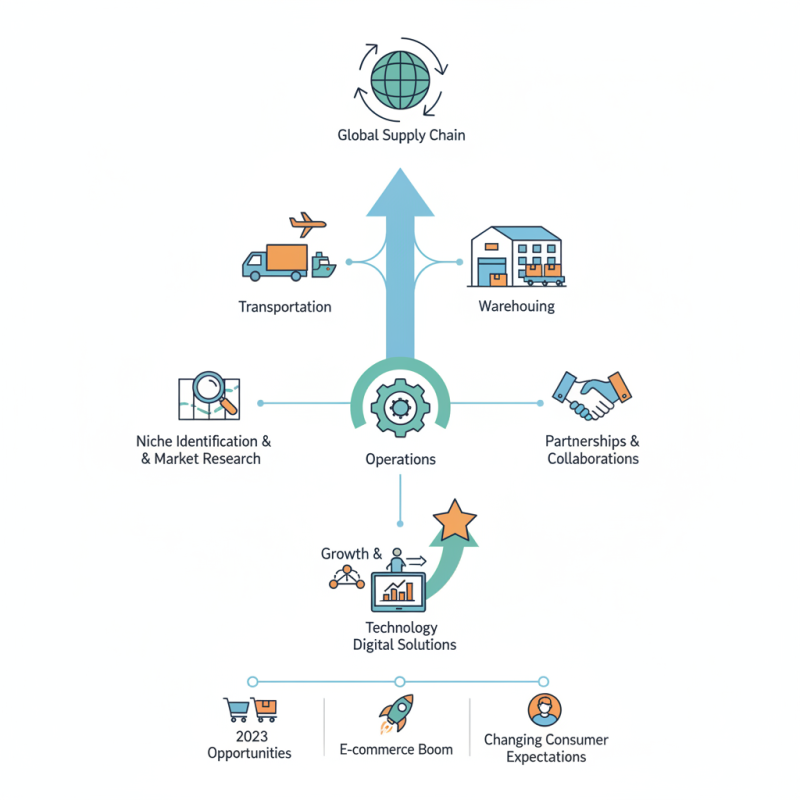
To embark on a successful logistics business, aspiring entrepreneurs must consider several key factors. From identifying the right niche and understanding the target market to implementing robust technology solutions and building reliable partnerships, effective strategies are critical. Moreover, navigating the complexities of logistics operations, including transportation management and warehousing, demands both expertise and adaptability. By leveraging the right tips and strategies outlined in this guide, new logistics entrepreneurs can position themselves for growth, ensuring that their ventures thrive amidst the challenges and opportunities that 2023 may bring.
Understanding the Current State of the Logistics Industry in 2023
In 2023, the logistics industry is experiencing a transformation influenced by technological advancements and shifting consumer demands. With the rise of e-commerce, there is an increasing pressure on logistics providers to enhance their efficiency and speed of service. As consumers expect faster delivery options, businesses are turning to automation and data analytics to streamline operations and optimize supply chain management. This transition not only improves delivery times but also reduces operational costs, making businesses more competitive in a crowded market.
Moreover, sustainability is becoming a key focus for logistics companies in 2023. As environmental concerns gain prominence, many organizations are exploring eco-friendly practices, such as using electric vehicles, optimizing delivery routes, and investing in green packaging solutions. This shift not only meets consumer expectations but also aligns with regulatory trends that favor sustainable practices. By understanding these current dynamics, entrepreneurs can carve out successful niches in the logistics industry, leveraging technology and sustainability to build resilient and profitable businesses.
How to Start a Successful Logistics Business in 2023 Tips and Strategies
| Strategy |
Description |
Current Trend |
Potential Challenges |
| Technology Integration |
Utilizing advanced software for real-time tracking and management. |
Increased use of AI and IoT in logistics operations. |
High initial investment costs and training of staff. |
| Sustainability Practices |
Implementing green logistics solutions to minimize environmental impact. |
Growing consumer preference for eco-friendly companies. |
Balancing cost and sustainability while maintaining efficiency. |
| Customer-Centric Approach |
Focusing on customer service and tailored solutions to meet specific needs. |
Increasing demand for personalized delivery options. |
Difficulty in scaling custom solutions efficiently. |
| Last-Mile Delivery Optimization |
Streamlining last-mile delivery to improve speed and reliability. |
Rise of e-commerce driving innovation in last-mile solutions. |
Congestion and delivery delays in urban areas. |
| Supply Chain Resilience |
Building resilience in supply chains to mitigate disruptions. |
Focus on diversification of suppliers and logistics partners. |
Potential trade-offs between speed, cost, and resilience. |
Identifying Key Market Trends and Opportunities in Logistics
Identifying key market trends and opportunities in logistics
is crucial for anyone looking to start a successful logistics business in 2023. One of the most significant trends is the growing demand for e-commerce logistics solutions. As online shopping continues to surge, consumers expect faster and more reliable delivery options. This shift presents an opportunity for logistics companies to develop specialized services, such as same-day delivery or last-mile solutions, which cater specifically to the needs of e-commerce businesses.
Another notable trend is the increasing focus on sustainability within the logistics sector. Many companies are actively seeking ways to reduce their carbon footprint and enhance supply chain efficiency. This creates opportunities for logistics businesses to implement eco-friendly practices, such as optimizing routes for fuel efficiency, utilizing electric vehicles, or partnering with green technology providers. By prioritizing sustainability, logistics companies can not only meet regulatory requirements but also attract environmentally conscious clients looking for responsible partners in their supply chain.
Additionally, advancements in technology, such as automation and artificial intelligence, are reshaping the logistics landscape. Companies that leverage data analytics to optimize inventory management, enhance tracking capabilities, and streamline operations can gain a competitive edge. Embracing these technological innovations is essential for logistics entrepreneurs aiming to foster efficiency and adaptability in their operations, ultimately driving growth in a rapidly evolving market.
Developing a Comprehensive Business Plan for Your Logistics Company
Developing a comprehensive business plan for your logistics company is crucial for success in the highly competitive industry of 2023. Begin by conducting thorough market research to understand the current trends and demands within the logistics sector. Identifying your target market and analyzing competitors will help you tailor your services to meet customer expectations effectively.
Outline your unique value proposition, which should highlight how your logistics solutions can provide efficiency and reliability compared to existing options.
In your business plan, define your operational framework and logistics processes. This includes determining your service offerings, such as freight forwarding, warehousing, and distribution. Establish clear operational goals and outline the necessary resources, including technology and partnerships that will support your business model.
Financial projections should also be a vital component, detailing startup costs, pricing strategies, and expected revenue streams. A well-structured business plan not only serves as a roadmap for your logistics company but also instills confidence in potential investors and stakeholders regarding the viability and growth potential of your venture.
Leveraging Technology and Innovation in Logistics Operations
In 2023, the logistics industry is rapidly evolving, with technology and innovation at the forefront of operations. Companies looking to establish a successful logistics business must harness these advancements to streamline processes and enhance efficiency. Implementing advanced logistics software can help track shipments in real-time, optimize routes, and manage inventory levels more effectively. Cloud-based solutions also offer enormous flexibility, enabling businesses to scale operations based on demand.
Tips for embracing technology include investing in automation tools that can significantly reduce manual labor, such as automated warehouses and robotics for sorting. Additionally, utilizing data analytics allows companies to make informed decisions by forecasting demand and identifying trends within the supply chain. Emphasizing transparent communication through integrated platforms can also improve coordination between stakeholders, leading to a more agile response to market changes.
Innovation is not just about adopting new technologies; it also involves rethinking traditional practices. Sustainable logistics solutions, such as eco-friendly packaging and fuel-efficient transportation methods, are becoming increasingly important. By prioritizing sustainability, businesses can not only cut costs but also appeal to a growing market of environmentally-conscious consumers. As logistics continues to transform, those who embrace technology and innovative practices will be better positioned for success in the competitive landscape.
Building a Strong Network of Partners and Suppliers in Logistics
Building a strong network of partners and suppliers is crucial for success in the logistics business. The logistics industry thrives on
collaboration and efficiency, making partnerships essential for optimizing operations. To establish a robust network,
start by identifying potential partners that align with your business goals and values. Look for suppliers who offer complementary services or capabilities, which can enhance your
offerings and improve service delivery. Engaging in industry events, trade shows, and local business organizations can also open doors to valuable connections.
Once potential partners are identified, focus on building solid relationships based on trust and reciprocity. Open communication is key;
share your goals and be transparent about your needs and challenges. This collaboration can foster innovative solutions
that benefit both parties. Additionally, consider employing technology that facilitates real-time communication and information sharing among your network, which can streamline
processes and reduce delays. Frequent assessments of partnership performance can help ensure that all parties remain aligned
and can adapt to market changes together, strengthening your logistics network for future growth.