What is Third Party Warehousing Companies and How Do They Work?
In recent years, third party warehousing companies have gained significant traction in the logistics sector. These firms offer essential services, allowing businesses to optimize their supply chains and reduce overhead costs. According to industry reports, the global third-party logistics market was valued at approximately $187.9 billion in 2021, with warehousing services making up a substantial portion of that figure. This growth indicates a shift towards outsourcing logistics functions.
Third party warehousing companies manage inventory, storage, and distribution efficiently. They provide firms with flexibility and scalability. However, reliance on these companies can bring challenges. Companies must ensure they choose a reliable provider to maintain service quality. Poor service may lead to inventory issues or delayed shipments, affecting customer satisfaction.
As businesses increasingly embrace e-commerce, the demand for third party warehousing solutions will likely grow. Addressing operational inefficiencies is vital. Companies might face difficulties in transitioning processes to third-party providers. Nevertheless, with careful selection and management, these partnerships can enhance overall performance. Experts agree that understanding how third-party warehousing works is crucial for businesses aiming for success in a competitive market.
What is Third Party Warehousing?
Third Party Warehousing refers to the practice of outsourcing the storage and distribution of goods to a specialized company. These companies manage inventory, handle logistics, and often provide additional services such as packing and shipping. By utilizing third party warehousing, businesses can focus on core operations and reduce overhead costs.
Many businesses utilize these services for various reasons. They may need extra storage space without investing in infrastructure. Seasonal fluctuations in demand can also influence this decision. However, it’s critical to choose the right warehousing partner. Poor communication and mismanagement can lead to inventory inaccuracies. This can hurt customer satisfaction as well.
**Tips:** Always research potential partners thoroughly. Check reviews and references before signing a contract. Regularly monitor inventory levels to avoid stockouts or overstock issues. Have a plan in place to address any discrepancies promptly. Being proactive can ensure a smooth operation and maintain your brand reputation.
Key Features of Third Party Warehousing Companies
Third party warehousing companies play a vital role in the supply chain, providing storage and distribution services for various businesses. One key feature is their scalability. According to a report by Prologis, companies using third-party warehousing can increase storage capacity by up to 50% without significant investment in infrastructure. This flexibility allows businesses to adapt to seasonal demands or unexpected market changes.
Another important aspect is technological integration. Many third-party warehouses are equipped with advanced inventory management systems. These systems improve accuracy and efficiency. A study by the Warehousing Education and Research Council (WERC) found that companies using such technology reported a 30% reduction in inventory errors. However, not all third-party providers seamlessly integrate these technologies, which can lead to inefficiencies.
Cost-effectiveness is also a key feature. Industry data shows that businesses can save around 25% by outsourcing warehousing instead of managing their own facilities. Yet, hidden costs can arise from service fees and fluctuating operational expenses. Thus, companies must conduct thorough evaluations to find the right partner. This aspect highlights the need for careful consideration and strategy when selecting a third-party warehousing option.
How Third Party Warehousing Companies Operate
Third party warehousing companies play a crucial role in modern supply chain management. They provide facilities and services that allow businesses to store and manage their inventory without the need for owned infrastructure. According to a 2022 report from the Material Handling Industry of America, 85% of companies choose third party logistics (3PL) providers for cost savings and operational efficiency.
These companies operate by offering various services tailored to their clients' needs. They manage not only storage but also pick and pack operations, inventory management, and distribution logistics. A survey by Logistics Management found that 72% of companies using 3PL services reported improved order fulfillment. This trend highlights the effectiveness of third-party warehousing in optimizing supply chain operations.
However, reliance on third party warehousing is not without challenges. Businesses must maintain control over inventory quality and ensure accurate data reporting. An unreliable third party can disrupt service and lead to customer dissatisfaction. In 2023, experts suggested that companies regularly audit their warehousing practices to enhance transparency and performance. Balancing efficiency with oversight is key to maximizing the benefits of third party warehousing.
Benefits of Using Third Party Warehousing Services
Third party warehousing services provide flexible storage solutions for businesses. They allow companies to scale operations without significant capital investment. Instead of maintaining large warehouses, businesses can rely on third party providers to manage inventory. This shift reduces overhead costs and helps companies focus on core activities.
Utilizing third party warehousing services offers several benefits. One major advantage is improved efficiency. These companies specialize in warehousing, leading to streamlined processes. They use advanced technology for inventory tracking. This ensures accurate stock levels and timely shipments. Additionally, businesses can access warehousing space based on demand. This flexibility helps manage seasonal changes effectively.
However, working with third party providers requires careful consideration. Companies must vet potential partners thoroughly. Trust and communication are vital in this relationship. A misalignment in expectations can lead to issues. It’s important to maintain oversight to ensure quality service. Balancing cost and reliability is essential for long-term success.
What is Third Party Warehousing Companies and How Do They Work? - Benefits of Using Third Party Warehousing Services
| Dimension |
Description |
Benefits |
| Cost Efficiency |
Third party warehousing can reduce overhead costs associated with owning and operating a warehouse. |
Lower operational costs enable businesses to allocate resources effectively and increase profit margins. |
| Scalability |
Third party warehouses provide the flexibility to scale up or down based on demand. |
This flexibility allows businesses to adapt to market changes swiftly and efficiently. |
| Technology Access |
Many third party warehousing services utilize advanced technology for inventory management and tracking. |
Access to these technologies enhances operational efficiency and accuracy. |
| Risk Management |
Outsourcing warehousing mitigates risks associated with property ownership and management. |
Reduced liability and risk exposure help businesses focus on core operations. |
| Expertise |
Third party warehouses often employ experts in logistics and supply chain management. |
Leveraging their expertise can enhance efficiency and productivity. |
Choosing the Right Third Party Warehousing Partner
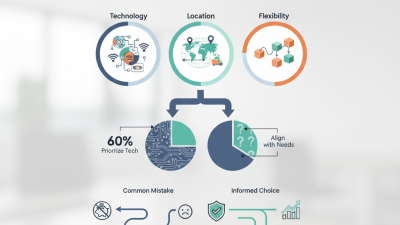
Choosing the right third party warehousing partner is crucial for your business. A reliable partner can streamline your supply chain. They should offer flexibility and scalability. Look for companies with a proven track record. This shows their reliability and expertise.
Evaluate their facilities. Are they clean and organized? Do they have modern technology? A partner with advanced systems can optimize your inventory management. Also, consider their location. Proximity to major transportation hubs can reduce shipping costs and improve delivery times.
Communication is key. Your partner should provide regular updates on inventory levels and order status. Transparency fosters trust. Seek feedback from their existing clients to gauge satisfaction. After all, choosing a partner often requires reflection. Assess your specific needs and future growth. Finding the right fit can make a significant impact on your operations.
Third Party Warehousing: Operational Efficiency Metrics