Starting a successful logistics business can be quite challenging. The logistics industry is complex and constantly evolving. Understanding the essential tips can make a significant difference.
One key aspect is to recognize the importance of a solid business plan. This plan should include clear goals and strategies. Additionally, it is vital to know your target market. Researching the needs of your customers will lead to better service offerings.
Financial management is another crucial area. It’s often overlooked but can determine your business's future. Many new entrepreneurs underestimate costs. Planning and budgeting can prevent severe financial pitfalls. Reflecting on operational efficiency will help improve your services. Every decision matters in the logistics business landscape, and thoughtful planning is essential for success.

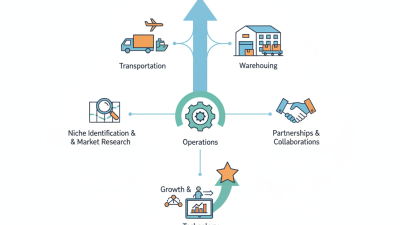
Identifying a profitable niche in the logistics industry requires careful analysis. It starts with market research. Understand customer needs. Explore trends in supply chain management. Focus on areas with high demand. Specialized services often attract loyal clients. For example, last-mile delivery is booming. Many companies struggle to manage this efficiently.
Another aspect to consider is the technological landscape. Innovations in logistics technology are shifting paradigms. Automation and tracking systems are essential. This creates opportunities for businesses that can offer tech-driven solutions. However, don't overlook traditional methods. Some clients prefer personal touch and reliability.
Reflect on your strengths too. What can you offer that others cannot? Perhaps it's expertise in a specific sector, such as cold chain logistics. Or maybe you have connections that others lack. Each choice comes with its challenges. The path won't be smooth. Be prepared to adapt and pivot as you learn more about your niche. Embrace the process, even when it feels messy.
Building a comprehensive business plan for logistics operations is crucial to success. In the logistics industry, 79% of companies without a solid plan fail within the first three years. It’s essential to analyze market needs and customer demands. A detailed market analysis can help identify gaps and opportunities. For example, understanding trends like e-commerce growth is vital. This trend is projected to reach $6.54 trillion by 2023, creating immense opportunities for logistics.
Cost management should be a key component of your plan. Logistics accounts for about 10% of the global GDP. This highlights the importance of operational efficiency. Evaluate transportation and warehousing costs regularly. Implementing technology can reduce expenses and increase productivity. However, not all tech solutions yield immediate results. Some may require time to integrate.
Setting clear, measurable goals fosters accountability. A common mistake is lack of clarity. Metrics like on-time delivery rates and customer satisfaction scores should guide your strategy. Additionally, relationships with suppliers can make or break your operations. Regularly reassess these partnerships to ensure they align with your evolving business needs. Adapting to change is necessary; the logistics landscape is always shifting.
Building strong partnerships is crucial in logistics. Suppliers and clients must feel valued. Establishing trust can take time. Begin by openly communicating your needs. Transparency creates a solid foundation. Share your vision and goals. This invites collaboration and innovation.
Focus on mutual benefits. Offer incentives to suppliers for better rates. Explore flexible payment terms with clients. These strategies encourage loyalty. Remember, relationships are a two-way street. Sometimes, misunderstandings can arise. Address issues promptly to maintain goodwill. Listen actively to their feedback. It shows you care about their needs.
Attend industry events to expand your network. Personal connections significantly enhance business opportunities. Not every partnership will flourish. Reflect on what went wrong in these cases. Learn and adapt your approach for future relationships. Building strategic partnerships is an ongoing journey. Patience is key to success.
| Tip Number | Tip Description | Key Benefits | Example Actions |
|---|---|---|---|
| 1 | Identify Reliable Suppliers | Consistent Quality and Timely Delivery | Research and vet potential suppliers thoroughly |
| 2 | Build Strong Client Relationships | Increased Customer Loyalty and Repeat Business | Regular communication and feedback sessions |
| 3 | Negotiate Favorable Terms | Better Pricing and Service Conditions | Discuss volume discounts and service guarantees |
| 4 | Utilize Technology | Improved Efficiency and Real-Time Tracking | Invest in logistics management software |
| 5 | Create a Clear Value Proposition | Attract More Clients | Define unique services and benefits clearly |
| 6 | Offer Flexible Solutions | Meet Diverse Client Needs | Develop customized logistics plans |
| 7 | Stay Compliant with Regulations | Avoid Legal Issues and Fines | Regularly review industry regulations |
| 8 | Optimize Supply Chain Management | Cost Reduction and Efficiency | Analyze and refine logistics processes |
| 9 | Focus on Sustainability | Attract Eco-Conscious Customers | Implement green logistics practices |
| 10 | Network with Industry Professionals | Access to New Opportunities | Attend industry conferences and seminars |
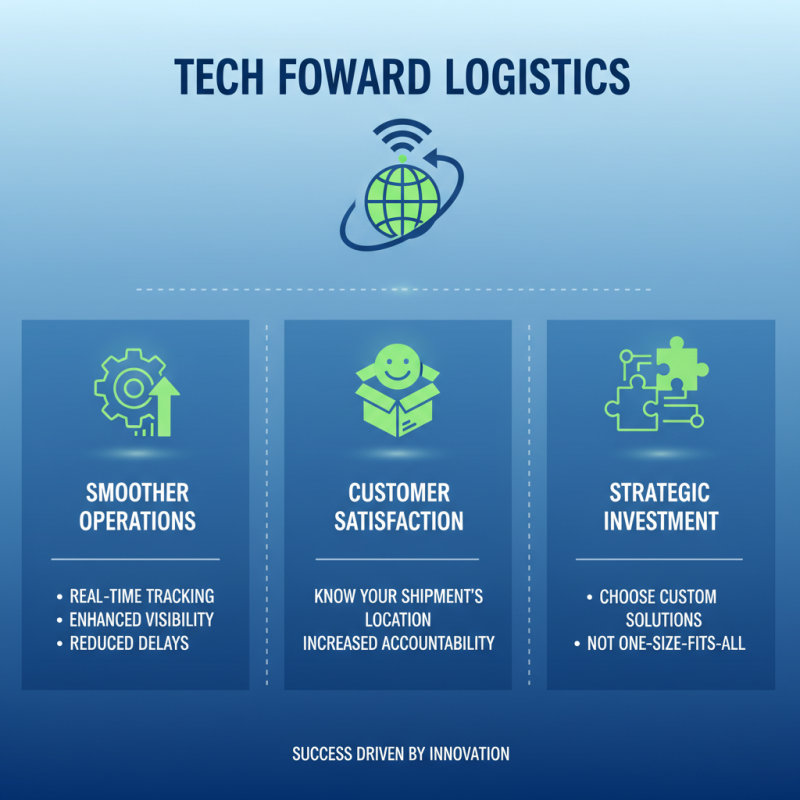
Investing in technology is crucial for a successful logistics business. With proper tools, operations become smoother. For instance, using real-time tracking software can enhance visibility and accountability. Customers appreciate knowing where their shipments are. A well-implemented system can reduce delays significantly. However, it's essential to choose a solution that fits your specific needs. What's right for one business may not work for another.
Equipping your team with the latest logistics tools can boost efficiency. Automation in warehousing can speed up processes, but it may require training. Staff must adapt to new systems. Not everyone will pick them up immediately, and that's okay. It's essential to encourage feedback during this transition phase. Poor implementation can lead to frustration and decreased productivity.
Additionally, data analytics tools can provide valuable insights. They can help identify trends and inefficiencies. However, relying solely on technology can be misleading. Regular assessments of both the tools and operations are necessary. Striking the right balance between human oversight and technological support is vital for long-term success. A thoughtful approach is required when integrating technology into logistics operations.
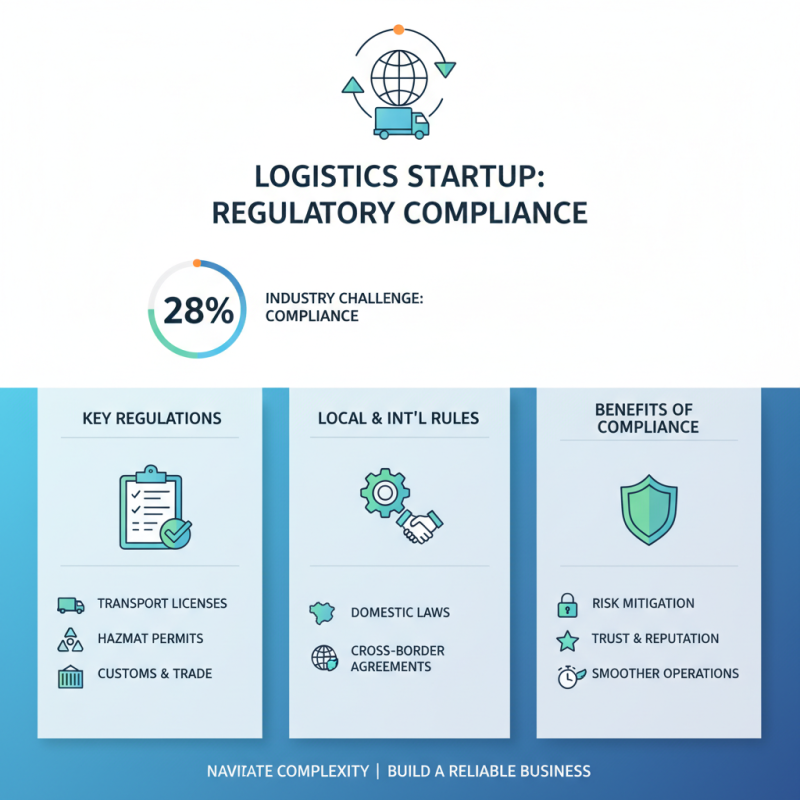
Starting a logistics business requires a solid understanding of regulatory requirements and compliance. The logistics industry is heavily regulated. For instance, approximately 28% of logistics companies reported compliance as their top challenge in a recent industry survey. Understanding local and international regulations can help navigate these complexities.
Licensing is crucial. Many regions require specific permits to operate a logistics business. Companies must stay updated on changes in regulations. Failure to do so can lead to hefty fines. According to a 2022 report, 45% of logistics firms faced penalties for non-compliance. This statistic emphasizes the importance of diligent regulatory adherence.
Training employees on compliance is essential, yet often overlooked. Many businesses neglect this, leaving staff unaware of regulations. Investing in compliance training can mitigate risks. Moreover, logistics firms should regularly audit their processes. This practice can reveal areas needing improvement. Industry data shows that companies conducting regular audits experience 30% fewer compliance issues. Understanding and addressing these factors is essential for success in the logistics sector.