China Top 10 Third Party Logistics Companies?
China’s logistics market is expanding beyond warehouses and delivery fleets. Third party logistics companies now coordinate manufacturing, freight, customs support, inventory, and technology across complex supply chains. This article examines China’s top 10 third party logistics companies and the capabilities separating them from ordinary transport providers.
Martin Christopher, a respected supply chain scholar and author, wrote, “Supply chains compete, not companies.” His observation remains highly relevant in China’s competitive logistics sector. A strong provider must connect factories, ports, distribution centers, and customers with measurable consistency. It should also provide shipment visibility, responsive communication, stable service coverage, and practical risk controls. Experience matters here. A company may advertise advanced platforms, yet daily performance depends on trained staff and disciplined operations.
This ranking considers network scale, industry expertise, technology adoption, service reliability, and customer reach. It also recognizes China’s regional differences. Coastal logistics may depend on port connectivity, while inland operations often require different transport solutions. No ranking is perfect. Public information can be incomplete, and company performance may vary by contract, location, and season. That limitation deserves attention.
Readers should treat the list as a practical starting point, not an absolute verdict. The best choice depends on cargo type, delivery priorities, budget, and required visibility. Careful evaluation still matters. A polished website is not proof of dependable execution. Real value appears when a provider solves delays, protects inventory, and communicates clearly under pressure.
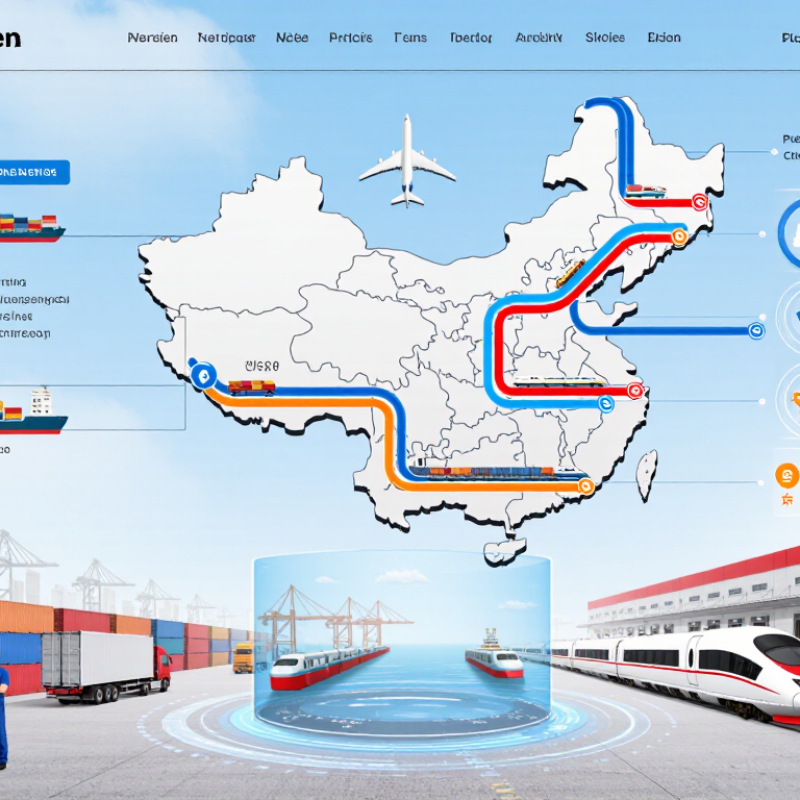
What Are Third-Party Logistics Companies in China?
Third-party logistics companies in China are external supply-chain partners. They manage transport, warehousing, order processing, customs coordination, and sometimes inventory planning for manufacturers, retailers, and exporters. The client owns the products, while the 3PL coordinates their movement and storage.
China’s logistics scale explains this role. The China Federation of Logistics and Purchasing reported that China’s total social logistics value reached about RMB 360.6 trillion in 2024, rising 5.8% year on year. This figure covers the wider logistics economy, not only 3PL services. Still, it shows the operating environment. A 3PL may receive cartons at a factory, scan each pallet, store goods near a port, and arrange delivery to several provinces.
Reliable providers usually offer warehouse management systems, shipment tracking, route planning, and measurable service levels. The World Bank’s Logistics Performance Index 2023 placed China among the stronger logistics performers, while also highlighting differences in customs, infrastructure, and delivery reliability. Conditions vary by region. A solution that works in coastal manufacturing zones may fail in inland areas. The boundary is not always clean. Some transport firms provide basic storage, while some warehouse operators arrange full distribution. Buyers should verify service scope, data accuracy, claims procedures, and emergency capacity before calling a company a complete 3PL partner.
How China’s Third-Party Logistics Industry Has Developed
China Top 10 Third Party Logistics Companies?
China’s third-party logistics industry has changed from basic transport coordination into an integrated supply-chain service. Earlier providers mainly arranged trucks, storage, and delivery documents. Today, many manage warehousing, inventory control, customs support, and digital tracking. This shift followed rapid manufacturing growth and rising consumer expectations.
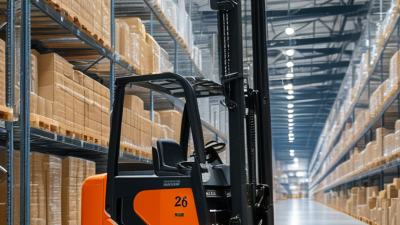
The change is visible inside modern distribution centers. Barcode scanners update stock records within seconds. Automated sorting lines move parcels across long warehouse floors. Regional hubs also connect factories with ports, cities, and inland markets. However, development remains uneven. Large operators can invest in software and equipment, while smaller providers often depend on manual processes. That difference affects speed, accuracy, and service consistency.
Reliable logistics companies now compete through measurable performance. Useful indicators include delivery accuracy, damage rates, inventory visibility, and response time during disruptions. Experienced customers also examine safety training, data protection, and contingency planning. A low price alone can hide delayed updates or weak coordination.
The industry still has room to improve. Some systems do not communicate smoothly, and rural coverage can be expensive. Human judgment remains necessary when weather, congestion, or sudden demand changes disrupt normal plans. The strongest providers are not simply moving goods faster. They are building clearer, more flexible supply networks.
China’s Top 10 Third-Party Logistics Companies
China’s top ten third-party logistics companies are not defined by size alone. Strong providers combine national transport networks, warehouse control, digital tracking, and trained local teams. Their services often cover road freight, rail connections, port transfers, fulfillment, and temperature-controlled delivery. A reliable operator should show clear delivery records, measurable claims procedures, and stable safety standards.
The leading group usually serves manufacturers, retailers, exporters, and online sellers. In practice, performance can change between coastal cities and inland provinces. A shipment leaving Shanghai may receive frequent updates, while a rural delivery needs more manual coordination. Good companies use route planning systems, barcode scanning, and real-time inventory checks. Human judgment still matters. Software cannot solve every delay.
Cost is only one part of the decision. Buyers should examine warehouse accuracy, driver training, insurance terms, and customer support response times. No ranking is permanent. Fuel prices, infrastructure upgrades, seasonal demand, and regional capacity can quickly change results. I would also question impressive network claims without recent performance data. Even a top provider may struggle with fragile goods, urgent orders, or remote destinations. Careful audits and small pilot shipments remain sensible before long-term cooperation.
China’s Third-Party Logistics Market: National Express Delivery Volume
National express delivery volume is used as a scale indicator for outsourced logistics demand and the operating environment of third-party logistics providers in China. The data covers 2019–2024 and is reported in billions of parcels.
Source: China State Post Bureau annual industry statistics. This chart describes market scale and does not rank individual companies or brands.
Services, Industries, and Regional Coverage of the Top Providers
China’s top ten third-party logistics providers are best compared by service depth, industry fit, and regional reach. Most offer freight forwarding, warehousing, customs coordination, inventory control, and last-mile delivery. Some also provide cold-chain transport, fulfillment, reverse logistics, and shipment tracking. These capabilities support electronics, automotive parts, medical supplies, apparel, food, and industrial equipment.
Regional coverage varies considerably. Large providers usually connect coastal gateways such as Shanghai, Shenzhen, Ningbo, and Qingdao with inland hubs near Chengdu, Wuhan, and Xi’an. Their networks may include bonded warehouses, rail links, cross-border airfreight, and delivery to smaller cities. In practical supplier reviews, I check warehouse locations, scanning procedures, damage rates, and response times. Promises can sound polished. Operational evidence matters more. A provider may have broad coverage but weak service in one province.
Tips: Ask for a lane-specific quotation, not a general rate. Request recent delivery data and insurance terms. Confirm whether tracking updates are real-time or manually entered. Visit a warehouse when possible. Also, test a small shipment before signing a long contract. This approach exposes hidden handling fees and communication gaps. Some evaluations remain imperfect because performance changes during peak seasons. That limitation deserves attention.