
Skip to content

2026 Top Touch Screen Device Types for Global Buyers

In 2026, the Touch Screen Device market will serve more than personal communication. Global buyers will compare smartphones, tablets, self-service kiosks, retail POS terminals, industrial panels, vehicle displays, and medical interfaces. Each category solves a different problem. Each also creates different purchasing risks.

Steve Jobs, Apple co-founder, described the essential advantage clearly: “We’re going to use the best pointing device in the world. We’re going to use a pointing device that we’re all born with—born with ten of them. We’re going to use our fingers.” His observation still matters, but modern procurement requires more than intuitive control. Buyers must examine brightness, touch accuracy, glove compatibility, operating temperature, ingress protection, repair access, software support, and long-term availability.

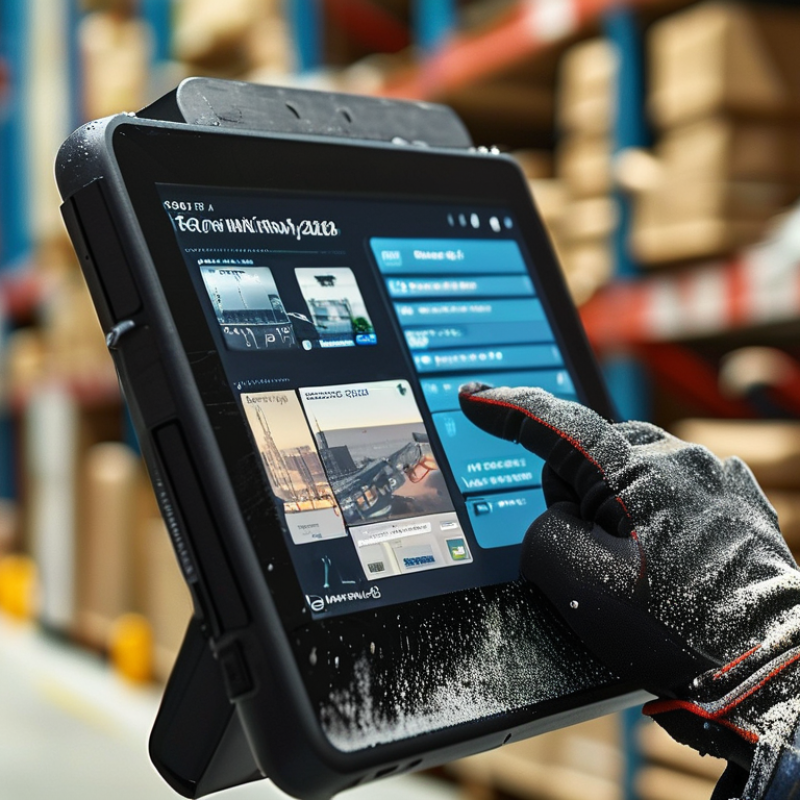
Small details decide real performance. A warehouse operator may touch a screen with dusty gloves. A restaurant kiosk may face constant cleaning. A driver may need readable controls under direct sunlight. A hospital panel must respond reliably without creating unnecessary workflow delays. These conditions make specifications more valuable than attractive product images.

The following guide reviews the top Touch Screen Device types for global buyers in 2026. It connects market demand with practical selection criteria, supplier reliability, and deployment experience. Some categories overlap. That is the difficult part. A device marketed for retail may perform poorly in industrial environments, while a rugged panel may exceed a small business’s needs and budget. Careful comparison remains essential.
2026 Top Touch Screen Device Types for Global Buyers

2026 Device Taxonomy: IDC’s 1.24B Smartphone Shipments Anchor Demand

In 2026, IDC’s projected 1.24 billion smartphone shipments will anchor global touch screen demand. Smartphones remain the most familiar interactive device, from retail counters to remote workspaces. Buyers often compare screen brightness, touch accuracy, battery endurance, and regional network compatibility. A display that works poorly under sunlight creates immediate operational friction.

The wider device taxonomy includes tablets, self-service kiosks, vehicle panels, industrial terminals, and smart payment interfaces. Each category serves a different environment. Tablet buyers may prioritize low weight and stylus response. Kiosk operators need stronger glass, easy cleaning, and reliable touch performance during heavy daily use. Industrial teams should test glove operation, moisture resistance, viewing angles, and screen latency before placing large orders.

Small details matter.

During field evaluations, a screen can respond perfectly in a showroom but fail with wet fingers or protective film. That gap deserves attention. Procurement teams should request sample units, review repair procedures, and verify software support periods. Certifications and documented quality controls also strengthen supplier reliability. Still, battery aging, recycled materials, and long-term parts availability are sometimes treated as secondary concerns. They should not be. A lower purchase price may hide frequent replacements, inconsistent calibration, or avoidable downtime.

2026 Top Touch Screen Device Types for Global Buyers - 2026 Device Taxonomy: IDC’s 1.24B Smartphone Shipments Anchor Demand
Device Type Typical Display Size Primary Touch Interface Common Deployment Environment Core Buyer Requirements 2026 Demand Role Relevant Technical Criteria
Smartphones Approximately 4.7–7 inches Projected-capacitive multi-touch Consumer mobility, field work, communications and digital services High brightness, low power consumption, scratch resistance, strong touch sensitivity and cellular connectivity Anchor category
IDC’s referenced 2026 shipment forecast of 1.24 billion units makes smartphones the largest volume driver for touch-enabled devices.
Cover-glass strength, outdoor readability, glove compatibility, display refresh rate, water resistance and long-term component availability
Tablets Approximately 7–14 inches Projected-capacitive multi-touch, often with active-pen support Education, hospitality, healthcare, retail and home entertainment Light weight, durable enclosure, long battery life, wide viewing angles and easy device management High-volume adjacent category
Demand is supported by mobile productivity, digital learning and shared-service applications.
Pen accuracy, palm rejection, drop resistance, antimicrobial surface options, charging-cycle life and operating-system compatibility
Touchscreen Laptops and 2-in-1 PCs Approximately 11–17 inches Projected-capacitive multi-touch with optional stylus input Office work, creative production, education and mobile productivity Low input latency, hinge durability, precise pen performance, high resolution and efficient thermal design Productivity-led growth
Touch capability is increasingly used where keyboard, trackpad and direct screen interaction must coexist.
Digitizer integration, anti-glare treatment, hinge-cycle testing, palm rejection, color accuracy and energy efficiency
Smartwatches and Wearable Displays Approximately 1–2 inches Projected-capacitive touch, crown or button-assisted navigation Personal health, fitness, notifications and contactless services Low power consumption, sunlight readability, compact sensors, water resistance and reliable touch through light moisture Fast-growing niche
Touch demand is linked to health monitoring, short-form notifications and hands-free mobile use.
Optical bonding, low-power display modes, sweat and water tolerance, small-form-factor reliability and biometric sensor integration
Automotive Touch Displays Approximately 7–17 inches per display zone Projected-capacitive touch with physical controls or haptic feedback Instrument clusters, center consoles, rear-seat entertainment and vehicle controls Wide temperature tolerance, optical clarity, low reflection, vibration resistance and safe operation while driving Long-cycle OEM demand
Vehicle electrification and software-defined interiors are expanding the number of in-cabin touch interfaces.
Automotive-grade qualification, sunlight performance, dielectric-glove operation, electromagnetic compatibility and extended service life
Point-of-Sale and Payment Terminals Approximately 3–15 inches Projected-capacitive or resistive touch, depending on enclosure and glove use Retail counters, restaurants, transport hubs and mobile commerce Fast response, tamper-resistant construction, easy cleaning, payment-security integration and continuous-duty reliability High replacement demand
Cashless payments, self-service checkout and distributed retail operations sustain demand for compact touch terminals.
EMV-compatible integration, chemical resistance, privacy filtering, secure enclosures, thermal management and serviceability
Self-Service Kiosks Approximately 10–32 inches Projected-capacitive multi-touch or infrared touch for larger formats Airports, hospitals, hotels, retail stores and public services High uptime, vandal resistance, accessibility, easy sanitation and visibility in bright indoor environments Deployment expansion
Labor-saving automation and multilingual self-service applications continue to broaden kiosk use.
Impact-resistant cover glass, thermal control, accessibility height, high-touch-cycle endurance and remote monitoring
Industrial Human-Machine Interfaces Approximately 4–24 inches Projected-capacitive, resistive or infrared touch Factories, warehouses, utilities and process-control environments Operation with gloves, resistance to dust and liquids, wide temperature range and long product availability Mission-critical demand
Industrial digitization and connected equipment require durable touch interfaces for monitoring and control.
IP-rated sealing, shock and vibration resistance, glove touch, anti-glare coatings, industrial communication support and panel-mount options
Medical Touchscreen Devices Approximately 5–27 inches Projected-capacitive or resistive touch with clinical-use surface options Patient monitoring, diagnostic equipment, medical carts and clinical workstations Easy disinfection, accurate input, low noise, reliable operation and compatibility with regulated equipment systems Regulated growth segment
Healthcare digitization increases demand for cleanable and dependable touch interfaces.
Disinfectant resistance, sealed edges, medical electrical-safety requirements, antimicrobial options and glove usability
Interactive Education and Meeting Displays Approximately 55–86 inches Infrared multi-touch or projected-capacitive touch Classrooms, training rooms, conference spaces and collaborative workplaces Large viewing area, multi-user touch, low writing latency, strong speakers and easy wireless content sharing Project-based demand
Hybrid learning and collaboration programs support purchases of large-format interactive displays.
Touch-point count, optical bonding, anti-glare glass, pen tracking, wall-mount safety and continuous-use thermal design
Data basis: Device categories and technical characteristics reflect established global product classifications and common procurement specifications. The smartphone shipment reference follows the 2026 IDC forecast stated in the title; shipment figures for the other categories are intentionally not estimated because volumes vary substantially by definition, region and reporting methodology.

Smartphones and Tablets: Touch Mobility Across Consumer and Business Markets

2026 Top Touch Screen Device Types for Global Buyers

Smartphones and tablets are becoming practical touch mobility tools across consumer and business markets. A phone fits a crowded train, while a tablet gives field workers a larger visual workspace. Buyers should compare screen size, touch accuracy, battery endurance, repair access, and cellular compatibility. Small details matter. In daily use, wet fingers, gloves, bright sunlight, and repeated tapping expose weak design choices. For consumers, a responsive display supports navigation, payments, video calls, reading, and casual gaming. For businesses, the same interface can support inventory checks, delivery records, inspections, and customer registration.

In procurement reviews, mobility needs differ sharply between a commuter and a warehouse supervisor. A lightweight smartphone may suit quick approvals, but its narrow keyboard can slow long reports. A tablet can improve form completion and image review, yet it needs stronger cases and safer storage. Not every large screen is better. Buyers should test touch latency with common work gloves and measure battery loss during real shifts. They also need clear software update policies, accessible service channels, and documented security controls. These checks indicate reliability more clearly than a glossy specification sheet.

Global purchasing adds network bands, language support, charging standards, data protection rules, and local warranty conditions. A device that performs well in one region may create support delays elsewhere. Field testing can reveal overlooked issues, such as awkward menus, slippery edges, or tiring one-handed use. That mistake is easy to repeat. Some buyers may accept imperfect camera quality when durability and long service life matter more. In one trial, a modest tablet won because workers could read forms without constant zooming.

2026 Top Touch Screen Device Types for Global Buyers

Smartphones and tablets remain the core touch-mobility device categories across consumer and business markets. The chart compares worldwide shipment volumes from 2020 to 2024.

Source: IDC Worldwide Quarterly Mobile Phone Tracker and Worldwide Quarterly Tablet Tracker. Figures are rounded and shown in millions of units.

Touchscreen PCs: IDC’s 273M 2025 PC Shipment Forecast and Hybrid Work

IDC’s forecast of 273 million PC shipments in 2025 highlights a resilient market shaped by hybrid work. Touchscreen PCs fit this shift by combining desk-based productivity with more direct interaction. Employees can review documents, annotate designs, or join meetings from a kitchen table. A responsive display also reduces the distance between ideas and actions.

In practical use, screen size and hinge quality matter as much as touch accuracy. A 14-inch panel can fit a crowded train table, while a larger display suits shared planning sessions. Anti-glare glass helps near bright windows. Reliable wireless connectivity remains essential for cloud files and video calls. These details often decide whether a device feels useful after several weeks.

Yet the forecast does not guarantee equal demand across every region. Buyers still weigh repair access, keyboard comfort, security controls, and total ownership costs. Touch is helpful, but it cannot replace every shortcut or precise mouse action. I sometimes reach for a keyboard anyway. That habit is worth considering before choosing a touchscreen model for an entire team. Warehouses, classrooms, and home offices may also need different durability standards, support policies, and accessibility features.

Industrial HMIs and POS Systems: Omdia Data on Automation and Display Demand

Industrial HMIs and POS systems are becoming major touch screen device categories for global buyers. Omdia’s display demand research forecasts steady growth in display area demand through 2032, near 3% annually. That growth reflects more control panels, kiosks, and compact operator stations. In factories, a seven-inch HMI may sit beside a conveyor, showing alarms, temperature, and production speed. In retail, a bright 15-inch POS screen must remain readable under strong ceiling lights.

The buying decision is not only about resolution. Industrial users need glove operation, sealed enclosures, wide temperature tolerance, and stable touch accuracy. POS operators value fast response, easy cleaning, and clear payment workflows.

Omdia’s automation equipment analysis links connected production with rising demand for human-machine interfaces. Meanwhile, the Worldpay Global Payments Report 2024 recorded digital wallets at about 50% of global e-commerce transaction value in 2023, increasing pressure on checkout displays.

These figures support demand, but they do not guarantee a universal configuration. A factory near a furnace needs different protection than a quiet indoor store. Buyers should test glare, vibration, cleaning chemicals, and network recovery before approving large orders. This step is often skipped. That is a weakness. Evaluation should also include repair access, lifecycle availability, and local compliance documentation. Forecasts can miss sudden supply disruptions, so practical testing still matters.

Automotive Touchscreens: S&P Global Mobility Data on Connected-Cockpit Growth

Automotive touchscreens are becoming central to the connected cockpit. Recent S&P Global Mobility analysis points to continued growth in connected-cockpit adoption worldwide. Vehicles now combine navigation, vehicle settings, media, safety alerts, and smartphone services on larger digital displays.

For global buyers, screen size alone should not determine purchasing decisions. Drivers need clear menus, responsive touch performance, and readable graphics under direct sunlight. Haptic feedback can reduce eyes-off-road time. Voice control also supports safer interaction, especially on busy urban roads. From practical evaluations, poor interface design can make advanced hardware frustrating. That risk is easy to underestimate.

Tips: Check brightness, glove response, viewing angles, and software update support. Test the touchscreen while seated, not only on a showroom stand. Ask whether essential functions remain available during weak network coverage. Also review local data privacy requirements before deployment. Connected features may improve convenience, but they can increase system complexity. S&P Global Mobility data offers useful market direction, yet forecasts are not flawless. Buyers should compare regional driving habits, climate conditions, repair capabilities, and user expectations before selecting a touchscreen platform.

“Guardian has been a tremendous help in providing storage and distribution solutions for AIR Global. We came to Guardian with a need, and they quickly found a solution for us at a very reasonable price. Our business is very demanding, especially during busy periods, and Guardian has been flexible and able to accommodate all requests with less than 48 hours’ notice. April, our main contact, has been extremely helpful in making sure our orders are shipped on time and that our inventory is accurate. I highly recommend using Guardian and look forward to continuing our relationship for many years to come.”

Matt Buffington
Director of Supply and Operations
Americas

“The Guardian Logistics Team is responsive and helpful on a consistent basis.  This removes a tremendous amount of stress and gives us incentive to route cargo that will touch your dock. Thanks for all that you do!!!”

Charles Reel
Branch Manager
Scan Global Logistics

“I recommend with great confidence, Guardian Logistics Solutions and owner, Brent Smith to whomever needs top shelf deliveries including Last Mile, White Glove, Residential and Commercial.

I have known GLS since its inception. Guardian is always looking for the right answer to solve the customer’s problem. I can, without hesitation, recommend Guardian Logistics to any company that is looking for the best service in their coverage area. They will team with you to create a solution that suits your needs and ensure you are satisfied with the outcome.”

Steven T. Nelson

“I highly recommend Guardian Logistics Solutions. The professionalism and communications offered by the team, along with speediness, cost saving solutions and attitude is a testament to the fact that this is one of the most important partners you can have in the freight movement business.

The company offers exemplary service, they continuously exceed our expectations and that of the importers, they help us service, Guardian Logistics Solutions is the best solid business partner you should add to your company.”

Ubaldo Sierra
Maersk Customs Brokers
General Manager

“Guardian Logistic Solutions is one of those rare companies who under-promise-and-over-deliver EVERY single time!”

James Burke
Manager, Sales Team
OLIMP Warehousing

“I want to thank the team at Guardian for the excellent service we have received.
The shipments have been professionally handled and freight arrives timely and in good order at a fair price. Communication is a very important part of the handling and Guardian does a great job of communication through the delivery.”

Cheri Zetrouer
Access Worldwide
Customs Brokers & Freight Forwarders

“I am very lucky to have found Guardian Logistics to help with our freight needs.  Our business is a bit unique in that we only receive a shipment every 2-3 months and we have to stick to a very strict time schedule in order to unload the delivery.  We found it virtually impossible to consistently coordinate with logistics companies to have shipments arrive on time and when they were expected. After multiple frustrating scenarios, our broker introduced us to Guardian Logistics who handled all of our shipments recently to perfection. Our shipments have arrived on time, when expected, with friendly and helpful drivers.  We will only be using Guardian moving forward for all of our shipping and freight needs. I couldn’t recommend them strongly enough!”

Trey Conrad
Owner
Patriot Power Source

“We have been working with the Guardian company for several years now and I can say without a doubt that their entire team cares about the service they provide. Their personal interest in their customers’ success makes them a standout in the world of final mile delivery.

I highly recommend Guardian for anyone requiring outstanding services in warehousing and final mile delivery programs.”

Frank Ianucilli
Director of Final Mile Operations
Werner Enterprises

“At WeFixFreight.com, client satisfaction is our main priority.  We are proud to partner with the top notch team at Guardian to bring our customers nothing but the best service when it comes to freight reworks, cross docking services, and final mile delivery.”

Bill Carlin
CEO
WeFixFreight.Com

“The Guardian Logistics staff has always been exceptional, and these days, with all the competition out there, it’s the service that matters. We appreciate all they do and look forward to continuing our business with GLS.”

Cathy Avolio
Ocean Import Manager
Mallory Alexander Int'l Logistics (NY), LLC
Back To Top