What Is a Modular Container?
A Modular Container is a prefabricated unit made for transport, placement, and use as a functional space. It may serve as an office, classroom, clinic room, storage area, or temporary staff facility. Unlike a standard cargo container, it is often designed around people, with doors, windows, insulation, lighting, and finished interiors. The exact features depend on the manufacturer and intended use. Some units are built for repeated relocation; others are installed for longer periods. The name alone does not guarantee a particular layout or level of durability.
Construction usually begins in a factory, where frames, wall panels, floors, and service systems are assembled under controlled conditions. Completed modules are then delivered to a prepared site and connected or positioned as needed. Some designs can be joined side by side or stacked, but not every model supports stacking. Site access, foundations, weather exposure, and utility connections all affect the result. Small details matter. A narrow delivery route can change the installation plan, while poor insulation may make a room uncomfortable in hot or cold weather. It is worth checking specifications rather than relying on product labels. The term is not perfectly consistent across suppliers, and that can be confusing. A useful comparison considers materials, dimensions, fire and thermal performance, maintenance needs, and relocation requirements. Modular construction can make space available quickly, but it is not automatically cheaper or better for every project. The right choice depends on how the unit will be used, where it will sit, and how long it must perform.
What Is a Modular Container?
A modular container is a prefabricated unit designed to be transported and used alone or joined with other units. Some follow standard shipping-container dimensions; others use custom sizes. Corner fittings, lifting points, and frame strength determine how modules can be moved or stacked. The interior might hold a workroom, classroom, or clinic, with insulation, wiring, and ventilation chosen for its use. Small details matter.
Factory assembly can let site preparation happen at the same time, but results depend on design and logistics. McKinsey & Company’s 2019 report, “Modular construction: From projects to products,” estimates that modular methods can reduce construction time by 20–50% and costs by up to 20%. These are potential gains across modular construction, not guaranteed results for every container project.
Before selecting a unit, check its intended occupancy, local climate, access routes, foundation, and connection details. A module that looks ready in a yard may need substantial site work to perform well. Ask for documented load ratings and plans for fire safety, moisture control, and utilities. I’d also leave room in the schedule for adjustments; site conditions rarely match drawings perfectly.
Key Components and Structural Features of Modular Containers
What Is a Modular Container?
Key Components and Structural Features of Modular Containers
A modular container relies on a load-bearing frame, corner posts, and reinforced corner fittings. These parts transfer weight through the structure and help connect units. ISO 668:2020 specifies standard dimensions for freight containers: a common 20-foot unit measures about 6.06 metres long and 2.44 metres wide. Height varies by type, so confirm the specification before planning stacked or joined modules.
Wall panels, roof sheets, and a floor deck enclose the frame. Insulation, service openings, and door assemblies can change how the shell performs. Check joints and seals closely; a small gap can let in water or air.
One detail is easy to miss. UNCTAD’s Review of Maritime Transport 2024 reports that global container port throughput reached 858.9 million TEUs in 2023, up 2.4% from 2022. That figure describes port traffic, not modular building demand, but it shows the scale of container handling behind standardized dimensions.
Real-world performance still depends on materials, fabrication quality, and site-specific loading. A neat drawing does not guarantee a perfect fit.
Common Types and Configurations
What Is a Modular Container? Common Types and Configurations
Modular containers are factory-built units designed for transport and assembly on site. Their layouts can be adapted to suit offices, classrooms, temporary clinics, or staff facilities. A single unit may contain one open room, while a partitioned configuration can provide a meeting area and a small storage space. Simple, but not always sufficient.
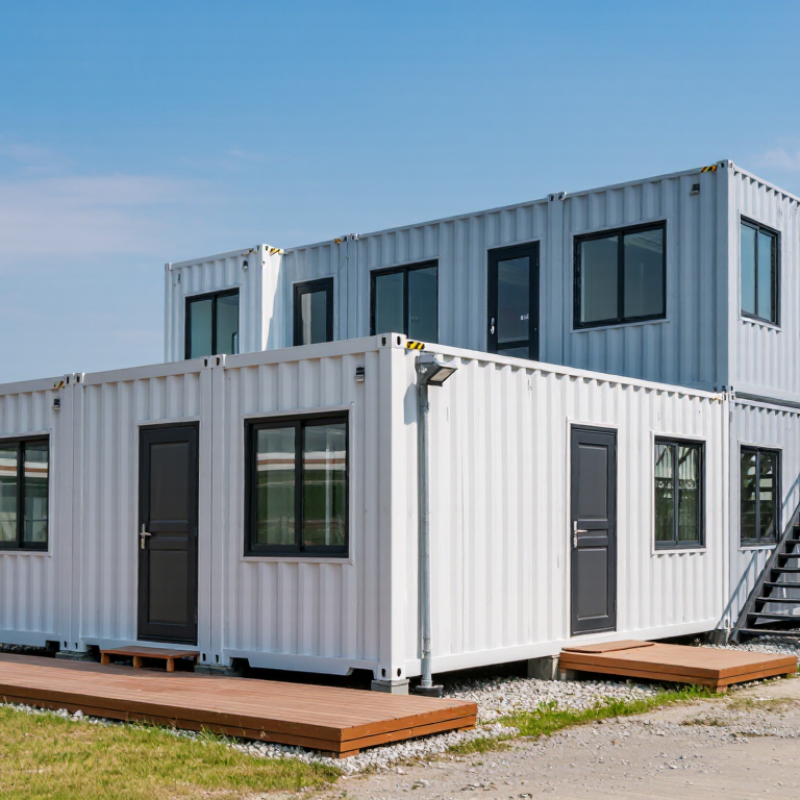
Expandable units fold or slide outward after delivery, creating more usable floor space without transporting a full-size building. Multi-unit configurations connect separate modules side by side, or stack them when the structure and site conditions allow. Doors, windows, stairs, insulation, and utility connections affect how well each arrangement works. In practice, the best layout depends on access, intended use, climate, and the time people will spend inside. A drawing may look efficient, yet feel cramped once desks and equipment are installed.
Tips: Measure furniture and walking routes before choosing a layout. Check delivery access, foundations, ventilation, and utility locations with qualified professionals. Keep it practical. A small overlooked detail, such as a door swing, can disrupt daily use. Conversely, adding extra rooms without a clear purpose can increase setup and operating demands.
How Modular Containers Are Designed and Assembled
A modular container is a building unit designed for repeatable transport and assembly. Its layout begins with a clear purpose, such as storage, a workroom, or temporary accommodation. Designers set the frame dimensions, door locations, and service routes before selecting wall and roof panels. Steel framing may carry the loads, while insulated panels help control heat and noise. Openings need careful placement; a door cut into the wrong area can weaken the frame. The drawings should also account for lifting points and how units connect on site.
Assembly starts with a level base and a checked frame. Workers align the corner posts, secure the main connections, and verify that the unit is square. Then they fit the floor, wall, and roof panels, sealing joints against drafts and water. Electrical or plumbing routes are planned before panels close the cavities. Each connection needs inspection, not just a quick glance. Site tolerances can complicate a neat drawing, and this step is easy to underestimate. A slight mismatch may affect doors, seals, or adjoining units.
Tips: Keep fasteners and sealant specified in the assembly plan. Check diagonals before tightening connections, and photograph concealed services before closing the walls. Small gaps matter.
Applications, Benefits, and Limitations of Modular Containers
What Is a Modular Container?
Applications, Benefits, and Limitations of Modular Containers
A modular container is a factory-built unit designed for use alone or alongside other units. Common applications include site offices, classrooms, clinics, and small retail spaces. A crane can place a finished unit on prepared ground, while connected modules create larger interiors. McKinsey’s 2019 report on modular construction estimates that the approach can shorten project timelines by 20–50%. That figure covers modular construction broadly, not container projects alone. Still, it shows why controlled factory work can help when schedules are tight. Less on-site assembly can also reduce weather delays.
The advantages depend on the design. Standardized dimensions can simplify transport and repeat installation, and durable steel frames can handle frequent moves. But a metal shell is not automatically comfortable. Poor insulation can leave rooms cold in winter, hot in summer, or prone to condensation. Doorways, ceiling heights, and window placement may also limit how the space works. Utility connections and site preparation add costs that a basic unit price may not reveal. The box can mislead.
Tips: Check insulation, ventilation, and floor loading before ordering. Ask how the unit will be lifted, connected, and anchored at your site. Compare the delivered, installed cost—not just the empty shell. A careful site check can prevent expensive surprises.
