Why Is SILIMER 5090 Used in Plastic Processing?
Plastic processing is rarely controlled by one variable. Melt temperature, screw speed, die design, and resin choice all shape the final result. Yet friction inside equipment can also affect flow, surface appearance, and production consistency. SILIMER 5090 is used as a processing additive to help manage these challenges in suitable polymer formulations.
During extrusion or molding, an additive that improves lubrication may help the melt move more smoothly through screws, dies, and molds. Processors may use SILIMER 5090 to support better processing flow, reduce sticking, and improve surface quality. These effects can matter when a line shows uneven output, rough film, or deposits around a die. Small changes can be visible. However, performance depends on the resin, dosage, equipment, and processing conditions. A result seen in one formulation should not be assumed for another.
That is why trials matter. Compare the material with and without SILIMER 5090, while keeping temperatures and line settings consistent. Check output stability, surface finish, equipment deposits, and any effect on downstream printing or bonding. Follow the current technical data sheet and confirm compatibility with the specific resin system. More additive is not automatically better. It may change properties that were not the original concern. SILIMER 5090 can be a useful processing tool, but it is not a universal fix; careful testing helps establish where it genuinely adds value.
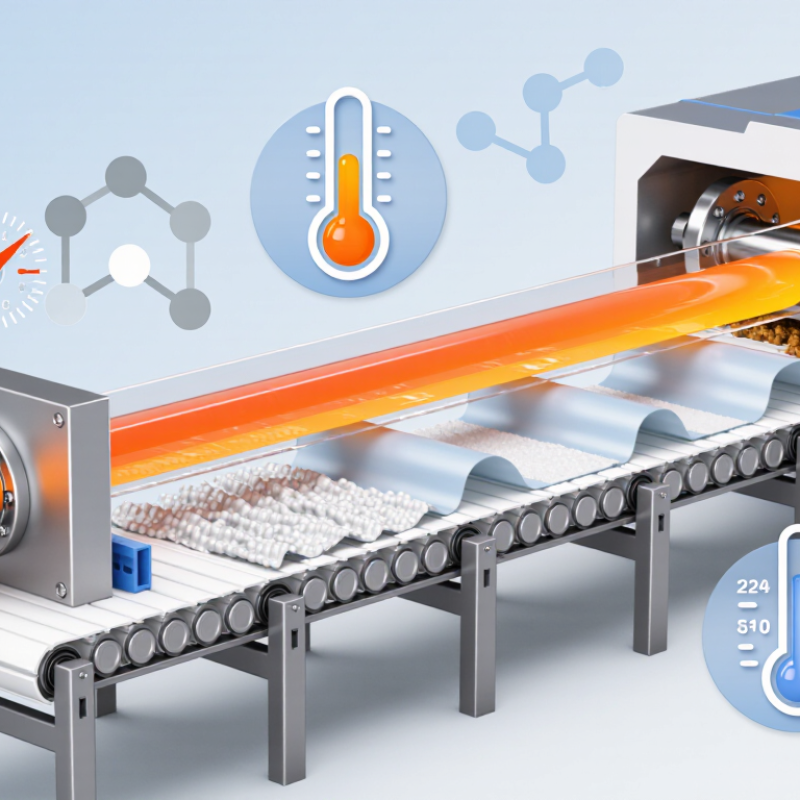
What SILIMER 5090 Is and Its Role in Plastic Processing
SILIMER 5090 is a silicone-based processing aid used in thermoplastics. It can help melt flow, reduce friction at the die surface, and improve release during extrusion or molding. On a production line, that may mean steadier output and less material sticking around the die lip. Small changes matter. Its effects depend on the resin, dosage, temperature, and screw design, so results should be checked on the actual line rather than assumed.
The scale of production makes these details relevant. The OECD’s Global Plastics Outlook (2022) reports that global plastics production rose from 234 million tonnes in 2000 to 460 million tonnes in 2019. Plastics—The Facts 2024 puts 2023 global production at 413.8 million tonnes. These figures describe a large, varied sector, not a single processing condition. A processing aid may support smoother running, but it cannot correct poor drying, unstable temperatures, or worn equipment.
In practice, processors can compare pressure, torque, output, and visible die deposits before and after adding the material. Record the formulation and operating conditions. That sounds obvious, yet it is often missed. Too much additive may affect surface appearance or downstream bonding, while too little may show no measurable benefit. A short controlled trial is more useful than relying on a general claim.
How SILIMER 5090 Works During Polymer Processing
During polymer processing, a silicone-based processing additive disperses through the molten resin. Under heat and shear, some additive can enrich the boundary between the melt and metal surfaces. This lowers friction at the die and may reduce melt fracture, die build-up, and uneven flow. The result can be a steadier strand, cleaner die lips, or smoother film. Small changes matter.
The need is substantial: the OECD’s Global Plastics Outlook reports that worldwide plastic production reached 460 million tonnes in 2019, roughly twice its 2000 level. At that scale, small gains in processing stability can affect output and scrap. Still, the additive is not a plug-in cure. Its effect depends on resin type, dosage, temperature, screw design, and residence time. Too little may show no clear change; too much can affect surface feel or later printing and bonding. Processors should compare matched runs, tracking melt pressure, line speed, die deposits, and finished-part performance. Results can be less tidy than expected. A short production trial helps separate a real improvement from normal machine variation.
Why Is SILIMER 5090 Used in Plastic Processing? — How SILIMER 5090 Works During Polymer Processing
Typical melt-processing temperature windows for selected polymers (approximate; actual settings vary by grade and equipment).
During melt processing, a compatible processing aid can reduce friction at polymer–metal surfaces, helping the melt flow through equipment and release from tooling. The temperature ranges shown provide context for the processing stage; they are not product-specific performance measurements.
Which Processing Challenges SILIMER 5090 Can Address
Plastic processors often struggle with unstable melt flow, high die pressure, sticky deposits, and rough surfaces. These issues can cause stoppages, extra cleaning, and rejected parts. Small defects matter. A silicone-based processing aid may reduce friction between polymer melt and metal surfaces. This can support smoother extrusion, steadier output, and easier release, depending on the resin, dosage, and machine settings.
The scale makes consistency worth attention. Plastics Europe’s Plastics – the Fast Facts 2024 reports 413.8 million tonnes of global plastics production in 2023. OECD’s Global Plastics Outlook reports 460 million tonnes produced in 2019 and 353 million tonnes of plastic waste generated that year. These figures do not measure processing scrap specifically. They do show why small yield losses deserve scrutiny in high-volume manufacturing. Real improvement needs line data, not a brochure claim.
During trials, compare motor load, die pressure, throughput, surface appearance, and cleaning intervals. Check whether the additive affects downstream printing or sealing. Not a cure-all. A smoother surface alone does not prove better dispersion or lower total cost. Test the exact polymer blend and document results. Some lines may show little benefit. That is worth admitting.
How It Affects Product Quality and Production Efficiency
In plastic processing, a processing aid such as SILIMER 5090 can influence both melt behavior and finished-part consistency. By reducing friction between the polymer melt and metal surfaces, it may help the material flow more evenly through the screw, die, or mold. Operators may notice steadier extrusion, fewer surface streaks, and less material sticking around the die lip. Small changes matter.
More stable flow can reduce visible defects and make dimensions easier to control, particularly during longer production runs. Lower friction may also reduce pressure fluctuations and help limit residue buildup, so operators spend less time cleaning equipment. The result depends on the resin, temperature, dosage, and machine setup; an additive cannot correct poor drying or an unsuitable process window. There is a trade-off, too: excessive use may affect printing, coating, or bonding, so the surface should be checked for the next production step.
Tips: Start with a small trial dose and change one setting at a time. Compare melt pressure, output rate, surface appearance, and cleaning intervals against a baseline. Keep samples from both runs. A smoother surface can look better, yet still need adhesion testing. Do not rely on appearance alone.
What to Consider When Selecting and Using SILIMER 5090
When evaluating SILIMER 5090, start with the resin and the problem you need to solve. A smoother surface alone may not indicate better processing. Consider whether the material must reduce friction, prevent sticking, or support stable output. Resin type, filler content, and production temperature can all affect performance. Small details matter.
Check the current technical data sheet for recommended addition levels and handling instructions. Do not assume that a dosage used in one resin will work in another. During a controlled trial, record the feed rate, melt temperature, screw speed, and visible die buildup. Compare pressure, output, surface feel, and any later printing or sealing results. Keep other settings constant where possible. That makes changes easier to interpret.
Watch for trade-offs. A processing aid may improve release but affect a downstream operation, depending on the formulation. Test samples under the conditions they will actually face, not just at the extruder. A short run can mislead. Repeat promising trials, and check more than one production batch before adjusting routine settings. If results vary, review the raw materials and mixing method before blaming the additive.