Skip to content

Why Is Warehouse and Inventory Management Important?

A warehouse may look orderly, yet a misplaced carton can delay an entire customer order. A picker checks a shelf, scans a barcode, and finds that the system shows six units while only four remain. That mismatch can cause missed shipments, rushed replenishment, or stock that sits unused. Small errors matter. Warehouse and inventory management helps businesses track goods as they arrive, move through storage, and leave for customers. It connects daily warehouse work with purchasing, sales, and fulfillment decisions.

Reliable practices can improve visibility, reduce avoidable handling, and help teams plan around real stock levels. Clear labels, regular cycle counts, and accurate receiving records give staff practical ways to spot problems early. Technology can support this work, but software alone cannot fix inconsistent processes or poorly maintained data. Results also depend on product mix, demand patterns, staff training, and the quality of each transaction. No system is perfect. A count may still be wrong, and a forecast can miss a sudden change. That is worth admitting. Reviewing discrepancies and adjusting procedures helps managers understand where controls are failing. This guide explains why warehouse and inventory management matters, what its core practices involve, and how careful operations can support dependable service without promising effortless results.

Why Is Warehouse and Inventory Management Important?

What Warehouse and Inventory Management Includes

What Warehouse and Inventory Management Includes

Warehouse and inventory management covers the movement of goods from arrival to dispatch. It starts with receiving: staff check quantities, inspect visible damage, and compare deliveries with purchase records. A mismatch should be recorded while the details are fresh. Small errors travel.

Next comes putaway. Each item needs a suitable storage location, clear labeling, and an accurate record of where it sits. Fast-moving products may belong near packing areas, while fragile goods need protection from heavy loads. The best layout depends on the building, order patterns, and handling equipment. A neat floor plan alone cannot fix poor habits.

Inventory control keeps the digital count close to the physical count. Teams update records after receipts, picks, returns, and adjustments. Regular cycle counts can catch discrepancies before a full stocktake, though counting itself can interrupt work. No process stays perfect.

A dashboard may show enough stock while one damaged carton makes the usable quantity lower. Picking, packing, and dispatch then connect warehouse work to customer orders, with checks that confirm the right item and quantity leave. Replenishment rules help prevent empty pick locations, but settings need review when demand changes.

People, procedures, storage space, and reliable records all matter.

How Goods Move Through Warehouses and Inventory Systems

A warehouse is more than a place to store boxes. It is a sequence of handoffs. Goods arrive at a receiving dock, where staff check quantities and inspect visible damage. Each item is then labeled and moved to a storage location. Clear location records help workers find products without searching aisle by aisle. Small errors here can travel far.

When an order comes in, inventory records guide picking. Workers collect the listed items, confirm quantities, and send them to packing. The system should update stock as goods move, not hours later. Otherwise, a product may appear available after it has already been picked. That frustrates customers and creates extra work. Regular cycle counts can reveal mismatches before they grow. They are useful, though they still depend on careful counting and clear procedures.

Tips: Keep receiving and picking instructions easy to follow. Scan items when practical, and investigate repeated count differences. Mark temporary storage spots clearly. A clipboard can help during a system outage, but paper records need prompt updates afterward.

How Inventory Accuracy Supports Business Operations

Why Is Warehouse and Inventory Management Important?

How Inventory Accuracy Supports Business Operations

Reliable inventory records turn shelves into useful information. When a picker sees 24 units on screen but finds 19 in the bin, orders may be delayed, replenishment mistimed, and staff left searching. Small errors matter. Accurate counts help buyers set reorder points, planners protect production schedules, and service teams give realistic availability updates.

The cost can spread beyond one aisle. IHL Group estimated global inventory distortion at $1.77 trillion in its 2023 report, including losses associated with both out-of-stocks and overstocks. This is a retail estimate, not a direct measure of warehouse counting errors, but it shows the stakes of mismatched supply and demand. Cycle counts, scans at each movement, and clear location labels build a traceable record. Still, a perfect system is unrealistic: rushed receiving and misplaced returns create gaps. What matters is finding and correcting them quickly.

Tips: Count high-velocity and high-value items more often. Investigate recurring variances at receiving, not only during annual stocktakes. Record damaged, reserved, and returned goods separately, and assign an owner to each adjustment. Keep the process simple enough for busy shifts. Review exceptions weekly.

Why Inventory Accuracy Matters for Warehouse Operations

Inventory record accuracy by month — illustrative sample data, not an industry benchmark.

Accurate stock records help teams find items, replenish at the right time, and fulfill orders reliably. Regular cycle counts can reveal discrepancies before they disrupt picking or lead to avoidable stockouts.

How Effective Management Reduces Costs and Improves Customer Service

Why Is Warehouse and Inventory Management Important?

Effective warehouse management controls costs by making space, labor, and stock easier to track. When fast-moving items sit near packing stations, staff walk fewer steps per order. Clear bin labels also reduce time spent searching for cartons. These small changes can lower handling costs without requiring expensive equipment. Small errors spread. A misplaced case may trigger extra picking, a stock adjustment, and a delayed shipment.

Reliable inventory records improve customer service because teams can give more accurate availability and delivery information. For example, scanning goods at receiving and recording damaged units helps prevent unavailable products from appearing in stock. Regular cycle counts can catch mismatches before they affect an order. Customers notice when the right item arrives on time, in usable condition. That matters. Still, software cannot fix every problem: rushed receiving or unclear procedures can leave inaccurate records behind. Even a well-organized warehouse needs staff who verify exceptions, investigate recurring discrepancies, and update processes when order patterns change. Some mistakes will remain, but they should be visible early enough to limit their cost and customer impact.

Common Challenges in Warehouse and Inventory Management

Why Is Warehouse and Inventory Management Important?

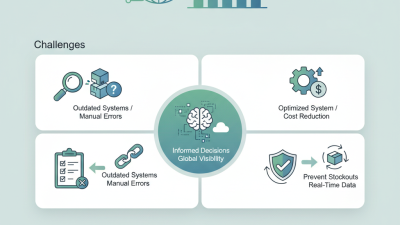
Common Challenges in Warehouse and Inventory Management

Warehouse and inventory management can look straightforward until physical stock disagrees with the system. A picker sees twelve cartons on a shelf, while the software shows fifteen. Small gaps like this can cause delayed orders, unnecessary purchasing, or awkward customer conversations. They often grow from rushed receiving, missed scans, or unclear item labels.

Demand is another moving target. A sudden promotion or seasonal shift can empty a fast-moving bin, while slow-selling goods occupy valuable space. Forecasts help, but they rely on clean sales records and sensible assumptions. They are not guarantees. Teams should compare planned demand with actual movements and investigate repeated differences, rather than quietly adjusting numbers to make reports look tidy.

Space and labor create daily pressure, too. Narrow aisles, misplaced pallets, and poorly timed deliveries can slow picking and raise the chance of counting errors. A practical location map and consistent cycle counts make discrepancies easier to trace. Yet procedures can become too complicated. If workers must navigate several screens to record one damaged carton, some details may be missed. The process should be checked on the warehouse floor, where the real delays happen.

Why Is Warehouse and Inventory Management Important? - Common Challenges in Warehouse and Inventory Management

The figures below are illustrative examples for a general warehouse operation, not universal industry benchmarks. Actual results vary by facility, product mix, systems, and operating practices.

Common Challenge Example Operational Signal Effect on the Business Why Effective Management Matters Practical Improvement
Inaccurate inventory records A cycle count finds 92% of sampled item-location records match the physical count. Staff may promise stock that is unavailable or overlook inventory that is on hand. Reliable records support replenishment, order fulfillment, and more confident planning. Use barcode scanning for receipts, moves, picks, and adjustments; investigate recurring variances.
Stockouts and excess inventory Fast-moving items run short while slower-moving items remain in storage for extended periods. Stockouts can delay orders; excess stock ties up cash and consumes space. Appropriate reorder points and stock policies help balance product availability with carrying costs. Review demand history, supplier lead times, and safety stock regularly; flag aging inventory.
Unorganized storage and poor slotting Pickers make repeated long trips between frequently ordered items stored in distant locations. Longer travel increases labor time and can reduce orders picked per shift. Logical locations and product placement help improve flow, picking speed, and space use. Place frequently picked items in accessible locations and keep location labels clear and consistent.
Picking and packing errors Orders require re-picking or correction because the wrong item or quantity was selected. Errors can lead to returns, extra shipping costs, and a poorer customer experience. Standardized workflows and verification reduce avoidable mistakes before dispatch. Use scan-to-confirm checks, clear pick lists, and a final order verification step.
Unpredictable receiving and put-away Received goods wait in staging because checks, labeling, or location assignment are incomplete. Products may not become available for sale promptly, and staging areas can become congested. Consistent receiving processes improve traceability and make stock available sooner. Schedule receiving where possible and record quantities, condition, and destination location at receipt.
Limited visibility across stock locations Teams need to check multiple records or contact other staff to locate available stock. Slow decisions can cause duplicate purchases, delayed fulfillment, or unnecessary stock transfers. Shared, timely inventory information helps teams coordinate purchasing and fulfillment. Maintain a single, regularly updated inventory record and define consistent location codes.
Seasonal demand and workload changes Order volumes rise sharply during promotional or seasonal periods, while staffing and space remain fixed. Congestion, overtime, and delayed orders can increase when capacity is not planned in advance. Demand and capacity planning help align labor, storage, and replenishment with expected activity. Review seasonal order patterns, prepare temporary capacity plans, and monitor backlogs daily.
Safety and housekeeping risks Aisles become obstructed by pallets, packaging, or goods awaiting movement. Clutter can impede material handling, slow work, and create avoidable safety hazards. Clear standards protect employees and support smoother movement through the facility. Keep aisles and exits clear, assign housekeeping responsibilities, and inspect storage areas routinely.

“Guardian has been a tremendous help in providing storage and distribution solutions for AIR Global. We came to Guardian with a need, and they quickly found a solution for us at a very reasonable price. Our business is very demanding, especially during busy periods, and Guardian has been flexible and able to accommodate all requests with less than 48 hours’ notice. April, our main contact, has been extremely helpful in making sure our orders are shipped on time and that our inventory is accurate. I highly recommend using Guardian and look forward to continuing our relationship for many years to come.”

Matt Buffington
Director of Supply and Operations
Americas

“The Guardian Logistics Team is responsive and helpful on a consistent basis.  This removes a tremendous amount of stress and gives us incentive to route cargo that will touch your dock. Thanks for all that you do!!!”

Charles Reel
Branch Manager
Scan Global Logistics

“I recommend with great confidence, Guardian Logistics Solutions and owner, Brent Smith to whomever needs top shelf deliveries including Last Mile, White Glove, Residential and Commercial.

I have known GLS since its inception. Guardian is always looking for the right answer to solve the customer’s problem. I can, without hesitation, recommend Guardian Logistics to any company that is looking for the best service in their coverage area. They will team with you to create a solution that suits your needs and ensure you are satisfied with the outcome.”

Steven T. Nelson

“I highly recommend Guardian Logistics Solutions. The professionalism and communications offered by the team, along with speediness, cost saving solutions and attitude is a testament to the fact that this is one of the most important partners you can have in the freight movement business.

The company offers exemplary service, they continuously exceed our expectations and that of the importers, they help us service, Guardian Logistics Solutions is the best solid business partner you should add to your company.”

Ubaldo Sierra
Maersk Customs Brokers
General Manager

“Guardian Logistic Solutions is one of those rare companies who under-promise-and-over-deliver EVERY single time!”

James Burke
Manager, Sales Team
OLIMP Warehousing

“I want to thank the team at Guardian for the excellent service we have received.
The shipments have been professionally handled and freight arrives timely and in good order at a fair price. Communication is a very important part of the handling and Guardian does a great job of communication through the delivery.”

Cheri Zetrouer
Access Worldwide
Customs Brokers & Freight Forwarders

“I am very lucky to have found Guardian Logistics to help with our freight needs.  Our business is a bit unique in that we only receive a shipment every 2-3 months and we have to stick to a very strict time schedule in order to unload the delivery.  We found it virtually impossible to consistently coordinate with logistics companies to have shipments arrive on time and when they were expected. After multiple frustrating scenarios, our broker introduced us to Guardian Logistics who handled all of our shipments recently to perfection. Our shipments have arrived on time, when expected, with friendly and helpful drivers.  We will only be using Guardian moving forward for all of our shipping and freight needs. I couldn’t recommend them strongly enough!”

Trey Conrad
Owner
Patriot Power Source

“We have been working with the Guardian company for several years now and I can say without a doubt that their entire team cares about the service they provide. Their personal interest in their customers’ success makes them a standout in the world of final mile delivery.

I highly recommend Guardian for anyone requiring outstanding services in warehousing and final mile delivery programs.”

Frank Ianucilli
Director of Final Mile Operations
Werner Enterprises

“At WeFixFreight.com, client satisfaction is our main priority.  We are proud to partner with the top notch team at Guardian to bring our customers nothing but the best service when it comes to freight reworks, cross docking services, and final mile delivery.”

Bill Carlin
CEO
WeFixFreight.Com

“The Guardian Logistics staff has always been exceptional, and these days, with all the competition out there, it’s the service that matters. We appreciate all they do and look forward to continuing our business with GLS.”

Cathy Avolio
Ocean Import Manager
Mallory Alexander Int'l Logistics (NY), LLC
Back To Top