Skip to content

What Are the 2026 Top Last Mile Delivery Service Types?

In 2026, last mile delivery service models are becoming more specialized, measurable, and customer-led. Retailers now compare speed, delivery cost, carbon impact, and failed-delivery rates. Same-day delivery remains important, but it is not always the smartest choice. A secure parcel locker may outperform a rushed doorstep delivery in a dense city.

The World Economic Forum’s Future of the Last-Mile Ecosystem report projects a 78% increase in urban delivery demand by 2030. It also warns that delivery vehicles could rise by 36%, with urban emissions increasing by 32%. These figures explain the growing importance of electric vans, cargo bikes, pickup points, and automated lockers. The Pitney Bowes Parcel Shipping Index also recorded 161.8 billion parcels worldwide in 2023. That volume creates pressure on every doorstep, route, driver, and warehouse.

As supply-chain expert Alan Amling has stated, “The last mile is the most expensive part of the supply chain.” His observation remains practical. A missed delivery can mean another vehicle trip, another fuel cost, and another disappointed customer. This article examines the leading last mile delivery service types expected to shape 2026, including scheduled delivery, same-day fulfillment, crowdsourced delivery, parcel lockers, electric fleets, autonomous vehicles, and drones. Not every model fits every market. Rural routes, apartment buildings, temperature-sensitive goods, and local infrastructure create different constraints. The ranking is therefore useful, but imperfect. Real performance depends on evidence, not marketing language.
What Are the 2026 Top Last Mile Delivery Service Types?

What Is Last Mile Delivery and Why Does It Matter in 2026?

What Is Last Mile Delivery and Why Does It Matter in 2026?

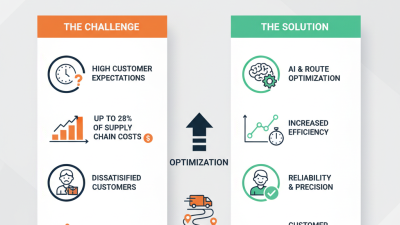
Last mile delivery covers the final movement from a local hub to the customer’s door, locker, or pickup point. It is the most visible stage of fulfillment. A late parcel feels personal, even when the delay began upstream. McKinsey estimates that last mile operations can represent up to 53% of total shipping costs. That pressure makes service design a financial decision, not merely a transport choice.

In 2026, scheduled home delivery remains important for bulky, urgent, or temperature-sensitive orders. Parcel lockers and pickup points reduce failed attempts and give customers more control. Same-day delivery suits dense urban areas, but it needs accurate inventory and short delivery routes. Route-based delivery windows can lower driver waiting time. Flexible options matter.

The World Economic Forum reported that urban delivery traffic could rise 36% by 2030 without effective intervention. That finding gives electric fleets, local microhubs, and consolidated deliveries greater importance. However, speed is not always progress. A faster service may create more empty vehicle miles. A locker may cut doorstep convenience for customers with limited mobility. These trade-offs need measurement.

Useful metrics include delivery cost per order, first-attempt success, carbon emissions, damage rates, and customer effort. Industry forecasts often assume steady demand and perfect data. Real streets are less cooperative. Weather changes routes. Addresses remain imperfect. Service teams should test small areas, review failures, and adjust the model before scaling.

Which Delivery Service Types Define the 2026 Last Mile?

What Are the 2026 Top Last Mile Delivery Service Types?

Which Delivery Service Types Define the 2026 Last Mile?

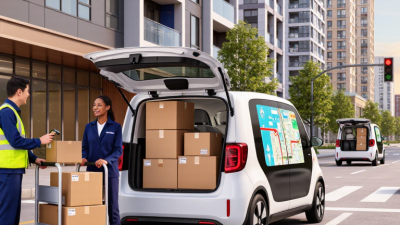
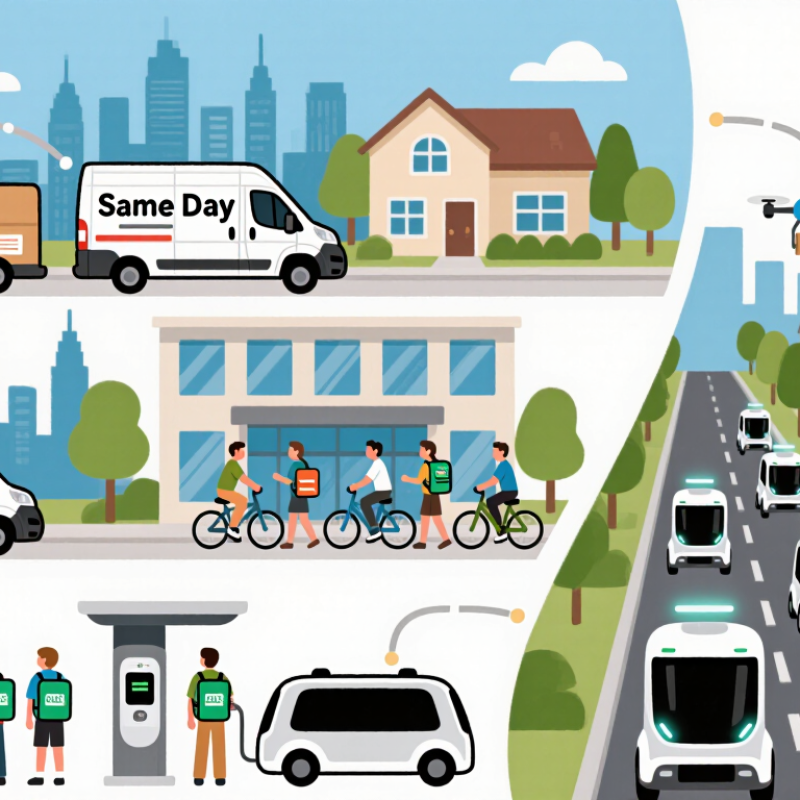
The 2026 last mile is becoming more flexible, visible, and customer-led. Scheduled delivery remains important for furniture, groceries, and temperature-sensitive products. Customers can choose a time window instead of waiting all day. Same-day delivery serves urgent purchases in dense urban areas. It depends on accurate inventory, nearby stock, and reliable route planning.

Pickup points and parcel lockers are also defining modern delivery networks. They reduce missed visits and help drivers avoid repeated trips. In apartment districts, these options can be faster than door delivery. Crowdsourced delivery may support demand peaks, but quality can vary. That weakness deserves honest attention. Tracking accuracy, driver training, and clear handover procedures still determine customer trust.

Tips: Offer delivery windows with realistic capacity. Show live status updates. Keep pickup instructions simple. Test locker locations near transit stops and residential buildings. Measure failed deliveries, not only delivery speed.

Operational experience suggests that no single service type fits every order. A low-cost parcel may suit a locker. A medical device may require scheduled, attended delivery. Data can guide these choices, but data is not always clean. Weather, traffic, and customer availability can disrupt a perfect plan. Reviewing failed routes each week helps teams improve without hiding uncomfortable results.

What Are the 2026 Top Last Mile Delivery Service Types? - Which Delivery Service Types Define the 2026 Last Mile?
Last-Mile Service Type Typical Delivery Window Primary Delivery Mode Best-Fit Use Cases Key Customer Value Operational Strength Main Limitation 2026 Relevance
Standard Scheduled Delivery 1–5 business days Parcel van, truck, or postal network Non-urgent e-commerce orders, household goods, and routine replenishment Predictable service at a relatively low delivery cost Efficient route planning and consolidated shipments Less suitable for urgent or time-sensitive orders Core service
Same-Day Delivery Within the day, commonly using scheduled time slots Local van, car, motorcycle, or bicycle courier Retail purchases, urgent replacement items, pharmacy orders, and grocery baskets Shorter waiting time and improved convenience Fast fulfillment from nearby stores, hubs, or micro-fulfillment sites Requires local inventory, cut-off times, and dense delivery demand High-growth service
On-Demand and Instant Delivery Approximately 15–120 minutes Motorcycle, bicycle, scooter, or compact vehicle Prepared food, convenience products, urgent documents, and small essential items Near-immediate access to selected products Real-time dispatch and dynamic courier allocation Higher operating cost, limited basket size, and restricted service radius Selective adoption
Next-Day Delivery Next calendar day or next business day Parcel van and regional delivery network General merchandise, subscription orders, and replenishment purchases Good balance between speed and price Supports planned line-haul and hub operations Performance depends on order cut-off times and regional coverage Mainstream service
Scheduled Time-Slot Delivery Customer-selected window, often 1–4 hours Van, truck, or specialized delivery vehicle Groceries, appliances, furniture, and other planned home deliveries Greater convenience and fewer missed deliveries Improves stop sequencing and recipient availability Requires accurate capacity forecasting and customer coordination Growing expectation
White-Glove and Two-Person Delivery Scheduled appointment, usually 1–10 days Specialized truck with trained delivery crew Furniture, large appliances, fitness equipment, and fragile goods Room-of-choice placement, setup, and removal of packaging Handles bulky, heavy, or high-value products Labor-intensive, capacity-constrained, and more expensive Specialized growth
Click-and-Collect or Pickup-Point Delivery Usually 1–5 business days Consolidated parcel transport to a store, locker, or pickup point Small parcels, apartment residents, commuters, and customers seeking flexibility Flexible collection and fewer failed home-delivery attempts High drop density and reduced residential stop time Customers must travel to the collection location Efficiency-focused
Parcel Locker Delivery Same day to several business days Parcel van or cargo vehicle to automated locker network Compact parcels, urban residences, campuses, and office districts 24/7 collection, secure storage, and delivery flexibility Consolidates many deliveries at one physical location Requires suitable locker density, access, and parcel-size compatibility Urban priority
Returns and Reverse Logistics Customer-selected or scheduled collection window Parcel carrier, pickup point, locker, or store drop-off Product returns, repairs, exchanges, refurbishment, and recycling Simplifies post-purchase service and improves customer confidence Can combine collection with existing delivery or pickup routes Item inspection, repackaging, and disposition add complexity Essential capability
Temperature-Controlled Delivery Same day to next day, depending on product requirements Refrigerated van, insulated container, or validated cold-chain equipment Fresh food, pharmaceuticals, laboratory materials, and perishable products Protects product quality and temperature-sensitive integrity Uses defined handling procedures and temperature monitoring Higher equipment, compliance, and handling requirements Critical vertical
Electric and Low-Emission Urban Delivery Same day to scheduled multi-day delivery Electric van, cargo bike, bicycle, or other low-emission vehicle Dense urban areas, restricted traffic zones, and sustainability-sensitive routes Lower tailpipe emissions and access to some constrained city areas Well suited to short routes, consolidated stops, and urban microhubs Vehicle range, charging access, payload, and weather can constrain operations Strategic priority
Autonomous and Robotic Delivery Short scheduled windows in controlled areas Sidewalk robot, autonomous vehicle, or aerial system where permitted Campuses, planned communities, hospitals, warehouses, and pilot zones Potentially lower dependence on human driving for repetitive routes Useful for repeatable, geographically limited delivery patterns Regulation, safety, weather, security, and infrastructure remain constraints Emerging service
Data basis: Delivery windows and operating characteristics are typical industry ranges and service definitions. Actual performance varies by geography, order cut-off time, parcel size, traffic, inventory location, vehicle availability, local regulation, and service-density conditions.

How Do Speed, Cost, and Coverage Differ Across Service Types?

Same-day delivery suits urgent, compact orders in dense cities. It offers speed, but usually requires nearby inventory and expensive dispatch capacity. McKinsey’s last-mile analysis estimates delivery can represent more than half of total shipping costs. That explains the premium. Fast is not always better.

Next-day service balances speed and cost through regional sorting hubs and predictable routes. It often reaches more suburbs than same-day delivery. Scheduled delivery costs less when several orders share one route, especially during fixed time windows. Pickup points and parcel lockers can extend coverage further. Customers travel the final distance, reducing failed doorstep attempts. The 2024 Parcel Shipping Index reported 161.8 billion parcels worldwide in 2023, showing why dense handoff networks matter.

Coverage changes the calculation. World Economic Forum research projects urban delivery vehicles could rise by 36% by 2030, increasing congestion and operating pressure. On-demand services may look efficient, yet empty return trips and fragmented demand weaken that advantage. Scheduled routes are slower, but steadier. Locker delivery is cheaper, though it can exclude customers far from collection sites. Service selection should match order urgency, delivery density, and customer mobility. The trade-off is not perfectly clean. Forecasts also miss weather, traffic, and failed access, which can quietly change the final cost.

What Technologies Are Shaping Last Mile Delivery Services?

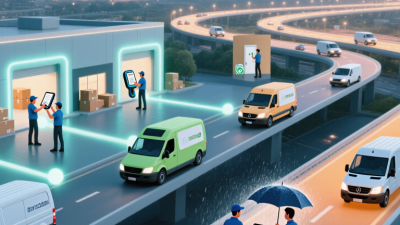
In 2026, last mile delivery services are becoming more data-driven, but technology still depends on disciplined operations. AI routing tools read traffic, delivery windows, vehicle capacity, and failed-attempt history. They can reorder a route within minutes when a road closes. Small details matter. A driver may save ten minutes by using a rear entrance, not a faster highway. This practical feedback improves future route planning.

Real-time telematics is shaping safer and more reliable delivery models. Sensors can report vehicle location, temperature, battery health, and harsh braking. Customers receive narrower arrival windows through automated updates. Dispatch teams can intervene before a delay becomes a missed delivery. However, predictive estimates are not always correct. Heavy rain, apartment access, and inaccurate addresses still confuse advanced systems. Human judgment remains essential, especially when the data looks complete but is not.

Flexible delivery points are also expanding through secure lockers, staffed collection sites, and contactless access systems. These options reduce repeated visits and help customers collect parcels around work schedules. Robotics and low-speed autonomous vehicles may support short routes in controlled areas. Their value requires careful testing, clear oversight, and reliable maintenance. A failed pilot can teach more than a polished dashboard. Service leaders should measure delivery accuracy, failed attempts, worker safety, energy use, and customer complaints together. Technology should improve the handoff, not merely make it look modern.

How Can Businesses Choose the Right Delivery Service Type?

Businesses should choose a last mile delivery service type by matching customer promises with operational reality. Scheduled delivery suits bulky goods, planned replenishment, and customers who value predictable time windows. Same-day service fits urgent orders in dense urban areas, but it requires nearby inventory and reliable route planning. Pickup points and lockers can reduce failed deliveries when customers are often away from home. Standard delivery remains practical for price-sensitive orders with flexible arrival dates.

Tips: Start with delivery data, not assumptions. Measure order density, average distance, failed attempts, delivery time, damage rates, and return frequency. Test one route. A small pilot can reveal problems before expansion. Check local transport, labor, privacy, and consumer protection requirements. Keep customer notifications clear, especially when delivery windows change.

Experienced operations teams often compare service types by total cost, not shipping price alone. A cheaper option may create extra support calls, repeated delivery attempts, or unhappy customers. A faster option is not always better. Temperature-sensitive or fragile products may need specialized handling, while routine items may travel efficiently through consolidated routes. Businesses should also review peak-season capacity and backup plans. No model performs perfectly. Weather, traffic, and inaccurate addresses still disrupt careful plans. Reviewing these failures honestly can improve future delivery choices.

What Are the 2026 Top Last-Mile Delivery Service Types?

Typical delivery windows vary by service type. Businesses should balance customer urgency, delivery density, inventory location, cost, and sustainability when selecting a last-mile model.

Same-day and on-demand delivery provide the fastest customer experience but usually require higher fulfillment costs and strong local delivery density. Next-day, scheduled, parcel-locker, and pickup-point services can improve route efficiency and reduce failed deliveries. The figures shown are representative operating benchmarks for service comparison, not data from any individual company or brand.

“Guardian has been a tremendous help in providing storage and distribution solutions for AIR Global. We came to Guardian with a need, and they quickly found a solution for us at a very reasonable price. Our business is very demanding, especially during busy periods, and Guardian has been flexible and able to accommodate all requests with less than 48 hours’ notice. April, our main contact, has been extremely helpful in making sure our orders are shipped on time and that our inventory is accurate. I highly recommend using Guardian and look forward to continuing our relationship for many years to come.”

Matt Buffington
Director of Supply and Operations
Americas

“The Guardian Logistics Team is responsive and helpful on a consistent basis.  This removes a tremendous amount of stress and gives us incentive to route cargo that will touch your dock. Thanks for all that you do!!!”

Charles Reel
Branch Manager
Scan Global Logistics

“I recommend with great confidence, Guardian Logistics Solutions and owner, Brent Smith to whomever needs top shelf deliveries including Last Mile, White Glove, Residential and Commercial.

I have known GLS since its inception. Guardian is always looking for the right answer to solve the customer’s problem. I can, without hesitation, recommend Guardian Logistics to any company that is looking for the best service in their coverage area. They will team with you to create a solution that suits your needs and ensure you are satisfied with the outcome.”

Steven T. Nelson

“I highly recommend Guardian Logistics Solutions. The professionalism and communications offered by the team, along with speediness, cost saving solutions and attitude is a testament to the fact that this is one of the most important partners you can have in the freight movement business.

The company offers exemplary service, they continuously exceed our expectations and that of the importers, they help us service, Guardian Logistics Solutions is the best solid business partner you should add to your company.”

Ubaldo Sierra
Maersk Customs Brokers
General Manager

“Guardian Logistic Solutions is one of those rare companies who under-promise-and-over-deliver EVERY single time!”

James Burke
Manager, Sales Team
OLIMP Warehousing

“I want to thank the team at Guardian for the excellent service we have received.
The shipments have been professionally handled and freight arrives timely and in good order at a fair price. Communication is a very important part of the handling and Guardian does a great job of communication through the delivery.”

Cheri Zetrouer
Access Worldwide
Customs Brokers & Freight Forwarders

“I am very lucky to have found Guardian Logistics to help with our freight needs.  Our business is a bit unique in that we only receive a shipment every 2-3 months and we have to stick to a very strict time schedule in order to unload the delivery.  We found it virtually impossible to consistently coordinate with logistics companies to have shipments arrive on time and when they were expected. After multiple frustrating scenarios, our broker introduced us to Guardian Logistics who handled all of our shipments recently to perfection. Our shipments have arrived on time, when expected, with friendly and helpful drivers.  We will only be using Guardian moving forward for all of our shipping and freight needs. I couldn’t recommend them strongly enough!”

Trey Conrad
Owner
Patriot Power Source

“We have been working with the Guardian company for several years now and I can say without a doubt that their entire team cares about the service they provide. Their personal interest in their customers’ success makes them a standout in the world of final mile delivery.

I highly recommend Guardian for anyone requiring outstanding services in warehousing and final mile delivery programs.”

Frank Ianucilli
Director of Final Mile Operations
Werner Enterprises

“At WeFixFreight.com, client satisfaction is our main priority.  We are proud to partner with the top notch team at Guardian to bring our customers nothing but the best service when it comes to freight reworks, cross docking services, and final mile delivery.”

Bill Carlin
CEO
WeFixFreight.Com

“The Guardian Logistics staff has always been exceptional, and these days, with all the competition out there, it’s the service that matters. We appreciate all they do and look forward to continuing our business with GLS.”

Cathy Avolio
Ocean Import Manager
Mallory Alexander Int'l Logistics (NY), LLC
Back To Top