How to Choose a Third Party Logistics Provider?
Choosing a third party logistics provider can shape every customer experience after checkout. It affects delivery speed, inventory accuracy, shipping costs, and returns. A weak choice may leave products stranded in the wrong warehouse. It may also create confusing updates for customers and unnecessary pressure on your team.
The right decision requires more than comparing monthly fees. Review warehouse locations, order volume capacity, technology integrations, and documented service standards. Ask how the provider handles damaged cartons, stock discrepancies, seasonal peaks, and urgent order changes. Request measurable data, such as picking accuracy, on-time shipment rates, and average response times. Speak with current clients when possible. Their practical experience may reveal details hidden in polished presentations.
Look closely.
A reliable provider should explain its processes clearly. It should maintain accurate records and offer realistic performance commitments. Strong security controls, trained staff, and consistent communication also matter. Experience in your product category can reduce avoidable mistakes, especially when packaging or storage needs are unusual. However, no provider is perfect. Even an impressive operation may struggle during unexpected demand spikes. Your own forecasts may also be incomplete.
This guide presents a practical framework for comparing candidates. It focuses on evidence, operational fit, communication quality, and long-term resilience. The goal is not to find the cheapest option. It is to choose a partner that can support your customers without creating new operational risks.
Define Your Logistics Needs and Service Requirements
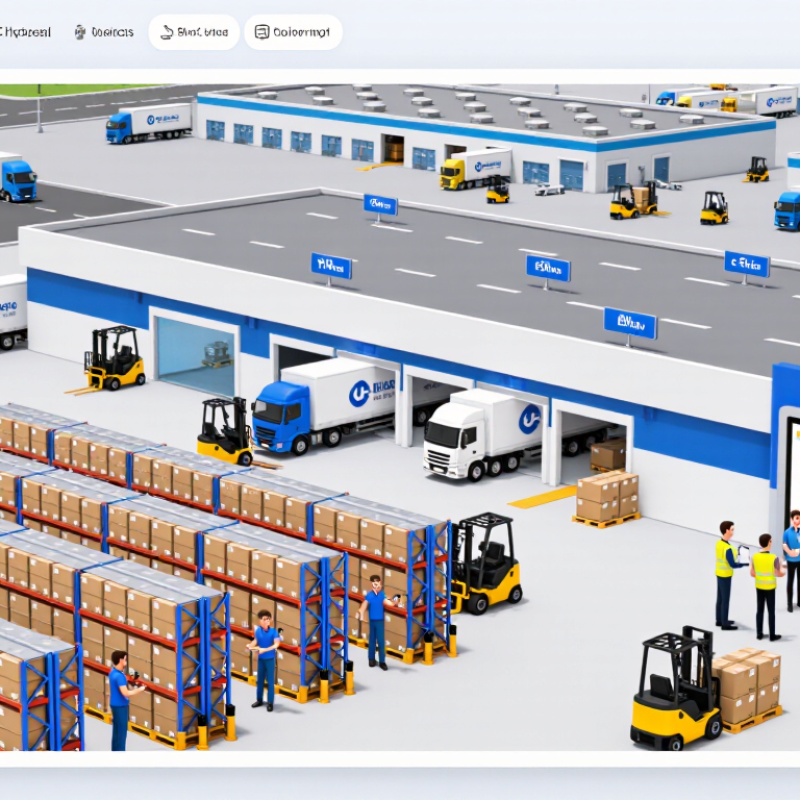
A reliable third-party logistics decision starts with a precise definition of your needs. Record your average weekly orders, peak-season volume, product dimensions, and delivery destinations. Measure the full order cycle, from receiving inventory to final delivery. Include return rates, damaged packages, and urgent shipment requests. Small details matter.
Describe every service requirement in practical terms. Do you need pallet storage, item-level picking, custom packing, or temperature-controlled handling? Set clear dispatch cutoffs and acceptable delivery windows. Ask how the provider handles stock discrepancies, late scans, and address corrections. Your provider should explain its tracking process and escalation contacts without vague promises. Request sample performance reports and confirm which metrics they monitor.
Test the operation before signing a long agreement. Visit the facility, if possible, and observe receiving docks, storage labels, packing stations, and safety procedures. Request a trial using real order patterns. Our first volume estimate was wrong because weekend demand was ignored. That mistake changed staffing and storage calculations. Build room for seasonal growth, but avoid paying for unused capacity. Review fees for storage, handling, returns, special packaging, and inventory counts. A clear service requirement sheet makes price comparisons fairer. It also reveals uncomfortable gaps in your own planning.
Compare Technology, Pricing Models, and Contract Terms
Choosing a third-party logistics provider requires more than comparing a headline rate. In practice, technology often exposes the real differences. The 2024 27th Annual Third-Party Logistics Study found that 87% of shippers considered 3PL technology capabilities important to supply chain performance. Ask for live inventory visibility, order-status alerts, application programming interface access, and clear data ownership. A polished dashboard is not enough.
Pricing models need careful testing. Compare transaction fees, storage charges, receiving costs, returns handling, fuel adjustments, and minimum monthly volumes. The 2024 State of Logistics Report estimated U.S. business logistics costs at about $2.3 trillion in 2023. Small contract details can therefore create large operating costs. Request a sample invoice using your actual order profile. Flat pricing may look safer, but it can hide expensive exceptions. I have seen “simple” rate cards become difficult during peak seasons.
Tips: Build a 12-month cost model. Include slow months, promotional spikes, returns, and damaged inventory. Review at least three contract clauses closely: service-level credits, annual price increases, and termination rights. Require measurable targets for inventory accuracy, order cut-off times, and claims response. A 30-day exit clause sounds attractive, yet it may be unrealistic when systems and stock are deeply integrated. Leave room for negotiation. Your first assumption may be wrong.
How to Choose a Third-Party Logistics Provider
This benchmark uses a 0–100 evaluation scale to compare the factors that usually have the greatest impact on 3PL performance. Technology criteria emphasize integration and shipment visibility, pricing criteria focus on transparency and predictability, while contract criteria measure flexibility, notice periods, and termination rights.
Select the Provider and Establish Performance Management Standards
How to Choose a Third-Party Logistics Provider?
Selecting a logistics provider should begin with measurable operating standards, not impressive sales presentations. Define targets for order accuracy, on-time dispatch, delivery performance, inventory variance, and claims resolution. Each metric needs a clear formula, data source, owner, and review frequency.
The 2023 27th Annual Third-Party Logistics Study reported that 93% of shippers consider technology capabilities important when selecting logistics partners.
A modern dashboard helps, but data quality matters more. A beautiful dashboard can still hide late scans.
Build a 90-day performance baseline before setting penalties or bonuses. Review weekly exceptions, monthly trends, and quarterly improvement plans. Service-level agreements should explain escalation times, forecast updates, peak-season capacity, and corrective actions.
Targets must reflect product type and customer promises. A warehouse handling fragile goods should not use the same tolerance as a bulk operation.
I would avoid promising perfect visibility. Systems fail, and manual checks still matter. Independent audits and sample counts can expose problems early.
Tips
Request three months of anonymized performance data. Test one real order through the proposed workflow. Ask who approves corrective actions. Track root causes, not only percentages. According to the same industry study, 87% of shippers reported that third-party logistics use improved logistics effectiveness, but the result depends on disciplined governance. If the provider cannot explain a missed target in plain language, the contract needs stronger controls.