Skip to content

10 Essential Tips for Navigating Global Logistics Challenges?

In today's interconnected world, navigating global logistics presents significant challenges. According to a report by Deloitte, about 79% of companies experience disruptions in their supply chains. This statistic highlights the intricate nature of global logistics and the necessity for effective strategies. Experts emphasize the importance of adaptability and technology in overcoming these hurdles.

Dr. Emily Chen, a noted authority in global logistics, states, "Successful logistics operations require agility and vision." Her insight sheds light on the ever-evolving landscape of supply chains. Companies must stay ahead of trends and embrace digital transformation to improve efficiency. Data integration, real-time tracking, and risk management are essential in this pursuit.

Embracing the complexities of global logistics means acknowledging areas for growth. Many organizations struggle with balancing cost and speed. Reflections on these operational challenges can foster innovation and resilience in logistics strategies, leading to sustainable solutions for a dynamic market.

10 Essential Tips for Navigating Global Logistics Challenges?

Understanding Global Logistics: Key Concepts and Terminology

Understanding global logistics requires familiarity with key concepts and terminology. Logistics is the process of planning, implementing, and controlling the movement of goods. It’s essential to grasp terms like supply chain, freight, and inventory management. Each term plays a critical role in the overall process. Supply chains involve multiple components, including suppliers, manufacturers, and distributors.

Freight refers to the transportation of goods. It includes modes such as air, sea, and land. Each mode has its own benefits and drawbacks. For instance, air freight is fast but expensive, while sea freight is cost-effective yet slower. Understanding these differences helps businesses make informed decisions. Inventory management ensures that goods are available when needed. However, poor inventory practices can lead to excess stock or shortages, impacting customer satisfaction.

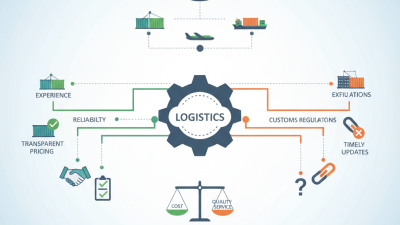
It’s also important to recognize the challenges within global logistics. Delays can arise from various factors like customs regulations and market fluctuations. A lack of real-time data can exacerbate these issues. Transparency and communication are critical for navigating these hurdles. Embracing technology can improve tracking and enhance efficiency. Yet, over-reliance on tech might lead to vulnerabilities in case of system failures. Organizations must stay agile and adapt their strategies effectively. Understanding these fundamental concepts can lead to more effective global logistics management.

Identifying Common Challenges in Global Logistics Management

Global logistics management presents a myriad of challenges that can derail even the best-laid plans. According to a 2022 report by the Council of Supply Chain Management Professionals, over 65% of logistics managers identified supply chain disruptions as their top concern. These disruptions often stem from unforeseen events, such as natural disasters and political unrest, which can drastically alter transport routes. The inability to predict these occurrences adds a layer of complexity to logistics operations.

Moreover, a significant challenge in this sector is the lack of real-time data. A 2021 Deloitte study highlighted that 42% of logistics firms struggle to access timely and accurate information. This gap leads to inefficiencies when making decisions on inventory management and shipment planning. Without a reliable data stream, companies risk increasing operational costs and delay delivery times. Those delays could impact customer satisfaction, leading to reputational damage that may take years to repair.

Another critical concern is the increasing regulatory environment surrounding global trade. Companies must navigate intricate rules, tariffs, and compliance issues. A misstep can lead to delays and added costs. According to a survey by the International Federation of Freight Forwarders Associations, nearly 30% of companies faced significant fines or delays due to non-compliance in 2023. This reveals the pressing need for businesses to stay informed and adaptable in an ever-evolving logistics landscape.

10 Essential Tips for Navigating Global Logistics Challenges

Strategies for Effective Supply Chain Coordination Across Borders

Navigating global logistics challenges requires effective supply chain coordination. Many companies struggle with real-time visibility across borders. According to a recent study by McKinsey, only 25% of companies have fully integrated their supply chains, leading to inefficiencies and delays. Better coordination can significantly improve this situation.

One effective strategy is leveraging technology. Advanced tracking systems can enhance transparency. For instance, IoT devices provide valuable data that can inform decision-making. However, not all organizations have adopted these tools. A report from Gartner indicates that 47% of supply chain executives see technology adoption as a major hurdle. Addressing this gap is crucial for seamless operations.

Collaboration is another key factor. Building strong relationships with suppliers and logistics providers often leads to improved outcomes. Yet, many firms still operate in silos. A study by Deloitte found that companies with integrated teams achieve a 30% improvement in efficiency over those that do not. It’s essential to foster a culture of collaboration, despite the challenges it may entail. These strategies can create significant advantages in an increasingly complex global landscape.

10 Essential Tips for Navigating Global Logistics Challenges

Tip Number Tip Description Key Considerations Potential Challenges
1 Understand Trade Regulations Stay updated on import/export laws Changes in tariffs and quotas
2 Optimize Transportation Routes Utilize route planning software Traffic, weather, and border delays
3 Leverage Technology and Automation Implement tracking and management systems Integration issues with existing systems
4 Build Strong Vendor Relationships Communicate regularly and collaborate Reliability and trust issues
5 Diversify Shipping Options Consider air, sea, and land transport Cost and speed trade-offs
6 Implement Risk Management Strategies Identify and mitigate potential risks Unforeseen global events
7 Develop a Responsive Supply Chain Adapt quickly to changes in demand Forecasting inaccuracies
8 Ensure Proper Documentation Validate all shipping and customs documents Delays due to missing information
9 Monitor and Evaluate Performance Use KPIs to assess logistics efficiency Data collection and analysis challenges
10 Focus on Sustainability Initiatives Implement eco-friendly logistics practices Cost implications of green practices

Utilizing Technology to Enhance Global Logistics Efficiency

Navigating global logistics challenges requires agility and innovation. Utilizing technology can significantly enhance efficiency. Advanced software systems streamline operations, optimize routes, and reduce delays. Automation tools save time and minimize human error. Such tools ensure accuracy in inventory management and order fulfillment.

To tackle these challenges, consider these essential tips. Implement real-time tracking systems. This ensures transparency in your supply chain, helping to anticipate and resolve disruptions. Engage with data analytics. Analyzing trends can guide decision-making and improve forecasting accuracy.

Training your team on these technologies is crucial. They should be well-versed in using tools effectively. However, not all tech solutions fit every business model. Reflect on your unique needs before investing in technology. Sometimes, the most straightforward solutions are more efficient than the latest tools.

Building Resilience in Global Logistics: Risk Management Approaches

In the intricate world of global logistics, building resilience is paramount. A recent report from the Council of Supply Chain Management Professionals indicates that 79% of companies experience disruptions due to unforeseen risks. Effective risk management strategies can mitigate these challenges significantly.

One essential tip is to diversify supply sources. Relying on a single supplier can lead to crisis, especially during geopolitical tensions. Multiple sources reduce dependency and enhance flexibility. Additionally, implementing real-time tracking tools can improve visibility. Data from McKinsey shows that companies with advanced tracking capabilities experience a 20% reduction in logistics costs.

Investing in employee training is another crucial approach. Skilled workers can identify and respond to risks promptly. According to the Logistics Management report, companies that prioritize training see a 30% increase in operational efficiency.

Managing risks is not just about prevention. It involves cultivating an adaptive mindset. Encouraging teams to reflect on past disruptions fosters innovation. What went wrong before? How can we do better next time? Finding answers is the start of resilience.

“Guardian has been a tremendous help in providing storage and distribution solutions for AIR Global. We came to Guardian with a need, and they quickly found a solution for us at a very reasonable price. Our business is very demanding, especially during busy periods, and Guardian has been flexible and able to accommodate all requests with less than 48 hours’ notice. April, our main contact, has been extremely helpful in making sure our orders are shipped on time and that our inventory is accurate. I highly recommend using Guardian and look forward to continuing our relationship for many years to come.”

Matt Buffington
Director of Supply and Operations
Americas

“The Guardian Logistics Team is responsive and helpful on a consistent basis.  This removes a tremendous amount of stress and gives us incentive to route cargo that will touch your dock. Thanks for all that you do!!!”

Charles Reel
Branch Manager
Scan Global Logistics

“I recommend with great confidence, Guardian Logistics Solutions and owner, Brent Smith to whomever needs top shelf deliveries including Last Mile, White Glove, Residential and Commercial.

I have known GLS since its inception. Guardian is always looking for the right answer to solve the customer’s problem. I can, without hesitation, recommend Guardian Logistics to any company that is looking for the best service in their coverage area. They will team with you to create a solution that suits your needs and ensure you are satisfied with the outcome.”

Steven T. Nelson

“I highly recommend Guardian Logistics Solutions. The professionalism and communications offered by the team, along with speediness, cost saving solutions and attitude is a testament to the fact that this is one of the most important partners you can have in the freight movement business.

The company offers exemplary service, they continuously exceed our expectations and that of the importers, they help us service, Guardian Logistics Solutions is the best solid business partner you should add to your company.”

Ubaldo Sierra
Maersk Customs Brokers
General Manager

“Guardian Logistic Solutions is one of those rare companies who under-promise-and-over-deliver EVERY single time!”

James Burke
Manager, Sales Team
OLIMP Warehousing

“I want to thank the team at Guardian for the excellent service we have received.
The shipments have been professionally handled and freight arrives timely and in good order at a fair price. Communication is a very important part of the handling and Guardian does a great job of communication through the delivery.”

Cheri Zetrouer
Access Worldwide
Customs Brokers & Freight Forwarders

“I am very lucky to have found Guardian Logistics to help with our freight needs.  Our business is a bit unique in that we only receive a shipment every 2-3 months and we have to stick to a very strict time schedule in order to unload the delivery.  We found it virtually impossible to consistently coordinate with logistics companies to have shipments arrive on time and when they were expected. After multiple frustrating scenarios, our broker introduced us to Guardian Logistics who handled all of our shipments recently to perfection. Our shipments have arrived on time, when expected, with friendly and helpful drivers.  We will only be using Guardian moving forward for all of our shipping and freight needs. I couldn’t recommend them strongly enough!”

Trey Conrad
Owner
Patriot Power Source

“We have been working with the Guardian company for several years now and I can say without a doubt that their entire team cares about the service they provide. Their personal interest in their customers’ success makes them a standout in the world of final mile delivery.

I highly recommend Guardian for anyone requiring outstanding services in warehousing and final mile delivery programs.”

Frank Ianucilli
Director of Final Mile Operations
Werner Enterprises

“At WeFixFreight.com, client satisfaction is our main priority.  We are proud to partner with the top notch team at Guardian to bring our customers nothing but the best service when it comes to freight reworks, cross docking services, and final mile delivery.”

Bill Carlin
CEO
WeFixFreight.Com

“The Guardian Logistics staff has always been exceptional, and these days, with all the competition out there, it’s the service that matters. We appreciate all they do and look forward to continuing our business with GLS.”

Cathy Avolio
Ocean Import Manager
Mallory Alexander Int'l Logistics (NY), LLC
Back To Top