What Is Third Party Logistics and How Does It Work?
Third party logistics, often called 3PL, helps businesses manage storage, transportation, and order fulfillment. Instead of operating every warehouse or delivery route internally, a company works with an external logistics provider. This partner may receive inventory, store products, pick orders, pack cartons, and arrange transportation.
The process usually begins when goods arrive at a 3PL warehouse. Staff scan each carton, record its location, and update inventory software. When a customer places an order, warehouse workers select the correct items and prepare them for shipment. The provider may then compare carrier options, print shipping labels, and track delivery progress. A small online retailer might save space by storing 500 products in a shared facility rather than renting its own warehouse.
However, third party logistics is not a simple shortcut. Costs can include storage, handling, software, returns, and special packaging. Service quality also depends on accurate inventory records and clear communication. One misplaced barcode can delay an entire order. The model is not flawless. Businesses must review delivery data, inspect damaged shipments, and question unexpected fees. Experienced logistics teams usually define performance measures, such as order accuracy and on-time dispatch rates. Reliable providers also explain their security procedures, escalation process, and reporting tools before implementation. Understanding these details helps companies choose a 3PL partner that supports growth without losing control of the customer experience.
Definition and Core Role of Third-Party Logistics
What Is Third-Party Logistics and How Does It Work?
Definition and Core Role of Third-Party Logistics
Third-party logistics, or 3PL, means outsourcing selected logistics activities to an independent specialist. Its core role is coordination. A 3PL may receive inventory, store cartons, arrange transport, manage returns, and share shipment data. The shipper still owns the product and customer promise. The 3PL operates the physical and informational bridge between suppliers, warehouses, carriers, and buyers.
This is more than hiring a truck. It is an operating model.
The 2024 Third-Party Logistics Study reported that 89% of shippers saw improved logistics effectiveness through 3PL use. It also found that 88% reported better customer service. These figures show perceived value, not guaranteed performance.
A warehouse dashboard may flag a delayed pallet before a store shelf goes empty.
A transport planner can then reroute the load, adjust labor, and update delivery expectations.
Good providers measure order accuracy, inventory variance, dwell time, claims, and carbon intensity. Yet outsourcing can hide weak processes. If data is incomplete, reports may look precise but mislead decisions.
Contracts, audits, access controls, and monthly reviews help expose these gaps. Both sides should challenge the numbers each month.
How Third-Party Logistics Services Operate
Third-party logistics (3PL) services operate as an external logistics team. A company sends inventory to a 3PL warehouse. The provider receives, counts, stores, and tracks each item. When an order arrives, warehouse staff pick, pack, label, and dispatch it. Transport partners then move the shipment to the customer. Returns may also flow back through the same network.
Digital systems connect these steps. A warehouse management system updates stock levels in real time. Transport software compares routes, delivery windows, and freight costs. Managers can monitor delayed orders through dashboards. The 2023 Annual Third-Party Logistics Study reported that 83% of shippers believe 3PLs improve customer service. It also found that 70% see 3PLs as contributors to innovation. These figures show the model’s practical value, not just its convenience.
Tips: Define service levels before signing an agreement. Measure inventory accuracy, order cycle time, damage rates, and on-time delivery. Ask how exceptions are handled. A low transport price may hide slow returns or weak data sharing. The model is not flawless. Forecast errors still create empty shelves or crowded warehouses. Regular audits and honest operational reviews keep the relationship reliable.
Key Functions Managed by a 3PL Provider
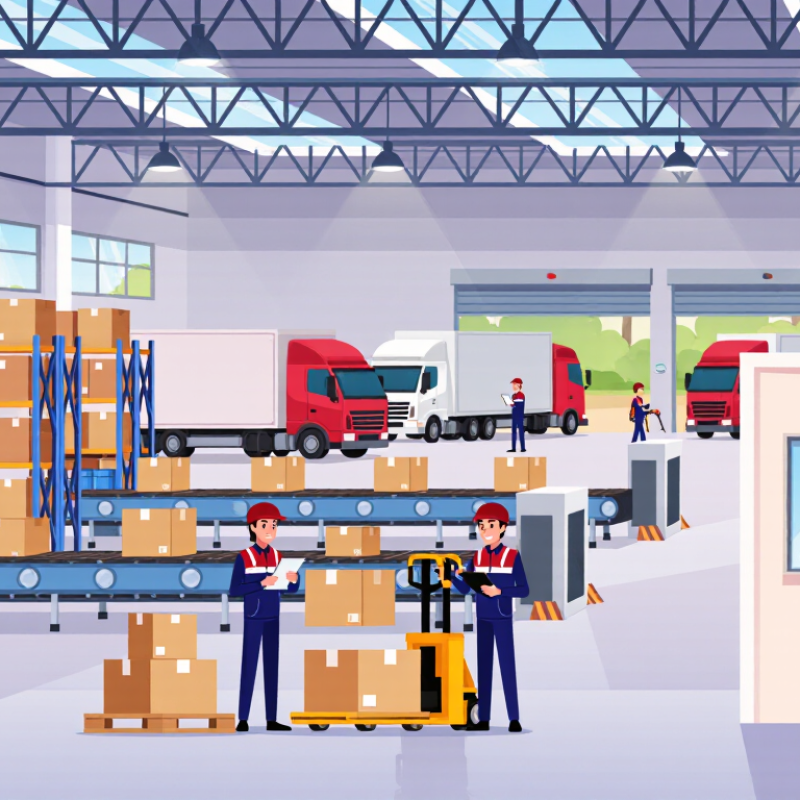
A third-party logistics (3PL) provider manages selected supply-chain tasks for another company. Its work often begins when cartons arrive at an inbound dock. Staff check quantities, inspect visible damage, and record each item in a warehouse system. Accurate receiving matters because one wrong scan can create shortages later. The provider then stores products in assigned locations, using labels, shelves, temperature controls, or secure access procedures when needed.
Order fulfillment
Order fulfillment is another central function. When an order enters the system, warehouse workers pick the correct items, verify them, pack them, and prepare shipping documents. Some providers also manage transportation planning. They compare delivery options, schedule pickups, track shipments, and respond when a vehicle arrives late. Clear status updates help businesses adjust customer messages before frustration grows. Returns may follow a separate process, including inspection, sorting, restocking, or approved disposal.
Inventory control and performance reporting
A capable 3PL provider also supports inventory control and performance reporting. Regular cycle counts can reveal misplaced stock before a full warehouse audit. Reports may show order accuracy, storage use, delivery time, and return rates. These figures support practical decisions, not just attractive dashboards. Technology helps, but it cannot repair unclear instructions or careless handling. The arrangement is not flawless. Data delays, vague responsibilities, and rushed seasonal hiring can still cause mistakes. Companies should review service records, communication habits, and escalation procedures before transferring critical operations.
Common Third-Party Logistics Models and Solutions
What Is Third-Party Logistics and How Does It Work?
Third-party logistics uses an external specialist to manage warehousing, transportation, fulfillment, or returns. Common models include transactional, dedicated contract logistics, and lead logistics provider arrangements. In a transactional model, a shipper buys separate services, such as pallet storage or regional delivery. Dedicated contract logistics assigns facilities, workers, and transport capacity to one client. A lead logistics provider coordinates several logistics partners through one control structure.
E-commerce operations often combine these models. Inventory arrives at a fulfillment center, receives a barcode, and moves into a storage location. After an order is placed, workers pick the item, check its condition, pack it, and hand it to a carrier.
88%
The 2023 Third-Party Logistics Study found that 88% of shippers reported improved logistics services through 3PL relationships.
2.3 trillion dollars
The 2024 State of Logistics Report estimated United States business logistics costs at 2.3 trillion dollars in 2023, equal to 8.7% of economic output.
The figure matters. It shows that outsourcing is not only about reducing headcount.
That pressure encourages companies to use shared warehouses, route optimization, and real-time inventory systems. Yet no model is automatically efficient. A low-cost warehouse far from customers may increase delivery distance and damage service levels. Data can also mislead. A dashboard showing 98% order accuracy may exclude late scans or customer returns. Experienced teams should test service definitions, audit invoices, and review exception cases every month.
The uncomfortable lesson is simple: technology coordinates work, but careful operating judgment still controls the result.
Benefits, Risks, and Selection Factors for 3PL Services
Third-party logistics services manage warehousing, transportation, order fulfillment, and returns for another company. A 3PL may receive cartons, scan inventory, pick orders, and arrange final delivery. It can also connect warehouse data with an online sales system. The 2024 State of Logistics Report valued United States business logistics costs at $2.58 trillion in 2023, or 9.1% of economic output. That scale explains why outsourcing can release capital and internal management time. The trade-off is real.
The 2023 27th Annual Third-Party Logistics Study found that 88% of shippers viewed 3PLs as improving logistics effectiveness. It also reported that 73% saw lower overall logistics costs. However, savings can disappear through storage minimums, fuel adjustments, handling charges, or poorly defined returns. Ask for a complete rate card. Require inventory accuracy, order-cutoff, damage, and delivery targets in the service agreement. Review insurance coverage, data controls, contingency capacity, and subcontractor practices. Request evidence from comparable operations, not attractive promises.
Pilot before scaling. Test one product group or shipping region for eight to twelve weeks. Measure stock accuracy, late orders, claims, response time, and total cost per shipment. A dashboard may look healthy while customers still receive incomplete packages. That uncomfortable gap deserves investigation. Selection should also consider warehouse location, seasonal labor, integration quality, sustainability reporting, and exit procedures. No partner removes every risk. A clear exit plan may protect the business better than a slightly cheaper quote.
What Is Third-Party Logistics and How Does It Work?
Third-party logistics providers manage activities such as transportation, warehousing, inventory, and order administration on behalf of other businesses. The chart shows the estimated structure of U.S. business logistics costs in 2022. Outsourcing selected activities to a 3PL can improve scalability and operational expertise, but companies should also assess pricing transparency, technology integration, service reliability, data security, and contract flexibility.
Source: CSCMP, 34th Annual State of Logistics Report. Values are rounded estimates in billions of U.S. dollars.