Skip to content

What Are the Top 10 Warehousing and Logistics Companies?

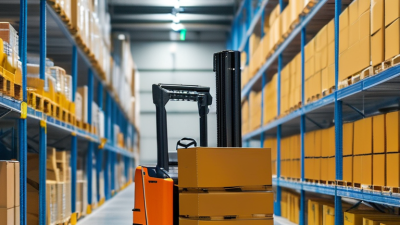
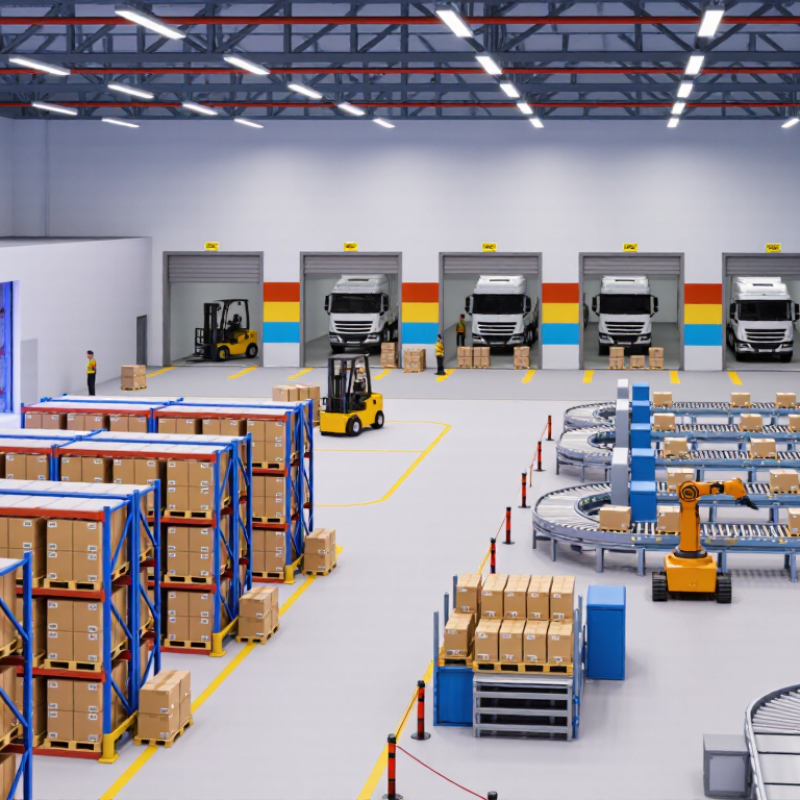
Choosing the top 10 warehousing and logistics companies requires more than comparing revenue figures. A warehouse may appear efficient, yet delayed picking or poor inventory visibility can quickly affect customers. The best providers combine dependable storage, accurate fulfillment, transportation coordination, and responsive support. Their facilities may include barcode scanning, automated sorting, temperature-controlled zones, and clearly marked loading bays. Small details matter. A misplaced carton can create hours of rework.

This outline examines leading companies through practical and measurable criteria. These include geographic coverage, warehouse capacity, technology investment, delivery performance, pricing transparency, and industry expertise. It also considers how each provider handles seasonal demand, fragile goods, returns, and supply chain disruptions. Public rankings are useful, but they are not perfect. A company with impressive global coverage may not serve every region equally well. Some performance data may also come from corporate reports rather than independent audits. That deserves careful attention.

Readers should compare service quality with their actual operating needs. A retailer may value same-day fulfillment, while a manufacturer may prioritize storage control and scheduled freight. Reliable providers explain their processes clearly and set realistic expectations. They also protect inventory through documented procedures, staff training, and suitable security measures. Sustainability claims should be supported by specific actions, such as energy-efficient facilities or reduced packaging waste. No single company fits every business.

The following analysis presents ten influential providers and explains where each may perform best. It also recognizes limitations, because strong reputations can hide uneven customer experiences.
What Are the Top 10 Warehousing and Logistics Companies?

Defining Warehousing and Logistics Companies

Warehousing and logistics companies manage the movement and temporary storage of goods between producers and customers. A warehouse is more than a building with shelves: staff receive shipments, record inventory, pick orders, pack items, and prepare them for dispatch. Logistics extends beyond the building. It coordinates transport, delivery schedules, inventory visibility, and sometimes returns. The boundary can blur. A company may offer both services, while another handles only storage or transport.

Scale matters. The Council of Supply Chain Management Professionals reported that U.S. business logistics costs reached $2.3 trillion in 2023, equal to 8.7% of gross domestic product. That figure helps explain why careful coordination matters: a late pallet can leave a loading bay idle, while inaccurate stock records can delay an entire order. Still, size alone does not define a capable provider. The right fit depends on product handling needs, order volume, location, service expectations, and how clearly performance is measured.

Technology is changing these operations, but software is not a substitute for sound processes. The 2024 MHI Annual Industry Report found that 55% of surveyed supply chain professionals planned to increase investment in supply chain technology. Useful tools can track stock and flag delays. Yet messy data stays messy. When assessing a provider, ask how it counts inventory, handles peak-season congestion, and reports missed delivery targets. These questions are practical, though sometimes uncomfortable.

What Are the Top 10 Warehousing and Logistics Companies?

Defining Warehousing and Logistics Companies: Standard Container Capacity

Warehousing and logistics companies store, handle, and transport goods. Container capacity is one practical measure of the equipment used in freight transport. The figures shown are approximate nominal internal volumes; actual usable capacity varies by container design.

Key Criteria for Ranking the Top 10 Companies

What Are the Top 10 Warehousing and Logistics Companies?

Key Criteria for Ranking the Top 10 Companies

A credible ranking should compare companies using consistent, verifiable measures. Network coverage matters: assess warehouse locations, transport links, and service availability in the regions a business needs. Capacity alone is not enough. A large facility may still create delays if inventory systems are outdated or staffing is stretched.

Reliability deserves close attention. Review on-time delivery rates, order accuracy, damage claims, and how clearly performance data is reported. Technology can help teams track stock and respond to disruptions, but software promises are not proof of good service. Ask for recent examples, such as how a provider handled a late shipment or a sudden demand spike. Costs should also be compared carefully, including storage, handling, and extra service fees. Rankings can be imperfect when companies report different metrics, so note where evidence is limited.

Tips: Request references from customers with similar shipment volumes and product needs. Check sample reports, service-level terms, and escalation procedures before comparing quotes. Small details matter: a clear contact person can save hours when a pallet is delayed. Don’t rely on glossy presentations alone.

Profiles of the Top 10 Warehousing and Logistics Companies

These profiles compare ten leading logistics models by reach, handling expertise, and operational fit, rather than by brand name.

A global parcel operator connects regional hubs through scheduled air and road routes. Its strength is predictable movement; peak-season delays can still strain capacity.

A contract logistics provider manages warehouses and distribution for clients. Look for clear service metrics, not just a large facility.

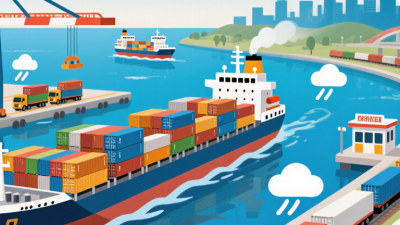
A port-linked freight forwarder coordinates ocean shipments, customs paperwork, and inland transport. Timing depends on several handoffs.

A cold-chain specialist monitors temperature-sensitive goods with calibrated sensors and documented checks. Small monitoring gaps matter.

An e-commerce fulfillment provider handles individual orders, packing, and returns at high volume. Fast dispatch is useful, but inventory accuracy deserves equal attention.

A regional warehouse and trucking operator can offer closer coordination and shorter delivery routes. Its network may be less extensive.

An intermodal provider combines rail, road, and other transport modes to balance cost and transit time.

An industrial logistics firm stores bulky parts and schedules deliveries to production sites.

A reverse-logistics provider inspects, sorts, and routes returned products.

A data-focused third-party logistics provider connects inventory records with warehouse activity.

These descriptions are not a fixed ranking: performance varies by location, shipment type, and season. I would verify claims against service records and site-level procedures, because polished dashboards do not always reveal a bottleneck at the loading dock.

Services, Technologies, and Global Markets They Serve

The leading ten warehousing and logistics companies typically combine storage, transportation, and order fulfillment, but their service mixes differ. Some manage palletized goods in regional distribution centers. Others specialize in temperature-controlled storage, cross-border freight, or parcel delivery. A useful comparison looks beyond facility size. It asks how well each provider handles inventory accuracy, delivery windows, and seasonal demand.

Technology shapes daily operations. Warehouse management systems track stock by location, while barcode scanners and radio-frequency identification help workers confirm movements. Transport platforms can show shipment status and flag delays before a delivery appointment is missed. Automated conveyors or sorting equipment may speed up high-volume facilities, though they need skilled oversight and maintenance. Technology is not a cure-all. Poor data still creates poor decisions.

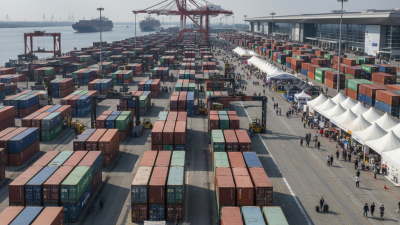
Their markets span retail, manufacturing, food distribution, healthcare, and online commerce. A provider serving several continents may offer customs coordination and a broad transport network, while a regional operator may know local roads and customer requirements better. Companies should examine service coverage, reporting practices, security controls, and contingency plans before choosing a partner. One detail is easy to overlook: a warehouse near a major port can still face congestion, labor shortages, or weather disruptions. No network is frictionless.

Comparing Their Strengths, Scale, and Industry Impact

The top ten warehousing and logistics companies are best compared by reach, capacity, and operational fit, not by revenue alone. Large networks can move freight across continents, while regional specialists may offer faster, more attentive service. Scale matters. The 2024 State of Logistics Report, published by the Council of Supply Chain Management Professionals, estimated U.S. business logistics costs at $2.3 trillion in 2023, or 8.7% of GDP. That figure shows why efficiency matters, but it does not reveal whether a provider handles a specific customer’s peak-season demands well.

Warehousing strength is visible in practical details: available pallet positions, inventory accuracy, dock-to-stock time, and the distance between storage and key markets. Logistics providers also differ in transport coverage, customs expertise, and their ability to connect warehouse data with shipment tracking. The 2024 MHI Annual Industry Report found that 55% of surveyed supply-chain professionals planned to increase investment in technology. Automation can improve throughput, but it cannot fix poor data or unclear handoffs. A polished dashboard is not the same as reliable delivery.

Industry impact also depends on resilience. The World Bank’s Logistics Performance Index 2023 evaluates countries across customs, infrastructure, shipment arrangements, service quality, tracking, and timeliness. These measures help explain why a provider’s global footprint can be valuable, yet they are country-level indicators, not company scores. Rankings therefore need context. A company with fewer facilities may outperform a giant in a particular lane, and the available public data rarely captures that nuance.

What Are the Top 10 Warehousing and Logistics Companies? - Comparing Their Strengths, Scale, and Industry Impact

Anonymized comparison based on publicly reported FY2023 figures. Revenue is shown in each operator’s reporting currency and is not directly comparable across currencies or business mixes; network descriptions are summarized from public company reporting.

Profile FY2023 reported revenue Network scale and reach Key strengths Industry impact
Operator 1 €81.8 billion Operations in more than 220 countries and territories; substantial express, freight, and contract-logistics networks. International express delivery, customs expertise, and integrated contract logistics. Connects businesses to international markets and supports cross-border parcel and freight flows.
Operator 2 US$90.96 billion Global parcel and freight network serving more than 200 countries and territories. Dense parcel delivery infrastructure, time-definite services, and integrated air and ground operations. A major provider of business-to-business and residential parcel delivery at global scale.
Operator 3 US$90.16 billion Extensive air and ground networks connecting more than 200 countries and territories. Express air delivery, parcel sorting, and time-sensitive freight services. Supports rapid movement of documents, parcels, and high-priority shipments across regions.
Operator 4 CHF 23.8 billion Freight-forwarding and contract-logistics presence spanning more than 100 countries. Ocean and air freight forwarding, customs services, and supply-chain coordination. Helps coordinate international trade through multimodal transport and logistics management.
Operator 5 DKK 150.8 billion International freight network covering more than 80 countries, with road, air, and sea services. Asset-light forwarding model, customs handling, and end-to-end transport solutions. Provides flexible transport capacity and global forwarding services for supply chains of varied sizes.
Operator 6 €19.1 billion Large European and international freight-forwarding, contract-logistics, and land-transport operations. Road freight, air and ocean forwarding, and complex industrial supply chains. Supports manufacturing and retail flows through broad multimodal logistics capabilities.
Operator 7 US$9.8 billion Contract-logistics facilities and operations across the Americas, Europe, and Asia-Pacific. Third-party warehousing, fulfillment, reverse logistics, and supply-chain technology. Enables companies to outsource warehouse operations and scale fulfillment capacity.
Operator 8 US$17.6 billion Broad North American freight brokerage network with international forwarding services. Freight matching, transportation management, and supply-chain data services. Connects shippers with carrier capacity and provides visibility into freight movements.
Operator 9 ¥2.2 trillion Extensive domestic Japanese transport and logistics operations, alongside international freight services. Domestic distribution, international forwarding, and logistics solutions for industrial customers. Provides a major logistics backbone for domestic commerce and Japan-linked international trade.
Operator 10 US$51.1 billion Global ocean-shipping network with port, inland-transport, and logistics services. Container shipping, integrated logistics, and coordination of port-to-door cargo flows. A significant participant in global container trade and integrated end-to-end supply chains.

Note: Revenue figures are rounded FY2023 reported amounts. Operators are anonymized; profiles are not ranked by revenue because currencies, reporting periods, and business definitions differ.

“Guardian has been a tremendous help in providing storage and distribution solutions for AIR Global. We came to Guardian with a need, and they quickly found a solution for us at a very reasonable price. Our business is very demanding, especially during busy periods, and Guardian has been flexible and able to accommodate all requests with less than 48 hours’ notice. April, our main contact, has been extremely helpful in making sure our orders are shipped on time and that our inventory is accurate. I highly recommend using Guardian and look forward to continuing our relationship for many years to come.”

Matt Buffington
Director of Supply and Operations
Americas

“The Guardian Logistics Team is responsive and helpful on a consistent basis.  This removes a tremendous amount of stress and gives us incentive to route cargo that will touch your dock. Thanks for all that you do!!!”

Charles Reel
Branch Manager
Scan Global Logistics

“I recommend with great confidence, Guardian Logistics Solutions and owner, Brent Smith to whomever needs top shelf deliveries including Last Mile, White Glove, Residential and Commercial.

I have known GLS since its inception. Guardian is always looking for the right answer to solve the customer’s problem. I can, without hesitation, recommend Guardian Logistics to any company that is looking for the best service in their coverage area. They will team with you to create a solution that suits your needs and ensure you are satisfied with the outcome.”

Steven T. Nelson

“I highly recommend Guardian Logistics Solutions. The professionalism and communications offered by the team, along with speediness, cost saving solutions and attitude is a testament to the fact that this is one of the most important partners you can have in the freight movement business.

The company offers exemplary service, they continuously exceed our expectations and that of the importers, they help us service, Guardian Logistics Solutions is the best solid business partner you should add to your company.”

Ubaldo Sierra
Maersk Customs Brokers
General Manager

“Guardian Logistic Solutions is one of those rare companies who under-promise-and-over-deliver EVERY single time!”

James Burke
Manager, Sales Team
OLIMP Warehousing

“I want to thank the team at Guardian for the excellent service we have received.
The shipments have been professionally handled and freight arrives timely and in good order at a fair price. Communication is a very important part of the handling and Guardian does a great job of communication through the delivery.”

Cheri Zetrouer
Access Worldwide
Customs Brokers & Freight Forwarders

“I am very lucky to have found Guardian Logistics to help with our freight needs.  Our business is a bit unique in that we only receive a shipment every 2-3 months and we have to stick to a very strict time schedule in order to unload the delivery.  We found it virtually impossible to consistently coordinate with logistics companies to have shipments arrive on time and when they were expected. After multiple frustrating scenarios, our broker introduced us to Guardian Logistics who handled all of our shipments recently to perfection. Our shipments have arrived on time, when expected, with friendly and helpful drivers.  We will only be using Guardian moving forward for all of our shipping and freight needs. I couldn’t recommend them strongly enough!”

Trey Conrad
Owner
Patriot Power Source

“We have been working with the Guardian company for several years now and I can say without a doubt that their entire team cares about the service they provide. Their personal interest in their customers’ success makes them a standout in the world of final mile delivery.

I highly recommend Guardian for anyone requiring outstanding services in warehousing and final mile delivery programs.”

Frank Ianucilli
Director of Final Mile Operations
Werner Enterprises

“At WeFixFreight.com, client satisfaction is our main priority.  We are proud to partner with the top notch team at Guardian to bring our customers nothing but the best service when it comes to freight reworks, cross docking services, and final mile delivery.”

Bill Carlin
CEO
WeFixFreight.Com

“The Guardian Logistics staff has always been exceptional, and these days, with all the competition out there, it’s the service that matters. We appreciate all they do and look forward to continuing our business with GLS.”

Cathy Avolio
Ocean Import Manager
Mallory Alexander Int'l Logistics (NY), LLC
Back To Top