Why Is Transportation Logistics Important for Global Buyers?
For global buyers, transportation logistics is more than moving cartons from a factory to a warehouse. It connects sourcing decisions with delivery reliability, inventory control, and customer trust. At a receiving dock, one missed sailing can leave pallets idle, production lines waiting, and cash tied up for weeks. Small delays become expensive when schedules are tightly connected.
UNCTAD’s Review of Maritime Transport reports that about 80% of global merchandise trade by volume travels by sea. This figure explains why port capacity, vessel schedules, and inland connections matter to buyers worldwide. The World Bank’s Logistics Performance Index 2023 also shows uneven performance in customs, infrastructure, tracking, and shipment timeliness across economies. A buyer may therefore compare suppliers carefully, yet still face delays after production ends. Reliable transportation logistics requires route planning, carrier verification, accurate documentation, and realistic delivery buffers.
The data is useful, but not perfect. Industry reports usually describe national or global averages, not one buyer’s shipment. Weather, port congestion, equipment shortages, and sudden demand changes can quickly alter those averages. That uncertainty deserves attention. Experienced procurement teams often monitor booking confirmations, container milestones, transshipment points, and warehouse appointment times. They also test backup routes before a disruption occurs. The best logistics decision is rarely the cheapest freight quote. It balances landed cost, transit risk, service visibility, and recovery options. For global buyers, this practical balance can protect margins while supporting consistent customer delivery.
What Transportation Logistics Means in Global Trade
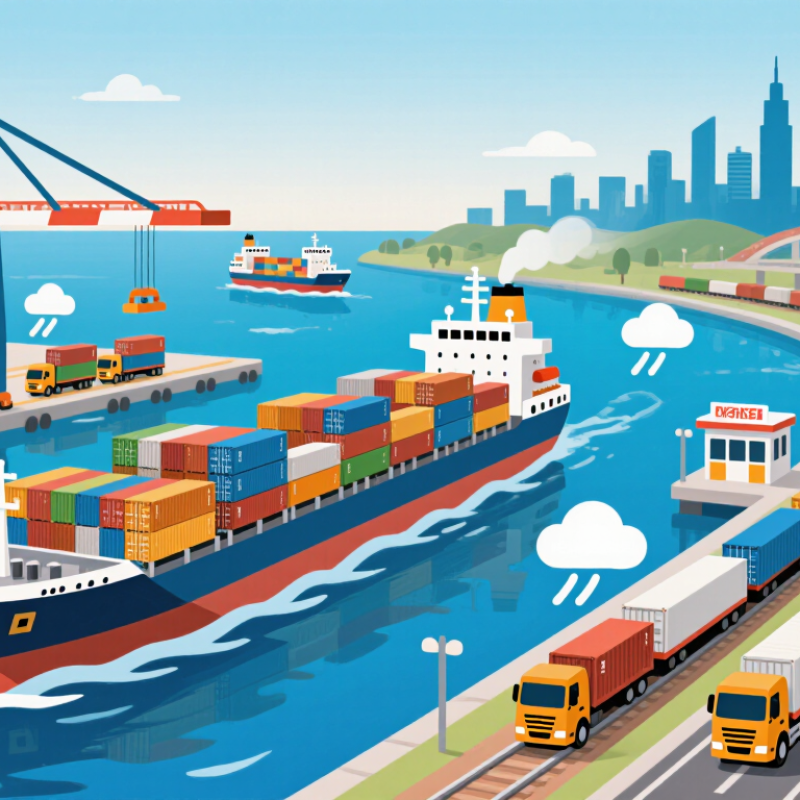
Transportation logistics means planning how goods move from a supplier to a global buyer. It covers transport modes, loading points, delivery schedules, documents, insurance, and cargo tracking. A shipment may travel by truck, vessel, rail, or aircraft before reaching a warehouse. Each transfer creates another chance for delay or damage.
For global buyers, logistics is not only about moving boxes. It connects purchasing decisions with inventory, cash flow, and customer promises. For example, a buyer importing temperature-sensitive food may need insulated packaging, monitored storage, and fast customs preparation. A small document error can hold a container at port for several days. From practical experience, detailed planning reduces these risks, but it cannot remove every surprise. Weather changes, port congestion, and inaccurate delivery estimates still happen. Sometimes, the original plan is too optimistic.
Tips: Confirm product dimensions and packaging before booking transport. Compare delivery time with total cost, not freight price alone. Ask for milestone updates at pickup, departure, arrival, and final delivery. Keep backup dates. They matter. Review past shipment data regularly, because repeated delays may reveal weak suppliers, poor packing, or unrealistic schedules. A reliable logistics process also assigns clear responsibility for documents, inspections, storage, and delivery changes. Clear communication helps, although teams sometimes overlook one small update.
How Logistics Connects International Buyers and Suppliers
Why Is Transportation Logistics Important for Global Buyers?
How Logistics Connects International Buyers and Suppliers
Transportation logistics turns a distant supplier into a reachable business partner. A buyer may approve product samples online, but delivery depends on many physical steps. Cargo must leave the factory, reach the port, clear customs, and arrive at the agreed warehouse. Each handoff needs accurate information.
A reliable logistics plan connects both sides through shared milestones. Suppliers can confirm packing dates and export documents. Buyers can track vessel schedules, inspection results, and estimated arrival times. This visibility supports better inventory decisions. It also reduces avoidable surprises, such as a missing invoice or incorrect package dimensions.
Small details matter. A warehouse team may measure cartons before loading. A logistics coordinator may compare the packing list with the purchase order. These checks seem ordinary. They protect time and money. In my experience, regular communication often solves problems faster than complicated software. One clear message can prevent a shipment from waiting several days.
Still, logistics is not perfectly predictable. Weather, port congestion, and document errors can change a delivery plan. Buyers should allow practical time buffers instead of trusting the earliest estimate. Suppliers also need to report delays honestly, even when the news is uncomfortable. Trust grows through accurate updates, not optimistic promises.
International logistics also requires knowledge of transport rules, product requirements, insurance terms, and import procedures. Qualified professionals can review these details before cargo moves. That early review helps buyers and suppliers work from the same expectations, across different languages, time zones, and business customs.
How Customs, Regulations, and Documentation Affect Global Shipping
Why Is Transportation Logistics Important for Global Buyers?
Customs, regulations, and documentation can determine whether cargo moves smoothly or waits for days. A missing HS code, incorrect country of origin, or vague product description may trigger inspection. One incorrect commercial invoice can delay delivery, increase storage fees, and disrupt production schedules. In practice, the problem often starts before the container reaches the port.
The World Bank’s Logistics Performance Index 2023 identifies customs efficiency as a major factor in supply-chain reliability. Its findings show that leading logistics systems clear shipments far faster than weaker performers. The World Trade Organization estimated that full implementation of its Trade Facilitation Agreement could reduce global trade costs by an average of 14.3%. That difference matters to global buyers managing narrow margins. Maritime shipping still carries about 80% of global merchandise trade by volume, according to UNCTAD’s Review of Maritime Transport 2023. A small documentation error can therefore affect long-distance networks quickly.
Tips: Build a document checklist for every shipment. Confirm HS codes, origin rules, licenses, invoice values, and packing details before dispatch. Ask suppliers to share draft documents early. Digital records help, but they are not automatically accurate. Even experienced teams miss changes in local regulations. We should review assumptions, not simply trust last year’s paperwork. A compliant shipment is not guaranteed by confidence; it is supported by current evidence, careful checking, and clear communication.
Why Is Transportation Logistics Important for Global Buyers?
How Customs, Regulations, and Documentation Affect Global Shipping
The World Bank’s 2023 Logistics Performance Index uses a 1–5 scale to evaluate key areas of international logistics. Customs procedures, infrastructure, shipment organization, tracking, and delivery timeliness directly influence landed cost, transit reliability, and inventory planning for global buyers. Accurate documentation helps reduce clearance delays, while clear regulations improve shipment predictability.
Source: World Bank, Logistics Performance Index 2023. Scores shown are global component averages on a 1–5 scale.
How Technology Improves Visibility Across the Supply Chain
Global buyers depend on transportation logistics to move products across oceans, borders, warehouses, and final-mile networks. Technology now makes each handoff easier to observe. A digital logistics platform can combine shipment scans, GPS signals, warehouse updates, and carrier messages in one view. Buyers can see where a container was checked, when it left a terminal, and whether its estimated arrival has changed.
This visibility supports better decisions. If a shipment slows near a congested port, purchasing teams can adjust production schedules before materials run out. Temperature sensors can report unsafe changes during sensitive cargo movement. Automated alerts can also identify missing documents, unusual delays, or unexpected route changes. These details reduce guesswork. They also create a clearer record for communication between suppliers, transport providers, and buyers.
Still, visibility is not perfection. Data may arrive late, contain errors, or disappear when a device loses connection. A dashboard can look precise while showing an outdated location. Experienced logistics teams therefore compare system alerts with warehouse calls, driver updates, and confirmed delivery records. Human judgment remains necessary. Clear data standards also help different partners share accurate information without confusion. When technology and practical experience work together, global buyers gain stronger control over timing, inventory, and customer commitments.